A $500m deal: why WeChat creator bought a stake in Kaspi

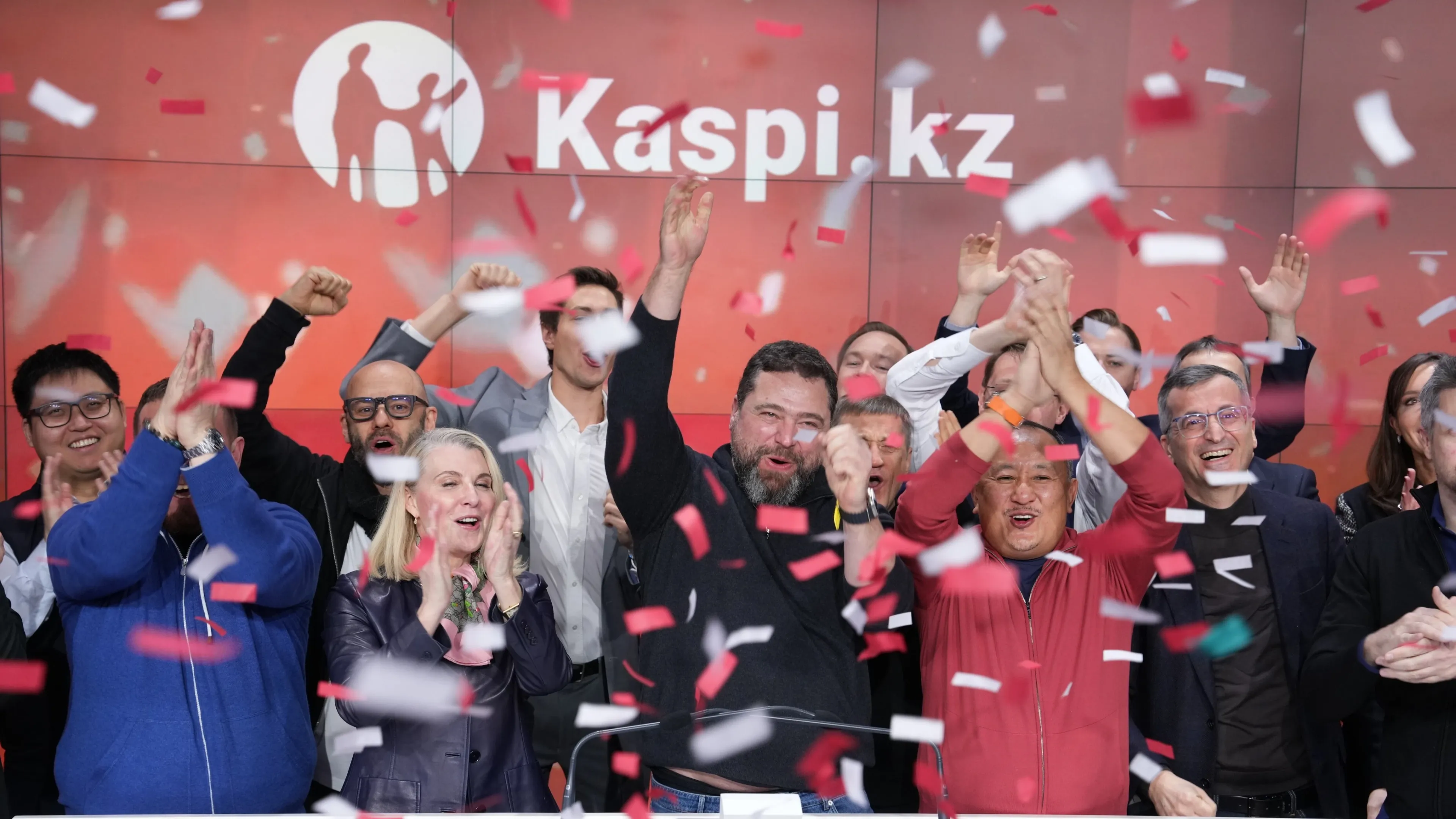
Access to Tencent's technology could help Kaspi implement AI into its superapp faster/ Photo: Shutterstock
Kaspi co-founder and CEO Mikhail Lomtadze said that Tencent - a technology IT giant from China and pioneer of the super app business model - is now among "the largest shareholders of Kaspi.kz".
Tencent has joined the pool of investors who bought a stake of 6 million American Depositary Shares (ADS) in Kaspi from Baring Fintech Venture, representing about 3.2% of the company's total shares. The buyers also include Kaspi's management, fintech fund Spice Expeditions and endowments from Washington University and the University of Wisconsin.
"The phrase 'one of the largest shareholders' means that Tencent is in the top 5 among institutional investors, excluding management," David Ferguson, head of investor relations at Kaspi, explained to Oninvest.
Prior to the transaction, the company had 199.5 million common shares outstanding, of which Baring Funds held 22.3%, Mikhail Lomtadze 23.04% and Vyacheslav Kim 20.75%.
The amount of the deal was not disclosed. Based on the Nasdaq pre-market quotations on Monday evening (about $85 per ADS), the deal could be worth about $510 mln, excluding possible discounts or premiums. Ferguson confirmed to Oninvest that "this estimate is correct based on the quotes".
What this means for Kaspi
At this stage, it is more of a financial investment from Tencent than a strategic investment, David Ferguson admits. But he hopes that "things could change over time" as investors are "impressed with Kaspi's business model, management and growth prospects in both Kazakhstan and Turkey".
Freedom Finance Global analyst Daniyar Orazbayev believes that Tencent's entry into Kaspi's capital will give the Kazakh company access to technology and expertise in monetizing "superapps." "Given Tencent's investment in artificial intelligence, this can probably help Kaspi to implement AI in its superapp faster. Also, Tencent has experience in scaling in emerging markets, which could help Kaspi grow its business in Turkey," Orazbayev notes. According to the J.P.Morgan report, Kaspi.kz expects adjusted consolidated EBITDA growth of 5% in fiscal 2026, up from 20% in 2025. The slowdown is partly due to the inclusion in last year's reporting of the results of Hepsiburada, a Turkish e-commerce platform acquired from Rabobank with an 86% stake.
Kaspi.kz is developing a super-application model that combines various digital services on one platform. The ecosystem serves more than 25 million users and 900,000 merchants in Kazakhstan and Turkey.
Why Tencent is investing in Kaspi
Tencent Investment Holding is one of the world's largest providers of digital, marketing, communications, fintech and business services. It owns Tencent QQ and WeChat, the most widespread messengers in China, as well as Qzone, the world's third largest social network by number of users. In December 2025, Tencent's assets were valued at 2.04 trillion yuan ($299 billion at current exchange rates). The company's market capitalization is more than $600 billion.
This is not the first time Tencent has invested in a company based in Central Asia. In particular, in Uzbekistan, it has already entered the capital of the largest local digital ecosystem Uzum. In 2025, they participated in a round of about $70 million, and in 2026 - in a strategic round of over $130 million, recalls Munir Yakubov, founder and CEO of Portfolio investments. He believes that we can talk about Tencent's consistent strategy of building a presence in Central Asia through investments in leading digital platforms," and the deal with Kaspi looks like a logical step in the further development of their digital ecosystem.
This article was AI-translated and verified by a human editor