A war in Iran could give rise to a "petro-juan," Deutsche Bank said. This is a threat to the dollar
The blocking of the Strait of Hormuz and Tehran's new conditions for Tehran to pay for oil in Chinese currency could disrupt U.S. financial dominance

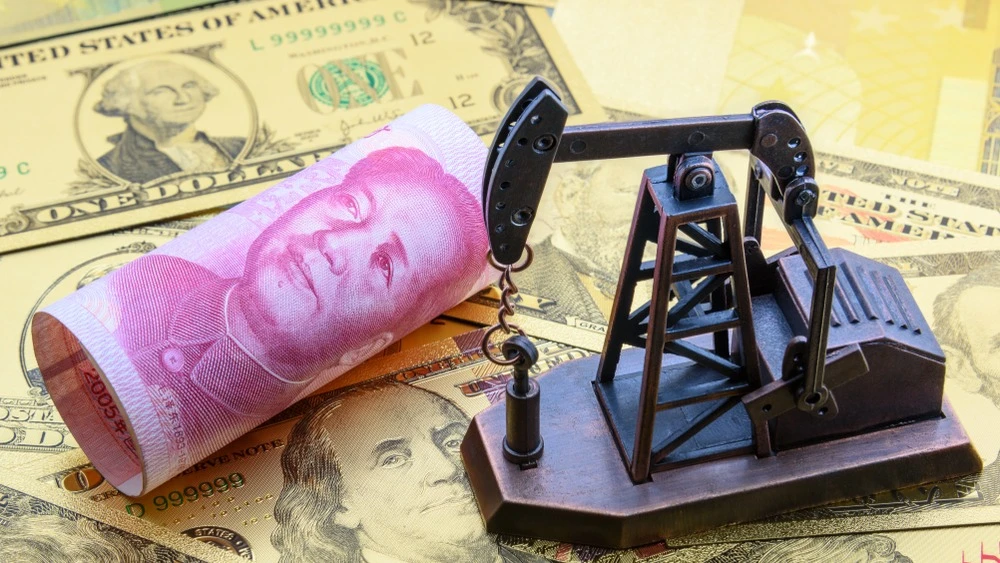
The U.S. war with Iran calls into question the dollar's role as the main currency in the global oil trade. Photo: William Potter/Shutterstock
The U.S. war with Iran calls into question the role of the dollar as the main currency in the global oil trade, according to strategists at Deutsche Bank. In their opinion, one of the long-term consequences of this conflict may be the transition to a more active use of the Chinese yuan, Bloomberg writes.
Details
Further weakening of the "petrodollar" system could lead to serious consequences for the use of the dollar in global trade and savings, as well as for its role as a global reserve currency, said Deutsche Bank strategist Mallika Sachdeva. At the same time, China has stepped up efforts to promote the yuan, challenging the dominance of the U.S. currency in global finance, Bloomberg reports.
"The conflict [in Iran] could be a catalyst for the erosion of petrodollar dominance and usher in the era of the petro-yuan," Sachdeva noted. She cited media reports, including CNN, that Iran is allowing ships to pass through the Strait of Hormuz on condition that oil is paid for in yuan. China, Iran's longtime partner, is also the largest buyer of Iranian oil.
How the "petrodollar" came to be
The "petrodollar" system came into being around 1974, when Saudi Arabia agreed to set oil prices in dollars and invest the surplus in U.S. assets in exchange for security guarantees from Washington, Bloomberg writes. Since then, however, the situation has changed: Saudi Arabia now sells four times more oil to China than it sends to the U.S., and Gulf countries have begun actively testing mechanisms for non-dollar payments.
The key tool here is the mBridge blockchain platform. China is the main driver of this project, using it to promote the digital yuan as a direct competitor to the dollar in energy payments and international trade.
The petrodollar system is now under pressure on three main fronts: the U.S. becoming a net energy exporter (the country is no longer dependent on Gulf supplies), the gradual erosion of dollar settlements in trade with China and Russia, and a sharp decline in confidence in Washington's guarantees amid the current war, specifies Reuters editor Mike Dolan. Former Goldman Sachs economist Jim O'Neil noted that the conflict is pushing countries in the region to work more closely with China and India, as the alliance with the United States no longer guarantees security and the economic opportunities of a growing Asia become more attractive.
This article was AI-translated and verified by a human editor