AI will make the rich even richer, says BlackRock CEO. How not to be left behind?
Larry Fink warns: the old model of economics is no longer working for most, and the technology boom risks making the gulf between rich and poor insurmountable
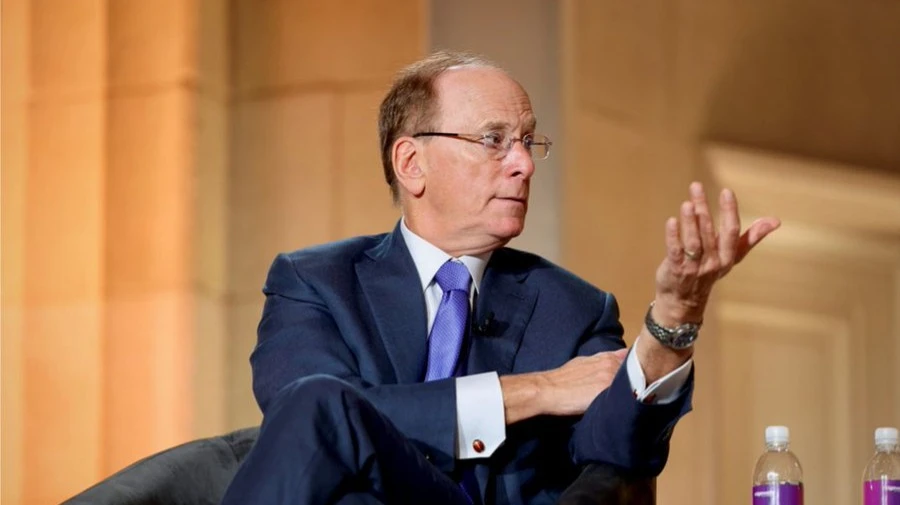
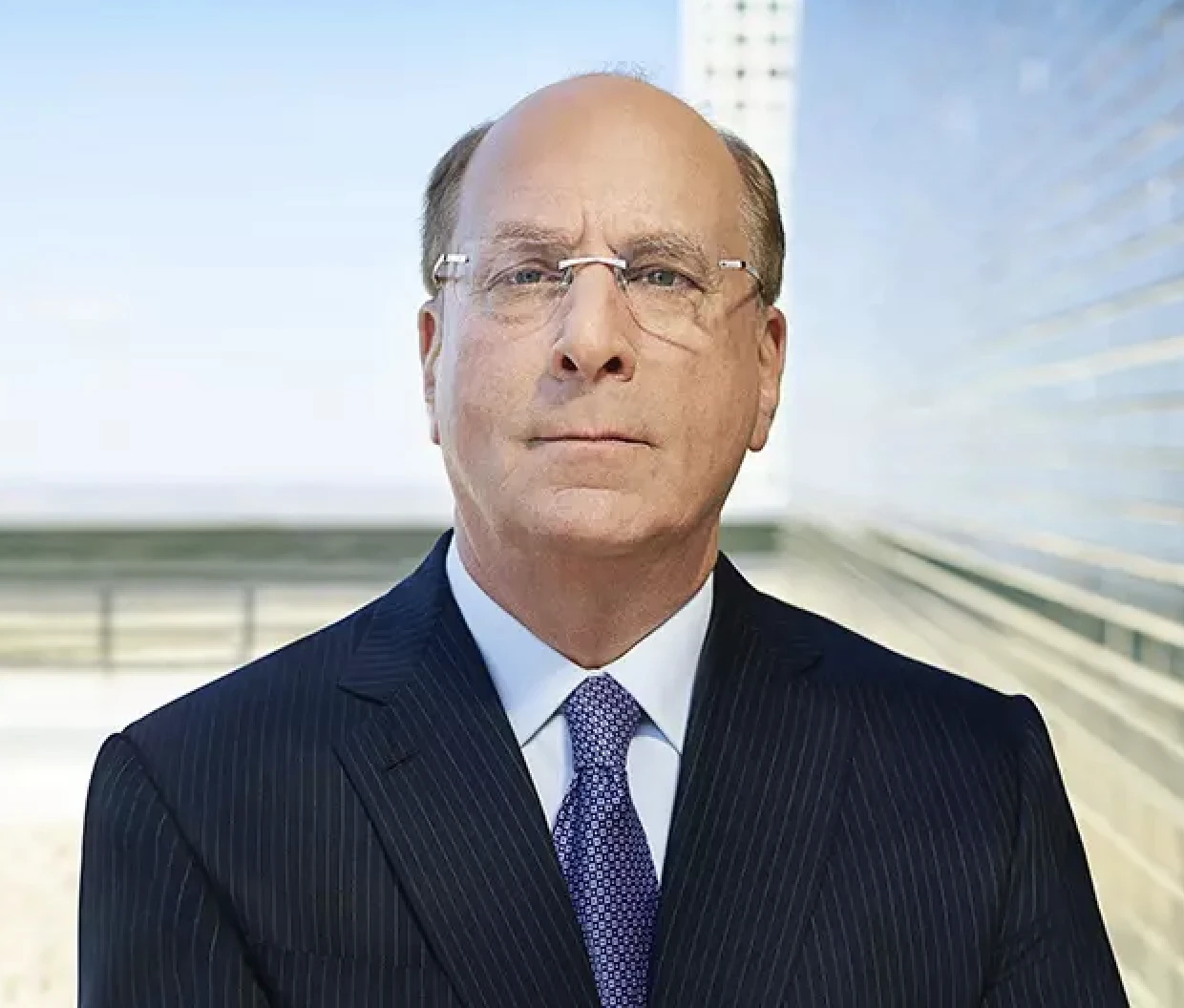
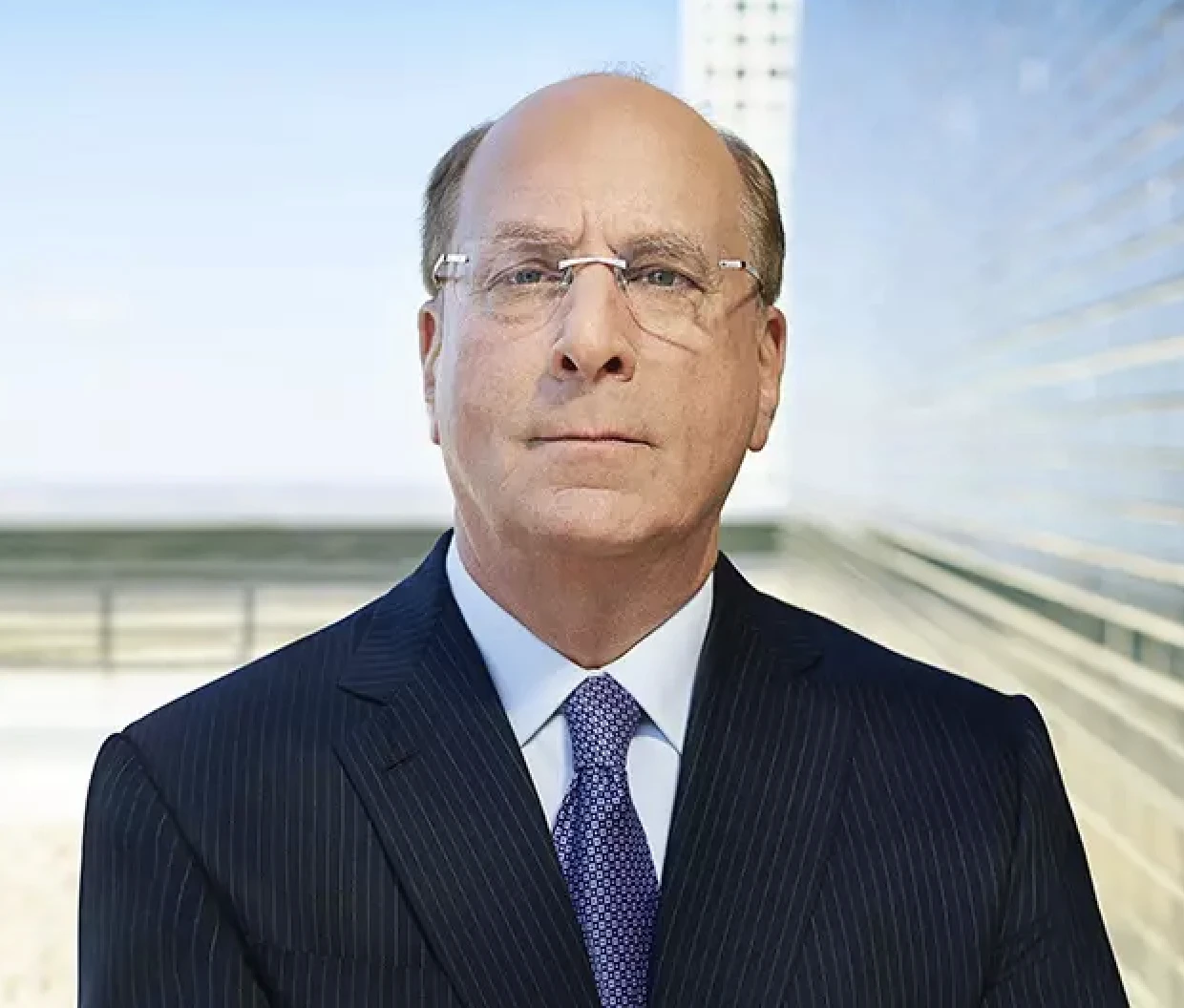
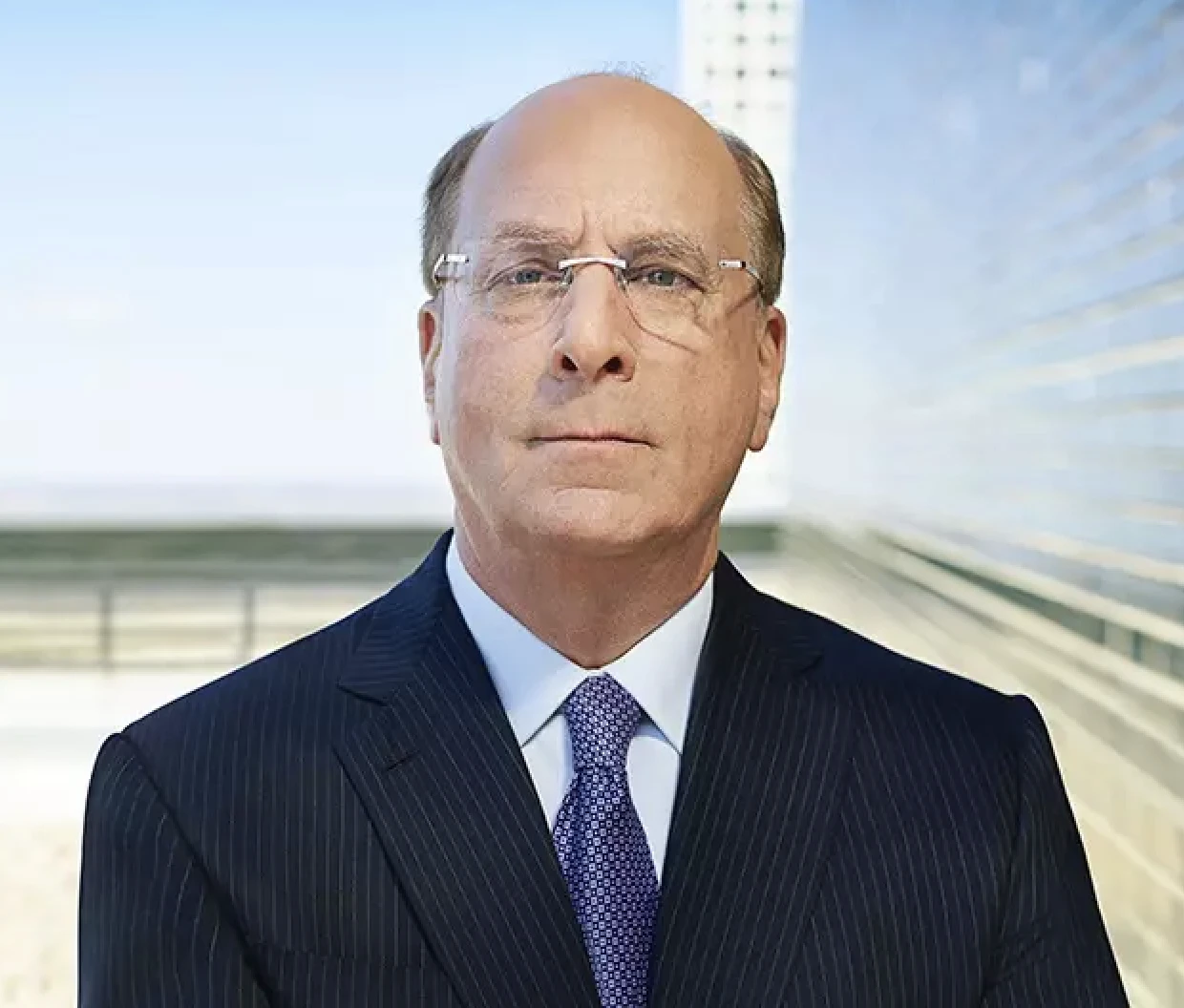
Photo: X / BlackRock
For decades, most of the wealth has flowed to those who own assets, not to those who rely only on their hard-earned money, Larry Fink points out in his annual letter to investors. With the advent of artificial intelligence, the gap between the two risks becoming an unbridgeable chasm, he believes.
"Since 1989, a dollar invested in the U.S. stock market has grown more than 15 times the dollar pegged to the median wage. Now AI threatens to repeat this pattern on an even larger scale, concentrating wealth with those companies and investors best poised to capitalize on it. This is where much of today's economic anxiety comes from: from a deeper sense that capitalism is working - just not to the benefit of enough people"
The "single asset" trap
Today, those who live from paycheck to paycheck and have no access to capital markets risk being permanently marginalized from economic growth, Fink says. The problem of wealth concentration is exacerbated by the fact that the main investment instrument of the middle class - their own home - has ceased to fulfill its historical role. While a house used to be a reliable savings, today, according to the head of BlackRock, such an investment is turning into a financial trap. Rising property taxes, insurance and maintenance costs make the long-term returns on housing much more modest and uneven than the media headlines suggest.
Frank emphasizes that dependence on a single asset, which is acquired later and later from the beginning of a career, creates a sense of economic alienation in people: trust in capitalism collapses.
"If you no longer believe that work is the path to success, believe you can't afford housing, or think that even if you can, it won't help create significant wealth, then the economy doesn't seem to be working in your favor. No country can prosper if that is how its citizens perceive things to be. Many ideas have been proposed on how to deal with this. But if wealth is increasingly created in capital markets, part of the answer is to get more people into them"
According to Fink, solving the problem requires a structural shift: you need to bring people into investments so they can participate in the already economic growth directly through their portfolios, rather than just watching from the sidelines.
"Civic Miracle."
The problem of property inequality left over from the previous era of global capitalism can be solved by getting people more involved in investing, says Fink. He notes that billions of people are now watching the economy grow from the sidelines: they are putting their savings in low-yielding bank accounts instead of taking advantage of the asset growth around them. Fink cites many people's lack of basic financial backing as a barrier to investing.
"It's impossible to invest if you're not sure you'll be able to pay next month's rent, buy groceries next week or cover an unexpected bill. So you need to help people build basic financial resilience as a starting point"
However, even with a financial foundation in place, investors face an illiterate approach to investing: the danger, according to Fink, is that investors are too focused on information noise and trying to guess the best time to buy or sell an asset and forgetting what really matters.
"Over the long haul, staying in the market was far more important than getting the timing of a trade right. Over the past two decades, every dollar invested in the S&P 500 has risen more than eight times. Miss just ten of the best days and you would have gotten less than half that return. And some of the strongest days in the market have come during periods of the most disturbing headlines"
Fink calls long-term investing a "civic miracle": people's savings finance the development of his country's economy. He cites his parents as an example: His father owned a small shoe store and his Ma taught English. They did not have a large fortune, but they tried to save and invest. As a result, their capital grew along with the American economy. It is this scenario - where private capital grows through long-term participation in a country's economy - that remains Fink's main reason for optimism in an era of global uncertainty and the AI boom.
This article was AI-translated and verified by a human editor