Airlines in the U.S. have sharply increased prices because of war and oil. Whose business is more protected?
TD Cowen analysts have lowered earnings forecasts for several major airlines

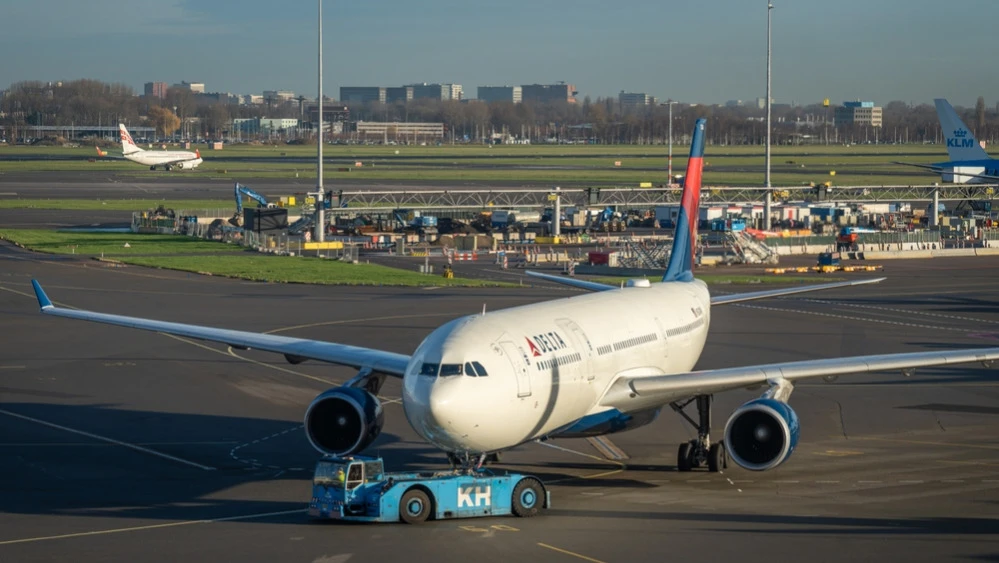
Major carriers, including Delta Air Lines, have seen domestic flight prices for advance bookings increase by 15-57% / Photo: Milos Ruzicka / Shutterstock.com
The U.S. war with Iran is testing the limits to which airlines can raise ticket prices without undermining demand, The Wall Street Journal reports. Fares have already risen due to a sharp increase in the cost of jet fuel, with the largest - United Airlines and Delta Air Lines - adding 60% to their prices in some cases. But the fuel crisis will not hit all companies equally, analysts said.
Details
Among the nine major U.S. airlines, Spirit Airlines showed the sharpest increase in fares over the week: tickets for domestic flights more than doubled in price 21 days before departure, analysts at Deutsche Bank found, their note quotes WSJ. Other major carriers, including United Airlines and Delta Air Lines, saw prices for domestic flights with advance booking rise by 15-57%, the bank calculated.
Among domestic destinations, flights across the country rose in price the most, according to a Deutsche Bank report. The price of a one-way ticket booked more than three weeks before departure more than doubled compared to the previous week.
One of the reasons for the increase in fares is the skyrocketing oil prices, which forced airlines to urgently raise the cost of flights. "When prices rise so fast, airfares also become more expensive. But they also go down, by the way, when fuel gets cheaper again," United Airlines CEO Scott Kirby told the WSJ. - That's what happens all the time."
What the analysts are saying
As airline executives and analysts point out, flight prices do not only depend on the dynamics of the cost of oil. They are also influenced by demand on specific routes and the general state of the economy, WSJ writes.
Rising fuel prices will not hit all airlines equally. Carriers that have invested in more fuel-efficient aircraft, including United and Delta, may get some protection, according to Henry Harteveldt, founder of Atmosphere Research Group, a consulting firm, WSJ. And airlines that continue to rely on older or less fuel-efficient airliners risk being hit harder.
Analysts at TD Cowen have lowered earnings forecasts for several major airlines and warned that carriers could revise their own guidance as early as next week. Shares of major U.S. airlines have fallen 10-20% since the Iran war began.
If consumers start postponing or canceling trips, airlines will be forced to cut prices, the WSJ said. But analysts and industry executives disagree on how sustainable demand will be once the U.S. goes to war with Iran, the newspaper notes. "Airlines realize that if they raise fares too high, they will lose more sales than they will gain [from higher prices]," Harteveldt said.
According to the analyst, some travelers will postpone foreign vacations or instead choose domestic flights, which bring airlines less revenue. But another part of passengers will still go on trips that they had planned in advance.
What the airlines are saying
Spirit, a spokesperson told the WSJ, continues to see steady demand and a strong pace of bookings for the spring break period, and expects most seats on flights in late March and early April to be filled.
On March 10, United recorded a record day in booking revenue. "It used to be that events like Iran really hit demand," said Kirby, United's chief executive. - The world has changed. People don't react as acutely anymore."
This article was AI-translated and verified by a human editor