Amazon opened up its logistics network to other companies. Shares of competitors collapsed
FedEx quotes fell by 9%, UPS - by 10.5%

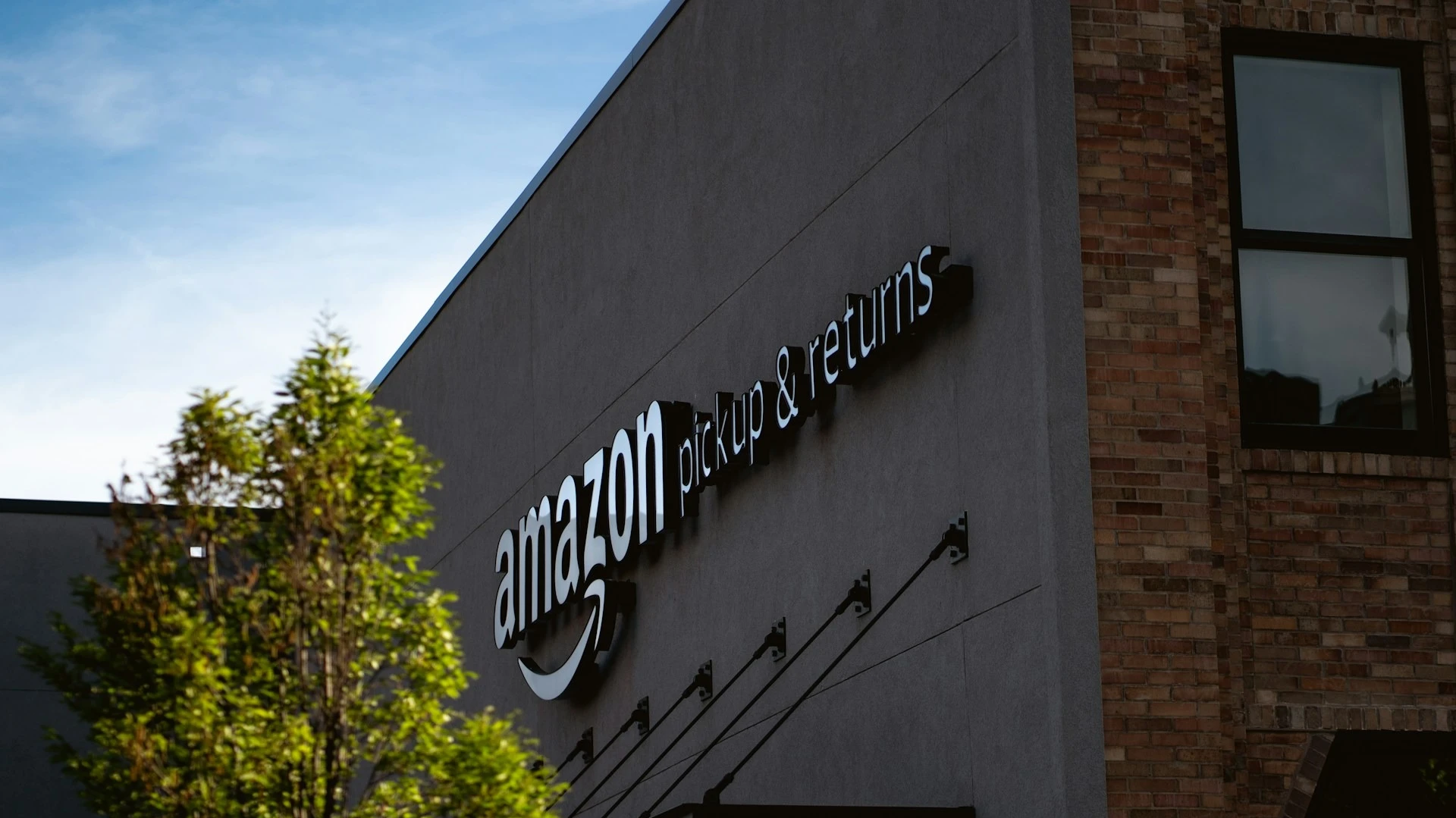
Amazon has opened its logistics network to third-party companies. Market analysts believe that this may disrupt the established pattern of logistics in the United States / Photo: unsplash.com / Brian Angelo
Amazon announced the opening of its logistics network to third-party companies: they will be able to store, transport and deliver goods through the facilities of the world's largest online retailer. This brought down shares in the US transportation sector: the securities of such giants as FedEx and UPS fell sharply.
Details
Amazon on Monday, Ma. 4, announced the launch of Amazon Supply Chain Services, opening up its logistics infrastructure to external customers. Partner companies will be able to use Amazon's transportation network - sea, air, rail and road - to transport and store their goods.
The platform has more than 100 cargo planes, over 80,000 trailers and 24,000 containers at its disposal, as well as an extensive network of warehouses and sorting centers. Companies will have access to storing, packing and delivering parcels to customers across all of Amazon's sales channels: through its own website, social media and physical stores. The company has already announced that the service has been used by household products companies Procter & Gamble and 3M, as well as clothing manufacturers American Eagle and Lands' End.
What this means for the market
Shares of U.S. trucking giants FedEx and UPS fell by 9.1% and 10.5% in trading on Monday after Amazon's announcement. Shares of logistics company GXO Logistics plummeted by 17.7%, while Forward Air dropped by 24%. Shares of Amazon were growing by 2.9% at the moment, and ended the day in the plus by 1.4%.
The opening of Amazon's network may become "a turning point for freight transportation companies in North America," said Morgan Stanley analyst Ravi Shanker, quoted by Bloomberg. Air cargo carriers and courier services will be the hardest hit, but road carriers, railroad and marine companies, as well as warehouse operators will also be at risk, Shanker believes.
Amazon's actions are an attempt to turn logistics from a cost item into an infrastructure product, said Parth Talsania, head of Equisights Research, as quoted by Reuters. For competitors, this is a "structural warning", especially in the e-shopping segment, where the corporation already has advantages in data volume and delivery speed, Talsania added.
Amazon has been moving to open up its logistics capabilities for several years, and "going to market with a single, comprehensive offering threatens to disrupt the established pattern of U.S. logistics," Bloomberg quoted Nate Skyver, founder of consulting firm LPF Spend Management, as saying.
What's up with Amazon stock
Since the beginning of the year, Amazon securities have grown by 17.9%. The stock has an average target price of $307.6, implying a potential upside of 3% from the closing level on Ma 4.
The vast majority of market analysts tracking Amazon's securities recommend buying them: 67 of 73 give a Buy and Underweight rating, with the remaining six analysts taking a neutral stance with a Hold rating, MarketWatch shows.
This article was AI-translated and verified by a human editor