An island of strategic importance: how an American company is developing Greenland

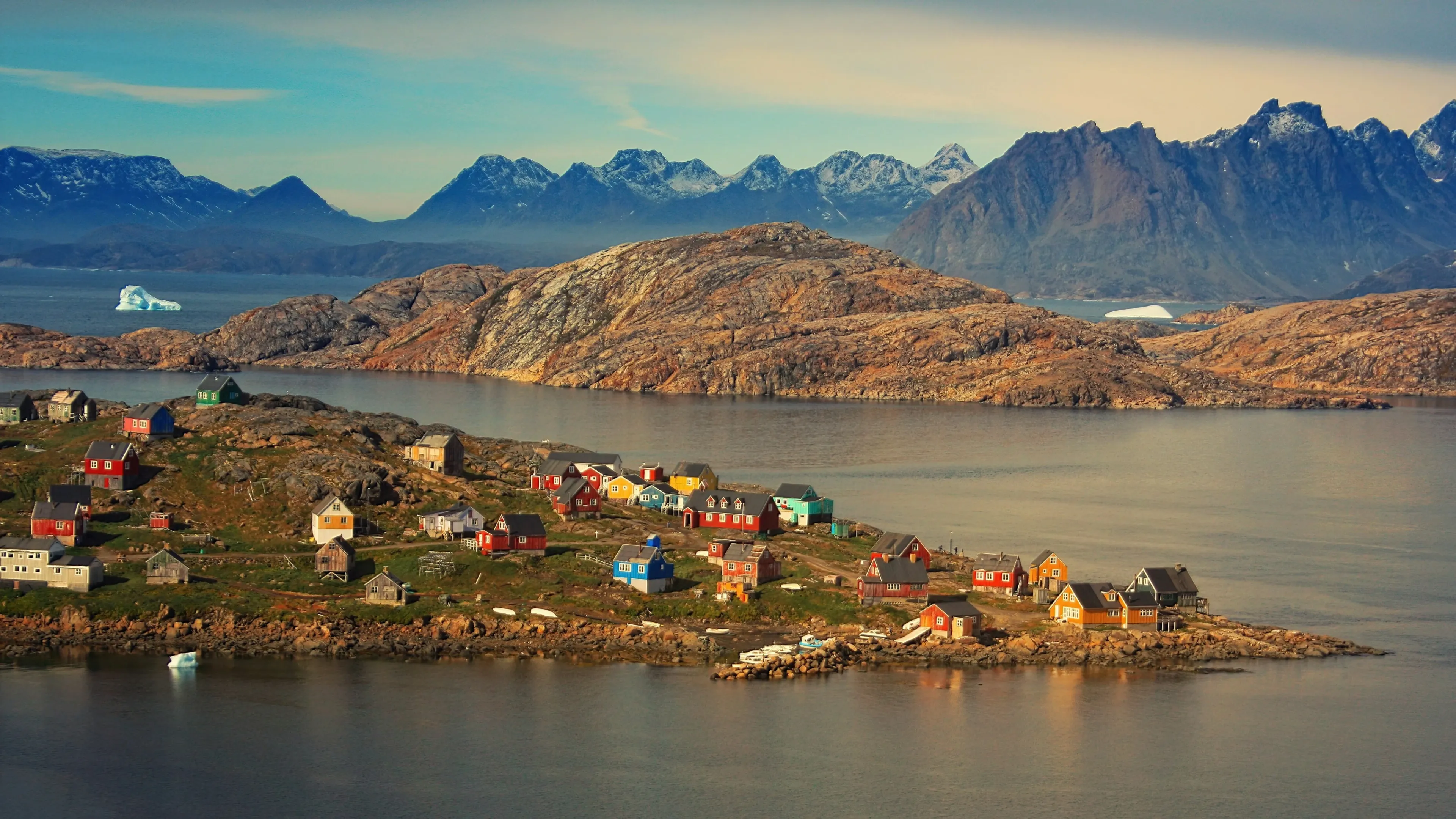
According to the U.S. Geological Survey, the island's reserves of rare earth metals amount to 1.5 million tons - almost as much as in the U.S. itself (1.8 million). Photo: Johannes Plenio / Unsplash.com
On January 17, U.S. President Donald Trump announced that from February 1, the United States would impose 10% duties against countries that oppose the sale of Greenland to the United States. In response, the EU is considering activation of the coercive instrument, which the EU has never used in its history, including limiting access to the European market. President Trump says that control over Greenland is a matter of national security, and if the United States does not get the island, China or Russia will take control of it. Freedom Broker analyst Vitaly Kononov tells us what is important for investors in this story.
Rare earth metals as the main trigger of interest in Greenland
Greenland is one of the most strategically important and underdeveloped resource regions in the world, with oil reserves estimated at 17-31 billion barrels. However, these estimates are inaccurate, and the full volume of hydrocarbons is almost impossible to estimate, as most of the minerals are located outside the Arctic zone. Rare earth metal reserves on the island are slightly less than in the United States - 1.5 million tons. There is graphite, niobium, titanium, as well as uranium and thorium, which are key components for the energy transition, high-tech and defense industries. Rare earth metals, in particular, are a key driver of geopolitical interest in Greenland.
Tanbreez is coming out of scouting
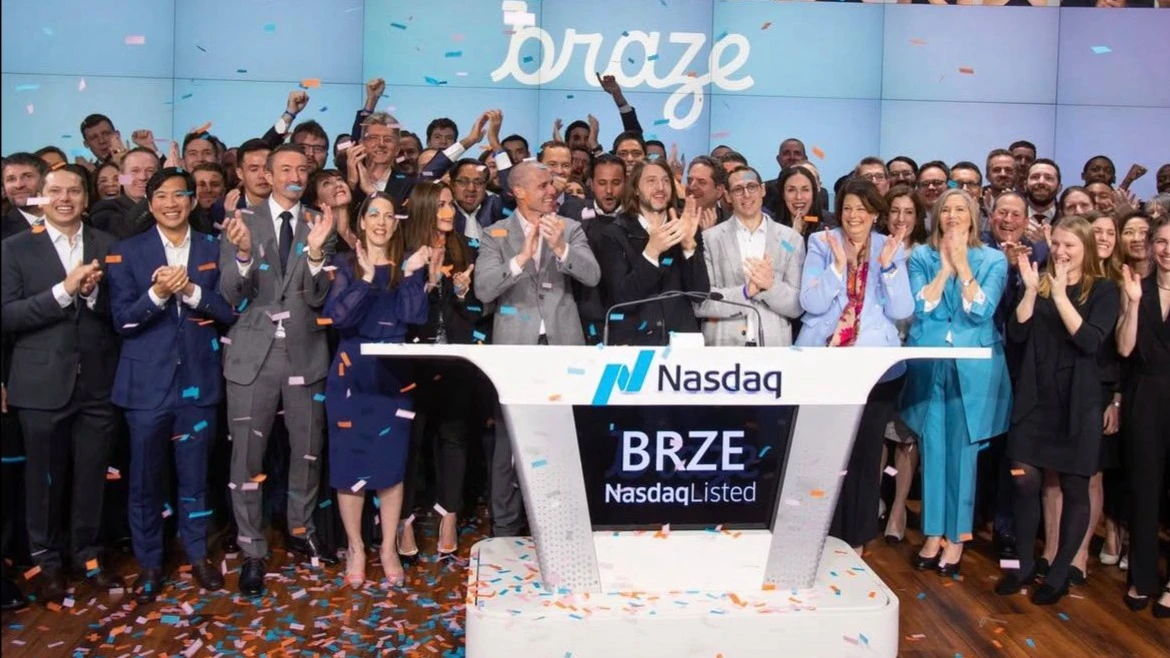
On January 7, US-based Critical Metals officially announced the start of construction of its Greenland project, which was a key operational trigger and reduced implementation stage risks. The company said last week that initial drilling results from the Tanbreez deposit in Greenland confirmed stable rare earth and strategic metal reserves. The deposit is located near an area through which ships travel year-round - shipping lanes pass through deep-water fjords leading directly into the North Atlantic. We spoke with Tony Sage, CEO of Critical Metals Corp. He confirmed the high strategic interest from the US in Greenland's rare earth projects, particularly political support for the development of non-Chinese supply chains. According to him, the company's current focus has shifted from exploration risk to the realization and infrastructure preparation phase, which fundamentally differentiates the Tanbreez project from most early REE stories in the market.
Key facts about the project: - One of the world's largest REE (Rare Earth Elements) projects: resource base is ~44.9 million tons - Long-term license: the operating license was issued by the Greenland government and is valid until 2050 - Strong project economics: Preliminary assessment (PEA)suggests its estimated pre-tax value (NPV) is around $3 billion with an expected return (IRR) of ~180% and a payback period of less than 3 years - over a 25+ year production horizon - Low capital costs: total CAPEX is estimated at around $300 million, which differentiates Tanbreez from most comparable REE projects
The company also announced this week that it plans to form a joint venture with Saudi Arabia and build a $1.5 billion rare-earth minerals processing plant in that country. A quarter of the rare-earth concentrate from the Greenland deposit will go there. Since the beginning of the year, the company's shares have risen 154%.
This article was AI-translated and verified by a human editor