Anthropic has filed a lawsuit against the U.S. Department of Defense. The dispute with the authorities has made the AI startup popular
Anthropic says it is limiting the use of its technology given the potential for AI errors

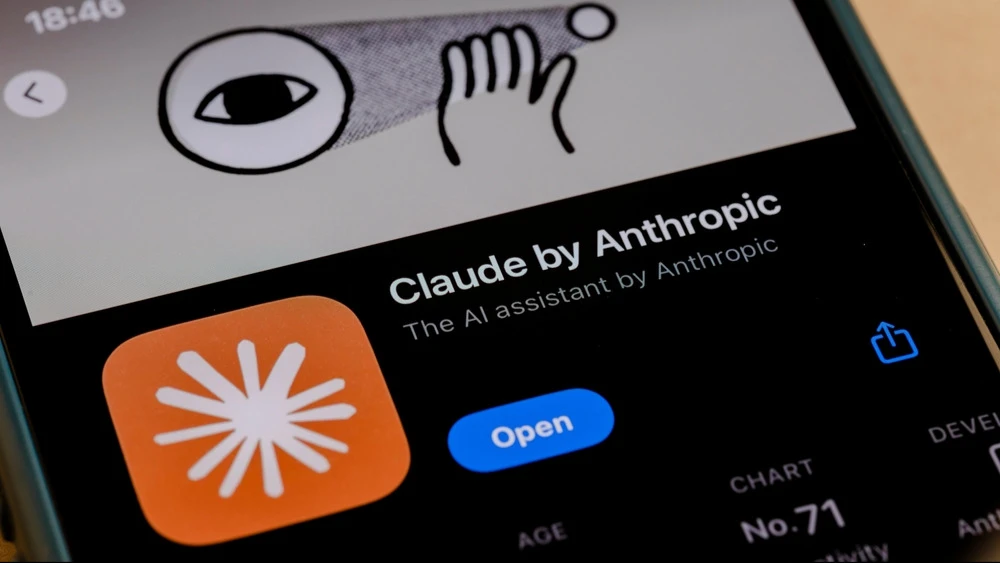
Anthropic says the Pentagon's decision to recognize the AI startup as a "supply chain risk" is an attack on free speech / Photo: Photo For Everything / Shutterstock.com
AI startup Anthropic has filed a lawsuit against the U.S. Department of Defense in an attempt to challenge the department's decision to deem the company a "supply chain risk." The department and President Donald Trump have personally criticized the company, a contractor for the agency, for restrictions on the use of its AI, which include, for example, prohibiting it from being used to spy on citizens and control weapons. Because Anthropic did not compromise, the White House banned the startup from participating in any further deliveries to companies working with the U.S. government.
Details
Anthropic challenged the decision by the Department of Defense (renamed the Department of War by President Donald Trump) and other federal agencies to switch to other vendors' AI products based on the startup's "supply chain risk" status. Such a measure, which is typically applied to companies from countries the U.S. considers its adversaries, Bloomberg explained, Anthropic is demanding that the court revoke that status and order federal agencies to withdraw the directives associated with it. The company argues that it is being penalized for disagreeing with the White House and the Pentagon, and says the legal guidelines in question affect any federal contractor whose views are disliked by the government.
"These actions are unprecedented and illegal," reads the lawsuit filed Monday in federal court in San Francisco. The case, Anthropic v. U.S. Department of War, No. 26-cv-01996, will be heard by the U.S. District Court for the Northern District of California. "The Constitution does not allow the government to use its vast power to punish a company for its constitutionally protected speech," the company said, making a reference to the First Amendment of the U.S. Constitution.
According to the lawsuit, the government's actions "cause Anthropic irreparable harm," call into question the company's contracts with private clients and could "jeopardize hundreds of millions of dollars in revenue in the short term." In the lawsuit, Anthropic says it imposed "usage restrictions" on the chatbot based on Claude's "unique understanding of the risks and limitations of Claude, including the model's ability to err."
In the lawsuit, the company named the War Department and more than a dozen other federal agencies as defendants. The ministry did not respond to Bloomberg's request for comment on the lawsuit.
What happened
The conflict erupted last month after the Pentagon demanded the right to use Claude for any lawful purpose - without restrictions from Anthropic. The company insisted the chatbot should not be used for mass surveillance of Americans or in a fully autonomous weapon.
In response, Secretary of War Pete Hegseth on February 27 ordered that Pentagon contractors and their partners be barred from doing any business with Anthropic. On the same day, President Trump criticized Anthropic on the social networking site Truth Social, saying that "the left-wing lunatics at Anthropic made a catastrophic mistake trying to pressure the Department of War." Trump has banned U.S. federal agencies from using Anthropic's technology and software.
Anthropic CEO Dario Amodei responded that the government's actions "have no legal basis" and left the company with "little choice but to challenge them in court." Amid Anthropic's problems, OpenAI, the creator of chatbot ChatGPT and a competitor of Anthropic, entered into a contract with the US government. This sparked criticism of OpenAI, after which Anthropic's AI assistant app Claude rose to the top of the rankings in the App Store.
The case goes far beyond the usual contract dispute and poses a risk to free speech, said Jennifer Huddleston, a senior fellow at the Cato Institute. "The designation itself and attempts to blacklist the company for other areas of cooperation with the government go far beyond what would be considered the least restrictive measure, even if there are concerns about the safety of continued use of the product," she told Bloomberg.
This article was AI-translated and verified by a human editor