Apple broke the stereotype of low returns on "everyone's favorite" stock. What is the threat?
According to a new study, companies with the worst reputations are bypassing the market while leaders are making losses

Apple has broken the stereotype of poor returns on popular stocks / Photo: Unsplash/Zhiyue
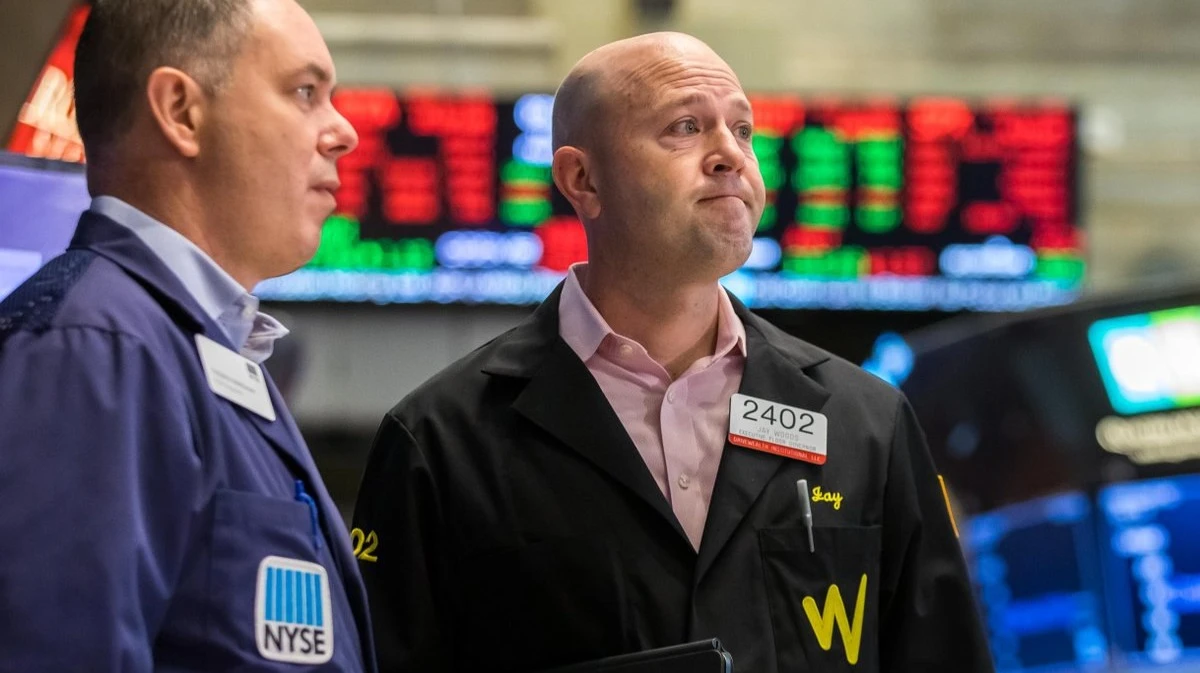
The fresh "World's Most Admired Companies" ranking by Fortune magazine, traditionally considered a list of the business elite, may serve as a warning signal for shareholders, according to a study by analysts published in the Journal of Corporate Finance. Historical data and recent market dynamics confirm a paradoxical conclusion: high brand reputation often correlates with low long-term stock returns.
However, there's one company that this rule doesn't work with: Apple has topped Fortune's list for 19 consecutive years, and over that period its stock has far outperformed the U.S. market average.
Details
In the study, analysts draw a parallel between the corporate world and publicist and lecturer Ralph Keyes' sociological study "Is There Life After High School?". As with high school "stars" whose success often fades after graduation, reputation leaders show an inverse relationship between current recognition and future performance, MarketWatch reports.
Last year's statistics clearly confirm this trend, as the top 15 of the Fortune 2025 list on average showed returns below the S&P 500 index, while the "outcast" companies with the worst reputation according to Axios Harris (creator of the 100 most recognizable brands in the U.S.) significantly outperformed the market in terms of growth, the publication points out.
The only stable exception remains Apple, which has topped Fortune's rankings for 19 consecutive years while consistently outperforming the market, MarketWatch emphasizes. However, analysts warn: Apple is a "survivor's error," not a market standard.
The study revealed a dangerous pattern: as soon as the head of a company acquires the status of a "superstar", its quotations begin a rapid decline. On average, the securities of such companies lose up to 60% of their value within three years after the peak of the CEO's media fame.
This is due to the so-called "reputation tax," when instead of operational management, directors start writing books, serving on third-party boards and appearing on TV more often, MarketWatch explains. Researchers ironically note that as CEOs become more popular, their golf scores statistically improve, directly indicating a reallocation of work time in favor of leisure. In addition, maximum optimism is already built into the share price of such companies, which limits the potential for further growth.
What the market thinks of Apple
Apple shares in 2026 so far show negative dynamics: they have fallen in price by 2.7% since the beginning of January. Analysts remain predominantly optimistic about the prospects of the company's securities. They have a total of 33 recommendations to buy (ratings Buy and Overweight) out of 52 in total, and a month ago there were two less. Another 17 analysts advise to hold (Hold), two - to sell (Sell). Over the past three months, the stock has had two more Hold recommendations and two fewer Sell recommendations.
The average target price is $298. This implies a growth of about 13% compared to the current quotations.
This article was AI-translated and verified by a human editor