Apple is considering producing chips at Intel and Samsung factories. Is this a threat to TSMC?
On the news about negotiations with Apple, the decline in Intel's quotations was replaced by growth

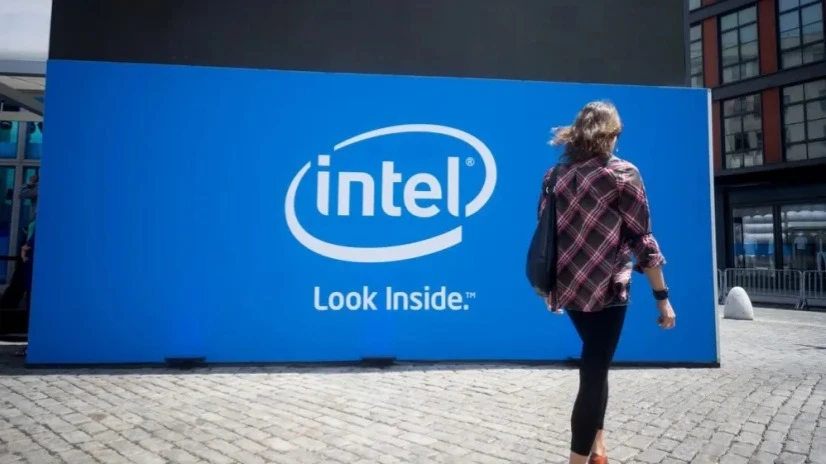
Intel shares jumped after reports of possible orders to produce chips for Apple / Photo: rblfmr / Shutterstock.com
Apple has discussed the possibility of producing the main processors for its devices at Intel and Samsung's U.S. factories to find an alternative to longtime partner TSMC, Bloomberg has learned. Attracting such a customer would be a huge success for Intel. Samsung, which is struggling to keep up with TSMC, would also benefit greatly from recognition from the iPhone maker, despite direct competition with it in the smartphone market, the agency points out.
Details
According to Bloomberg sources, Apple has held preliminarytalks with Intel about producing chips at its facilities. In addition, its executives visited the Samsung plant under construction in Texas, where advanced processors will also be produced.
However, so far these discussions have not led to real orders. According to the agency's interlocutors, Apple is afraid of using technologies different from those offered by the largest contract semiconductor manufacturer, TSMC, and may end up rejecting new partners. Representatives of Apple, Intel, Samsung and TSMC declined to comment.
Apple has been developing processors for its devices for more than 10 years and relies on TSMC to produce them. But the chip shortage, caused by a boom in the construction of data centers for AI and high demand for Mac computers, is forcing the U.S. company to seek new suppliers. Last week, CEO Tim Cook acknowledged that component shortages are holding back sales growth and depriving the supply chain of its usual flexibility.
What this means for Intel and Samsung
It is extremely difficult to find a reliable alternative to TSMC, as Intel and Samsung cannot provide a comparable scale of contract manufacturing, Bloomberg writes. Apple and Intel have a long history of cooperation: the latter supplied processors for Macs until 2020. For the new head of Intel Lip-Bu Tan, the search for orders for chips is a key part of the plan to restore the business, and the involvement of the iPhone manufacturer would be a great success for Intel, the agency points out. For Apple itself, such a partnership would improve relations with the administration of US President Donald Trump, who considers Intel the flagship of the national semiconductor industry.
Samsung is more successful in the market of contract chip production than its American competitor, but still lags far behind TSMC. More than a decade ago, the South Korean company was already a manufacturing partner in the creation of processors for the iPhone. Entering into a new agreement with Apple would bring Samsung huge benefits, despite their fierce competition in the smartphone market and other sectors, the agency notes.
How the market reacted
Intel quotes, which ended the last session on Nasdaq in deep negative, jumped on the news of negotiations with Apple by 3% in over-the-counter trading on May 5 in the United States. TSMC shares fell 1.5% in Taiwan trading, with the drawdown narrowing to 1% in afternoon trading. In South Korea, where Samsung shares are traded, stock exchanges are closed due to the national holiday - Children's Day.
What Wall Street thinks about stocks
FactSet data indicate a significant difference in expert assessments of the prospects of Intel and its Asian competitors. Shares of Samsung Electronics and TSMC have a consensus rating of "Buy" (Buy): the growth potential of the South Korean company to the average target price is 32% (up to 306.6 thousand won per paper), and the Taiwanese chipmaker - 16% (up to 2610 Taiwan dollars). Intel shares have maintained a neutral consensus (Hold) for the past three months, and its market price is almost 15% above the average target of Wall Street analysts ($83.3).
This article was AI-translated and verified by a human editor