Arab Emirates withdraws from OPEC and OPEC+

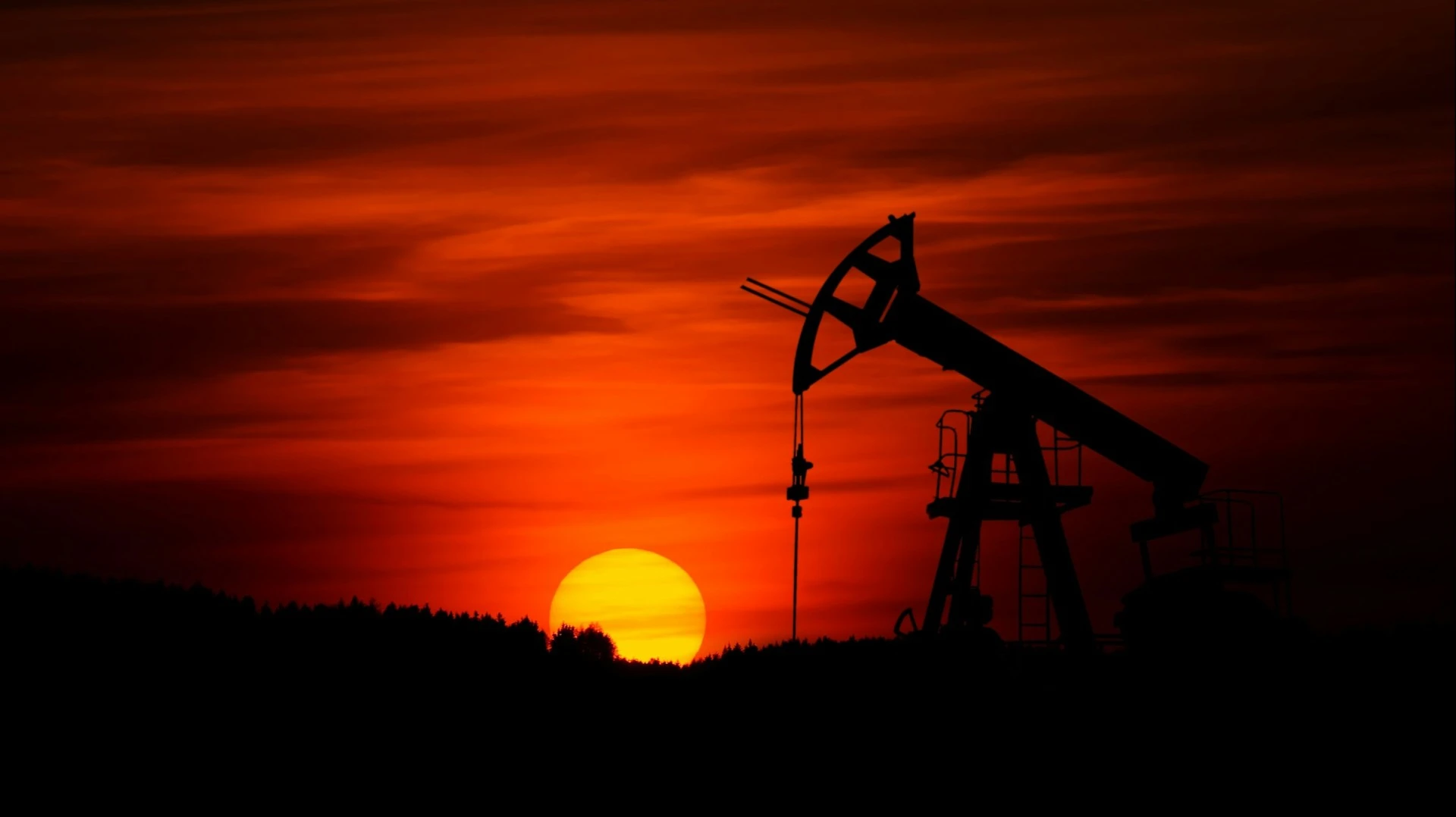
Photo: Zbynek Burival / unsplash
The United Arab Emirates (UAE) announced its withdrawal from the Organization of the Petroleum Exporting Countries (OPEC and OPEC+), Reuters writes, pointing out that such a move would be a serious blow to the group and its de facto leader - Saudi Arabia - amid the ongoing war in the Middle East. As of February 2026, the UAE was OPEC's third-largest oil producer after Saudi Arabia and Iraq, CNBC specifies.
Details
Over the past few years, the UAE has expressed discontent over OPEC's restrictions on oil production in the group's member countries, which have prevented the export of large volumes of oil, the Financial Times notes. The Arab Emirates have been a member of OPEC since 1967. Now they will leave the cartel as of Ma 1, CNBC points out.
"This is a political decision, it was taken after a thorough analysis of the current and future policies [of the UAE] regarding [oil] production levels," Emirates Energy Minister Suhail Mohamed Al Mazroui told Reuters, adding that he estimated the move would not have a significant impact on markets due to the situation in the Strait of Hormuz, which has been under a double blockade by Iran and the US for weeks. The Wall Street Journal writes that Emirates will gradually increase production after leaving the group.
Amid reports of the UAE's withdrawal from OPEC, Brent Mark crude oil with delivery in June jumped to $112 per barrel, but then slightly reduced its growth rate to $111.44. North American WTI is trading above $100, up more than 4% from the previous close.
Context
OPEC's Gulf oil and gas producers are already struggling to export energy through the Strait of Hormuz - before the war in the Middle East, one-fifth of the world's marine supply of crude oil and a significant amount of LNG passed through this narrow waterway.
The material is supplemented
This article was AI-translated and verified by a human editor