Birkenstock has capitalized on growing demand for sabots and boots. What about the stock?
The shoe maker's revenue fell slightly short of analysts' expectations but rose thanks to sales of closed winter sabots and fur boots

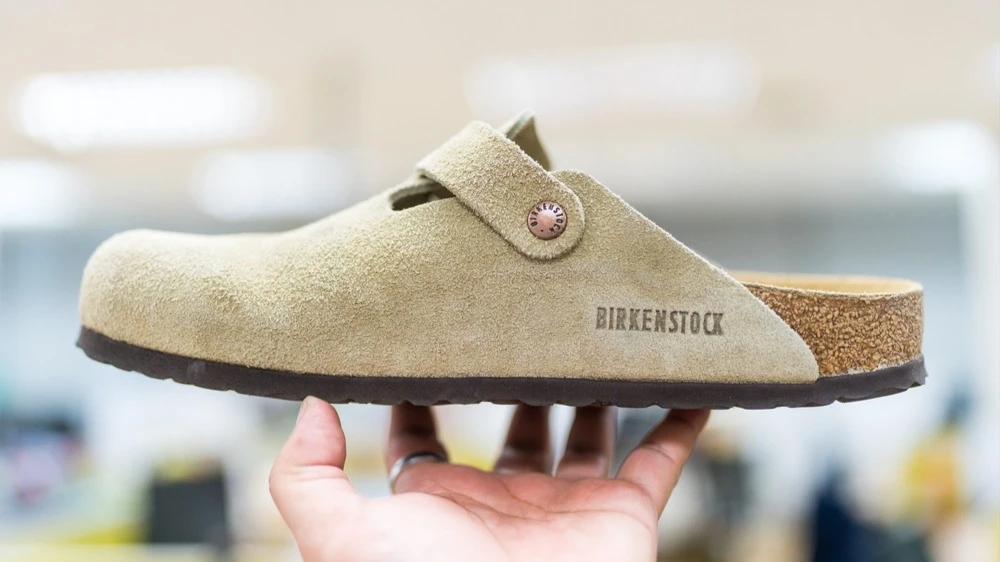
Birkenstock reported revenue of $477.58 million, which was just below analysts' forecasts / Photo: Dontree_M/Shutterstock
Revenue figures of German footwear manufacturer Birkenstock for the first quarter of fiscal year 2026 (ended December 31, 2025) did not meet the expectations of Wall Street, writes Reuters. The pressure on the company's total sales was caused by uneven demand in some regions and cautious attitude of consumers to purchases. However, along with this, the company recorded interest in models of closed shoes, which are particularly popular in the cold season, Bloomberg notes.
The company's shares have fallen by 29% over the past year. At the trades on February 12, they are losing 1.63%.
Details
Birkenstock reported revenue of €401.9 million ($477.58 million), just below the €402.1 million (LSEG) revenue forecast by analysts, Reuters reports. At the same time, on a constant currency basis, the figure was 18% above revenue for the same period last year and exceeded the company's own previous guidance, which called for Birkenstock's revenue to grow 15% in the first quarter of fiscal 2026, Bloomberg recalls. Birkenstock attributed such results to the release of closed-toe shoes.
The company reported quarterly earnings of €0.27 per share, with analysts expecting to see it at €0.26.
Birkenstock, which makes 95 percent of its shoes in Germany, like many non-essentials firms, is facing the effects of U.S. duties on EU goods, forcing consumers to pay higher prices for goods, Reuters writes.
The weak dollar and new duties have already caused Birkenstock's adjusted gross margin to drop to 57.4% (vs. 60.3% a year earlier). Adjusted earnings (EBITDA) at the same time amounted to €106 million, which is slightly higher than last year's figures and in line with analysts' forecasts, Bloomberg points out.
In addition, the company confirmed its full-year growth forecast: revenue is expected to grow by 13%-15% by the end of 2026, according to management estimates (analysts expected to see this figure at 11.6%); and annual earnings to be between €1.9 and €2.05 per share (analysts' consensus is at €2.02), Reuters writes.
The key drivers of the company's growth, as the agency notes, remain international markets: thus, in the Americas and Asia-Pacific, Birkenstock's quarterly revenue grew by 5% and 28%, respectively. Birkenstock is expanding its store network there. CEO Oliver Reichert also noted that demand for the company's products was strong during the holiday shopping season. Reuters notes that the company has been able to capitalize on its strategy of selling products at full price and limiting discounts and continues to raise prices.
Context
Reichert is trying to convince investors that his approach to smooth growth will ensure the popularity of the brand for years to come, Bloomberg writes. The company's strategy now relies, among other things, on its own production in Germany and tight control over distribution channels for its various lines of sandals and closed shoes - sabots, boots and fur-lined shoes. The production of the latter, among other things, helps Birkenstock sell more shoes in the winter months, the agency writes . The company is actively expanding this segment: last year closed shoes accounted for about 38% of total sales, notes Bloomberg.
What about the stock
Wall Street analysts believe in the potential growth of Birkenstock securities. 19 analysts tracking the company's stock recommend buying it, and five recommend holding it, MarketWatch data show.
This article was AI-translated and verified by a human editor