BP profits hit highest since 2023 thanks to super profits from Iran war
UK supermajor beats forecasts through 'exceptional' trading performance

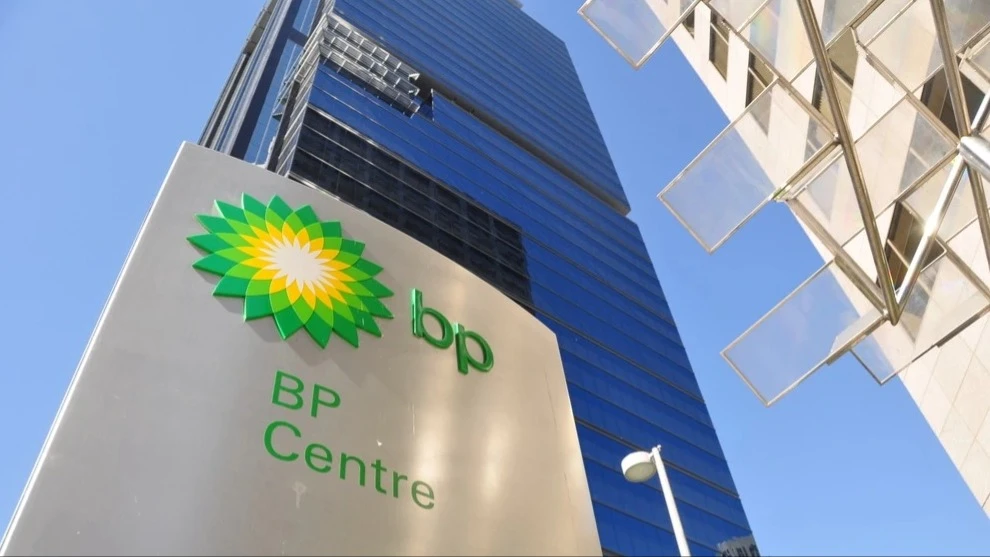
BP shares soared more than 30% in 2026, second only to France's TotalEnergies in the top five supermajors / Photo: Jeff Whyte / Shutterstock.com
BP's quarterly profit in January-March more than doubled, significantly exceeding market expectations. The British company's oil trading team, which trades in volumes ten times higher than BP's own production, benefited from the volatility triggered by the Iranian crisis.
Details
Adjusted for the cost of inventory replacement BP's profit (equivalent to net income of American oil companies, but excluding one-time factors) in the first quarter increased 2.3 times year-on-year and reached $3.2 billion, according to the quarterly report published on April 28. Experts, whose consensus forecast is quoted by the Financial Times, on average expected this figure to be at the level of $2.7 billion.
At the same time, the refining and trading division's adjusted quarterly profit soared to $2.2 billion, up from $469 million a year earlier. BP described the contribution of its oil trading team, one of the largest and most aggressive in the market, as "exceptional. Traders have traditionally benefited from market volatility: price spikes lead to wider spreads, provide an opportunity to capitalize on quote differences, and increase demand from airlines and other major clients for insurance against market shocks, the FT points out.
What about the stock
BP quotes at the opening of trading in London jumped by 3.4%. Subsequently, the growth corrected to 2.9%. Securities of the second British supermajor - Shell - are also trading in the plus.
Context
In the first eight weeks of the war in Iran, oil prices have risen more than 45%, topping $100 a barrel. But shares of oil giants are lagging due to market expectations that the Strait of Hormuz will eventually open and prices will fall. At the same time, the benefit of high oil prices is unevenly distributed: European majors, at the expense of large trading divisions, derive more income from the Iranian crisis than competitors in the U.S., Bloomberg noted ahead of the publication of the BP report. This affects the shares: since the beginning of the war, BP shares have added 20%, while the securities of the U.S. Exxon Mobil declined by 1%.
On Ma 29, French TotalEnergies will announce its first quarter financial results, and Exxon and Chevron will report on Ma 1. Shell, which this week agreed to buy Canadian shale oil producer ARC Resources for $13.6 billion, will publish its reports on Ma 7.
This article was AI-translated and verified by a human editor