Budget airline Spirit finally shuts down, citing higher oil prices

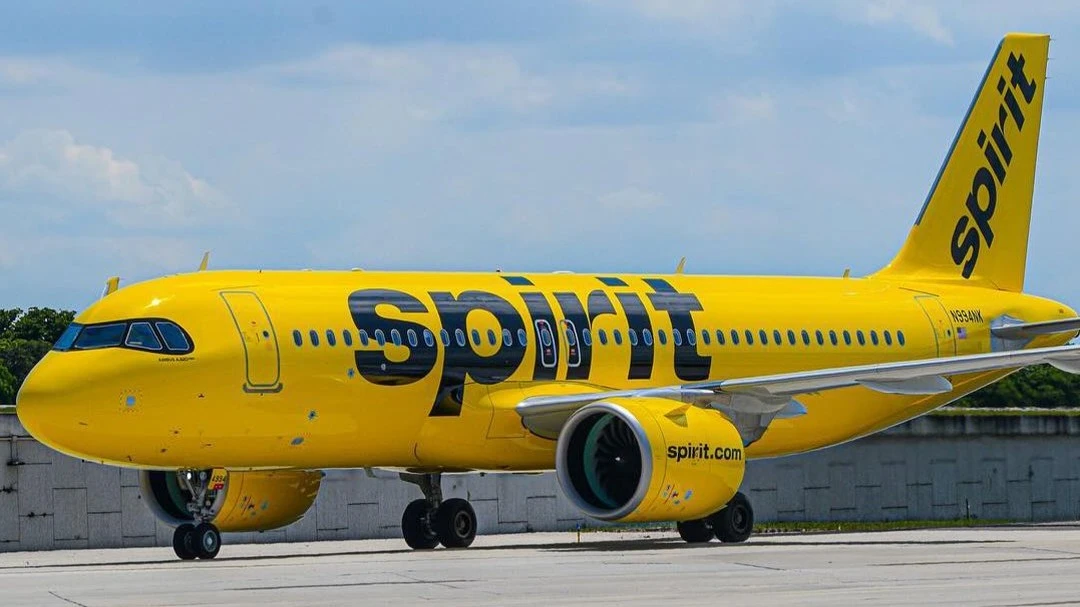
Although Spirit had gone bankrupt twice before, the company said high oil prices, driven by war with Iran, made it impossible to stay aloft / Photo: Spirit
Spirit Airlines, which has spent the last year and a half trying to restructure its business, announced on Saturday that it would immediately begin winding down operations. The carrier said the move was its only option amid a sharp rise in oil prices and the lack of additional funding.
Details
“All Spirit flights have been cancelled, and Spirit Guests should not go to the airport,” the airline said in a statement published Saturday.
Despite the company’s efforts to restructure the business, the recent material increase in oil prices and several other factors have significantly affected its financial outlook.
“With no additional funding available to the Company, Spirit had no choice but to begin this wind-down,” the airline said in a press release.
A day earlier, the Wall Street Journal reported on the possibility, citing sources. The daily said the development followed failed negotiations with the U.S. government over financial assistance for the low-cost carrier. Against that backdrop, Spirit shares plunged 70% in over-the-counter trading on Friday, though they later pared losses to close the session down 25%.
Implications
Spirit was a pioneer in the budget airline segment. However, its business model proved insufficient to manage its substantial debt burden, the Wall Street Journal noted. In recent years, the low-cost carrier has faced mounting competition from major airlines offering cheap fares, sharply rising labor costs, and engine issues that forced dozens of its aircraft out of service.
The company had sought to improve its financial position through a merger with Frontier Airlines or JetBlue Airways, but those negotiations ultimately stalled.
That pushed the airline into filing two consecutive chapter 11 bankruptcy proceedings, which allow companies to continue operating while restructuring debt.
In March, Spirit reached an agreement with bondholders on a restructuring plan that would have allowed it to continue operating, but “the sudden and sustained rise in fuel prices in recent weeks ultimately has left us with no alternative but to pursue an orderly wind-down of the Company,” CEO Dave Davis said.
He added that sustaining the business required “hundreds of millions of additional dollars of liquidity that Spirit simply does not have and could not procure.”
“This is tremendously disappointing and not the outcome any of us wanted,” Davis said.
Compensation for creditors will be determined through the liquidation process, according to the company statement.
Context
Spirit and several other low-cost airlines sought $2.5 billion in financial assistance from the U.S. government, the Wall Street Journal reported on April 27. Spirit separately requested $500 million from the government but failed to secure support.
Meanwhile, CNBC sources said last month that the Trump administration had offered Spirit a $500 million loan in exchange for a stake of up to 90% in the airline. Bondholders opposed the proposal, the network reported.