Chasing the bunch: why Michelin will rate wineries

Sometimes it's nice to treat yourself to a Michelin-starred restaurant. The expectation of something special and unusual gives a sense of celebration: a completely unexpected taste or texture of a familiar product, the mesmerizing beauty of food presentation, or simply a classic that is flawlessly executed.
I used to be secretly envious of Michelin Guide inspectors: you have to admit, the job, the essence of which is traveling the world with endless tastings of haute gastronomy in the best restaurants on the planet, seems more than tempting.
From 2026 there will be another area for evaluation - the Michelin "gods" will now inspect wineries, the company announced in early December. It is about the launch of the new Michelin Grapes system.
The starting point will be the two French regions of Bordeaux and Burgundy, the wine classics. The first evaluations, according to the official announcement, the farms will receive their first appraisals as early as 2026.
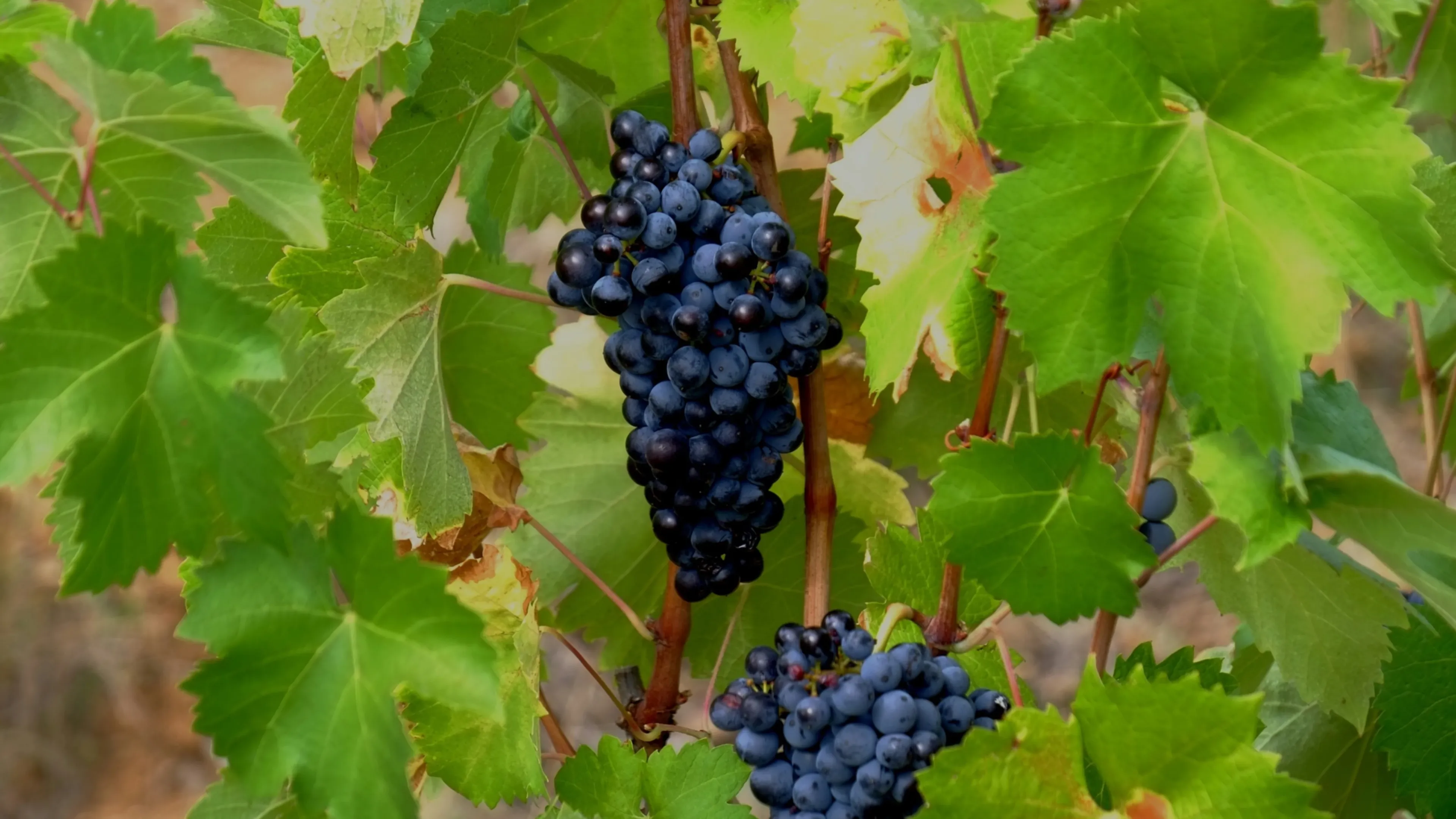
Grapes - a bunch of grapes - will be similar to the "star" system for restaurants. It will consist of three levels. Three Michelin grapes will signify that the winery receiving them is exceptional and "regardless of the vintage, wine lovers can have complete confidence" in its products, the company said in a statement. Two bunches of grapes will go to "excellent producers who stand out among their peers and in their region for the high quality and consistency of their products." Finally, one bunch will signify that the winery is a "very good producer." It is also envisioned that there will be a Selected category in the ranking, for wineries that are chosen for regular review.
The evaluation methodology, according to Michelin's statement, includes five universal criteria: quality of agronomy (soil conditions, vine care), technical mastery of winemaking, the wine's distinct identity (terroir, character), balance (i.e. combination of acids, tannins, oak, alcohol and sweetness) and stability of quality over different vintages.
Michelin will employ a team of inspectors - former sommeliers, wine critics and experienced professionals - who will undergo a rigorous selection process and work completely independently.
In this way, Michelin claims to be a guide to wineries whose terroir and craftsmen's hands give birth to a beverage that forms an integral part of the gastronomic experience. Grapes aims to highlight not only individual wines, but wineries as a whole, their craftsmanship, heritage, ideas and approaches.
What will it change
Why is this important and what should we be prepared for? For investors, winemakers and wine consumers, Michelin Grapes can become a "global standard", the economic axis of a new market.
Firstly, the Michelin brand is one of the most recognizable in the world of gastronomy. Trust in it is historically high, and having a "bunch" can be perceived as a mark of quality on a par with stars for restaurants.
Secondly, if the rating does eventually become global and independent, it could open up new markets for winemakers: exports, tourist destinations, prestigious sales. Especially if we take into account that the first regions - Bordeaux and Burgundy - have long been points of attraction for wine investors and collectors. After all, to win "three bunches" can become a matter of honor, a guarantee of a growing reputation and proven value (and indeed price) of the bottle.
On the other hand, wine is too subtle and individual a substance to be evaluated in the same way as restaurants. The influence of the vintage, terroir, climate - all of these are difficult to standardize. In addition, there are already many evaluation systems in place: 100-point scales, regional guides, critics, sommeliers, so adding another one can be perceived as overloading the market, where it is already difficult to navigate.
Nevertheless, it is a very logical step for Michelin. After all, over its long history, the guide has evolved from a mere travel guide to a brand that guarantees prestige. Adding a new destination looks to cover the entire spectrum of gastronomic experience: literally from the road to the table with a delicious dinner and a glass of wine.
The first Michelin guide was not about gastronomy, but about roads, gas stations and lodging - the founders of the tire company of the same name, Andre and Edouard Michelin, created it to help motorists plan their trips and thus stimulate sales of cars and, consequently, tires. The guide included maps of the area, as well as information on gas stations and places to eat or stay overnight. For two decades, the guide was given away for free until, legend has it, Andre Michelin saw in a tire store that the guide was being used to prop up a workbench. Then, in 1920, the road guide was no longer given away for free, but was sold for seven francs, based on the principle that "a man only truly respects what he pays for".
In 1926, the Michelin star system for cafes and restaurants was first introduced, and in 1931, a three-level rating was introduced, from one star for "cafes with good food" to three-star restaurants worthy of a trip. The criteria and categories have evolved over time, too: not only stars, but also special designations like Bib Gourmand for excellent, inexpensive establishments, and a "green star" for restaurants that pay attention to sustainability.
Interestingly, Michelin introduced a full-fledged hotel rating system only in 2024. Michelin Keys are an analog of "stars" for hotels. They are assigned from one to three "keys" for impeccable hospitality, impeccable design and service. One "key" already speaks of a worthy establishment, and three means that the hotel is "the best of the best". In October 2025, the first global selection of Michelin Keys will include 2,457 hotels worldwide.
It is possible that Michelin Grapes will become a new benchmark for the wine market and collectors in the coming years. However, in conclusion, it is important to remember that even if you see that a winery has three "bunches", it does not always mean that you will like its wine.
High marks from the guide are not the only way to happiness. Sometimes it is much cozier to dine without excessive pathos in a small family restaurant or diner, where simple but hearty food and homemade wine are served.
Real pleasure is often born far away from fancy restaurant halls - in the most modest places where you are genuinely welcome and where you want to return again and again.
This article was AI-translated and verified by a human editor