China has banned AI chips from overseas in state-supported data centers. Who will suffer?
Chinese authorities have invested at least $100 billion in data center construction since 2021

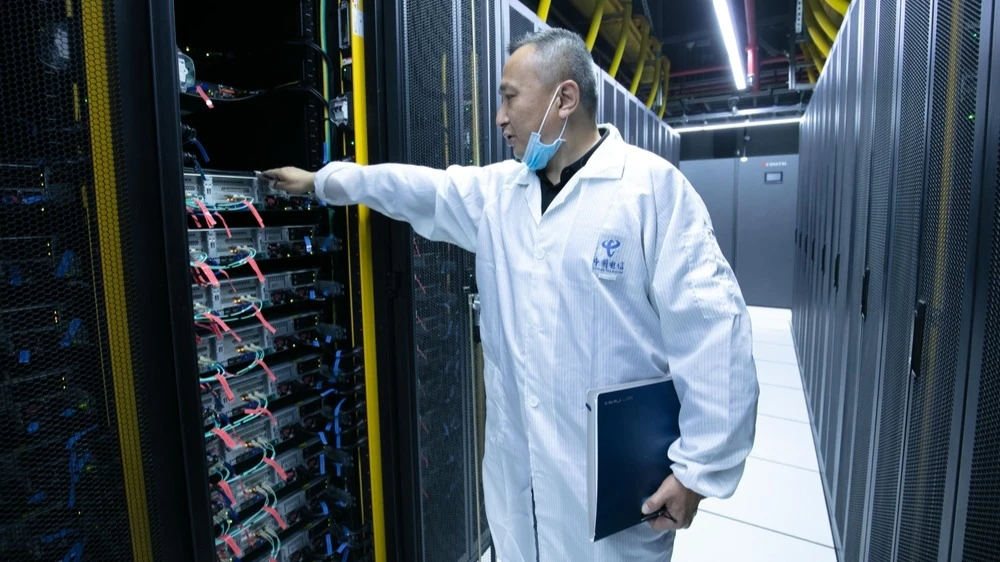
Beijing has closed the doors of state data centers to foreign manufacturers of artificial intelligence chips. According to the directive of Chinese regulators, operators of projects with state support are obliged to use only domestic processors, and in case of low readiness of the facility - to get rid of already purchased imported equipment, Reuters reported citing sources. Nvidia, which is losing chances to regain its position in the fast-growing Chinese AI market, may suffer the most from the ban.
Details
Chinese authorities have issued a directive that requires operators to use only locally manufactured AI chips in new state-funded data centers, two sources told Reuters. Chinese regulators have ordered data centers with readiness below 30 percent to remove all installed foreign chips or cancel plans to purchase them, they said. Decisions on projects at a more advanced stage will be made on a case-by-case basis, the sources said.
According to Reuters calculations, since 2021, Beijing has allocated more than $100 billion for the construction of AI data centers in China, and state support in one form or another has been involved in most cases. According to one of the agency's sources, due to the ban on imported AI processors, several projects have already been frozen before construction begins.
Who's the main victim
The new directive covers not only the H20 chips - the most advanced model that Nvidia can ship to China under the restrictions - but also the more powerful B200 and H200, the sources said. While their export from the U.S. to China is technically banned, they are still widely available in the country through gray market channels, Reuters notes. In addition to Nvidia, other companies, including AMD and Intel, have also supplied data center chips to China.
According to Nvidia's own data, its share of the Chinese AI chip market has now shrunk from 95% in 2022 to almost zero. However, the exclusion of foreign manufacturers from major state-owned projects will dash Nvidia's hopes of regaining share and deprive it of a significant part of its revenues if it strikes a deal to resume sales of advanced chips to China, Reuters writes.
Context
With its directive, the Chinese government is further clearing the AI market for domestic chip makers - from state-owned giant Huawei to smaller players Cambricon, MetaX, Moore Threads and Enflame. These companies' products can already compete with Nvidia's standalone solutions, but local developers are reluctant to switch to them due to the lack of a mature ecosystem, the agency notes.
This article was AI-translated and verified by a human editor