Citrini's new forecast: author of market-crashing AI report bets on falling stocks
At the same time - unlike many on Wall Street - the research firm expects rates to fall this year

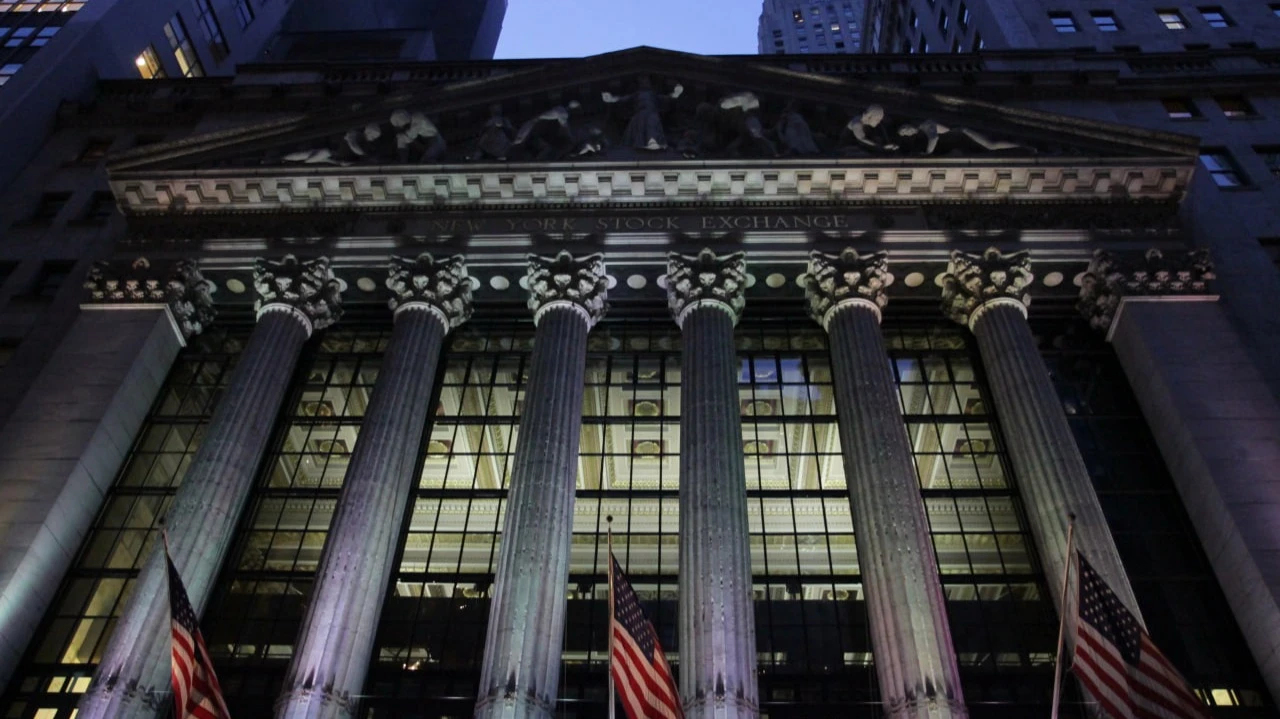
Even if the military conflict in the Middle East is resolved within a month, Citrini sees limited upside potential for the stock market / Photo: meagankirk / Shutterstock.com
Citrini Research, whose viral "prophecy" about the risks of AI to the economy crashed the market in February, has unveiled a bold new forecast, MarketWatch reports. Citrini's founder warns that a slowdown caused by rising oil prices due to the war in Iran could pull the stock market down. At the same time, he - contrary to popular belief - believes the Fed will "ignore" the shock from high energy prices and cut rates within a year.
Details
Citrini Research analysts opened a short position in shares and simultaneously opened a long position in futures on three-month interest rate SOFR (Secured Overnight Financing Rate) with expiration in March 2027. This is the benchmark rate at which large banks lend to each other for a short period of time. It follows the Fed Funds rate, so SOFR futures reflect expectations of the regulator's future decisions.
Citrini, founded by analyst James van Geelen, went public in February after its "apocalyptic" report, which argued that the AI boom could eventually hurt the economy by driving unemployment to 10% if employees are replaced by machines. This triggered a collapse in tech stocks and especially software makers.
Now Citrini is once again showing counterintuitive macroeconomic views, CNBC writes. Van Geelen believes the markets are wrong in their predictions regarding Fed policy this year. As Wall Street prepares to tighten, Citrini is betting on a quick reversal by the regulator to lower rates.
Why Citrini believes in easing
According to the CME FedWatch tool, traders were counting on at least two rate cuts before the conflict in Iran began. But because of a jump in oil prices, which is expected to stoke inflation, the consensus forecast now assumes no change, and even allows for the possibility of an increase, MarketWatch points out.
In a fresh post on the Substack platform, van Geelen argues that the current market fears are a classic "mistake of the recent past". The main difference between the current situation and the crisis of 2022, when the world faced a massive "energy shock" due to the Russia-Ukraine conflict, is that back then, US interest rates were at their lowest and inflation was above 5%. This left the Fed with no choice but to tighten aggressively. Today, rates are close to neutral, and expensive oil itself will work as a constraint: high fuel prices will seep into the consumer sector, reduce purchasing power and tighten financial conditions without the need for regulator action.
As Citrini's founder emphasizes, the Fed is well aware that raising rates "will not magically create additional oil supply," and it is simply dangerous to go for another tightening cycle amid rising unemployment.
"They will ignore this shock .... Warsh or Powell [will be at the Fed's helm] - it doesn't matter," the analyst writes, "If oil remains expensive, it will be easy enough to leave rates at current levels as long as rising oil prices spread through the rest of the economy and cause a slowdown against which rates can already be cut.
What will happen to the stock market
Even if the military conflict is resolved within a month, Citrini sees limited upside potential for the market. The consumer sector will remain weakened after higher fuel costs, which will restrain the strength of a possible recovery.
This position also calls into question the popular bullish scenario that a rate cut would support the stock market, CNBC notes. Van Geelen suggests that possible policy easing will occur in response to deteriorating economic growth, and such a backdrop is historically more often associated with further declines rather than a sustained rally.
In the event of a protracted war, betting on short-term interest rates could take some toll, the analyst warns, but that would be offset by betting on a falling stock market.
At the same time, van Geelen urges caution with short positions, as Donald Trump's statements on the social media war could trigger sharp rallies. Analysts are ready to immediately get out of shorting if the S&P 500 index reaches 6,750 points, that is, it will grow by about 2.5% relative to the closing level on March 25.
This article was AI-translated and verified by a human editor