Commodity prices to reach four-year high in 2026 - World Bank

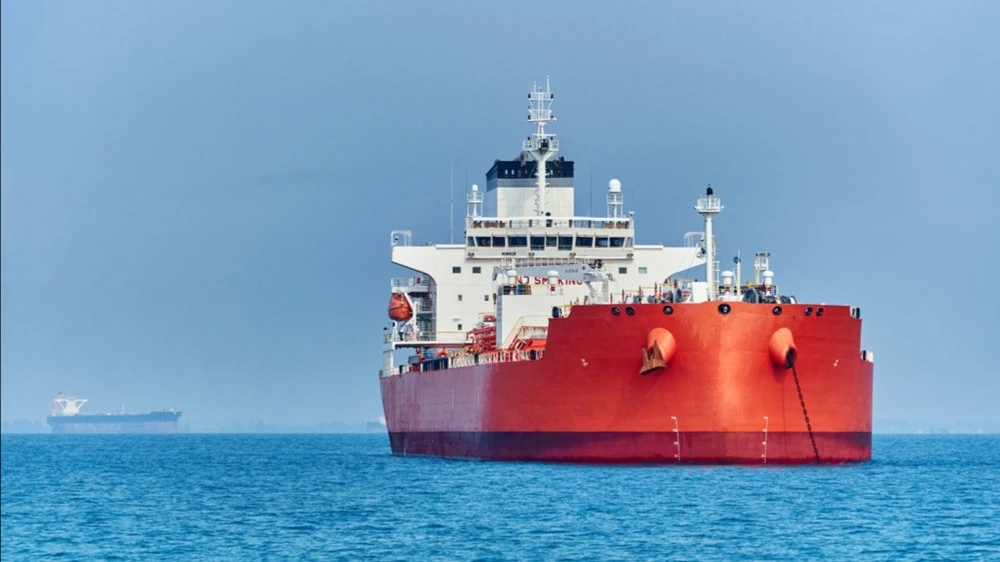
The World Bank raised the forecast average annual cost of Brent crude oil from $60 to $86 per barrel / Photo: Tommy Chia SG / Shutterstock.com
Global commodity prices will rise this year to their highest level since 2022, the World Bank says. The World Bank commodity price index is expected to rise about 16 percent this year, the Washington-based organization said Tuesday in its Commodity Markets Outlook report. That would be the first annual increase since the start of the Ukraine conflict, the bank said.
Energy and fertilizer prices have jumped to multi-year highs since the start of the war in Iran. The virtual closure of the Strait of Hormuz, which accounted for about a third of global seaborne crude oil trade before the conflict, has triggered a historic shock to energy and commodity markets, the bank said. "The war is hitting the global economy in successive waves: first through higher energy prices, then through higher food prices and finally through higher inflation," Bloomberg quoted World Bank chief economist Indermit Gill as saying.
The World Bank's energy price index is expected to rise by about 24% this year in a baseline scenario in which the "most severe" supply disruptions end in May. The average price of Brent crude is expected to average $86 a barrel this year, according to the bank's forecast. In January, the World Bank estimated this figure at $60.
The natural gas and fertilizer markets have also experienced sharp price increases due to the conflict. The World Bank expects fertilizer costs to rise by 31% this year, posing a risk to farmers' incomes and future crop yields. Over time, this could lead to higher food prices and increase food insecurity. In addition, the closure of the Strait of Hormuz has cut off key routes for a number of economies dependent on food imports, and rising fuel prices and trucking costs are pushing up the prices of other essential commodities. If oil prices remain above $100 a barrel, it "could lead to up to 45 million more people facing severe food insecurity this year," the World Bank said.
"The poorest people, who spend the largest share of their income on food and fuel, will be hardest hit," Gill said. - All of this reminds us of a stark truth: war is degradation.
This article was AI-translated and verified by a human editor