Despite Trump executive order, pot stocks dip as traders take profit
Trump is reclassifying cannabis as a less dangerous drug at the federal level

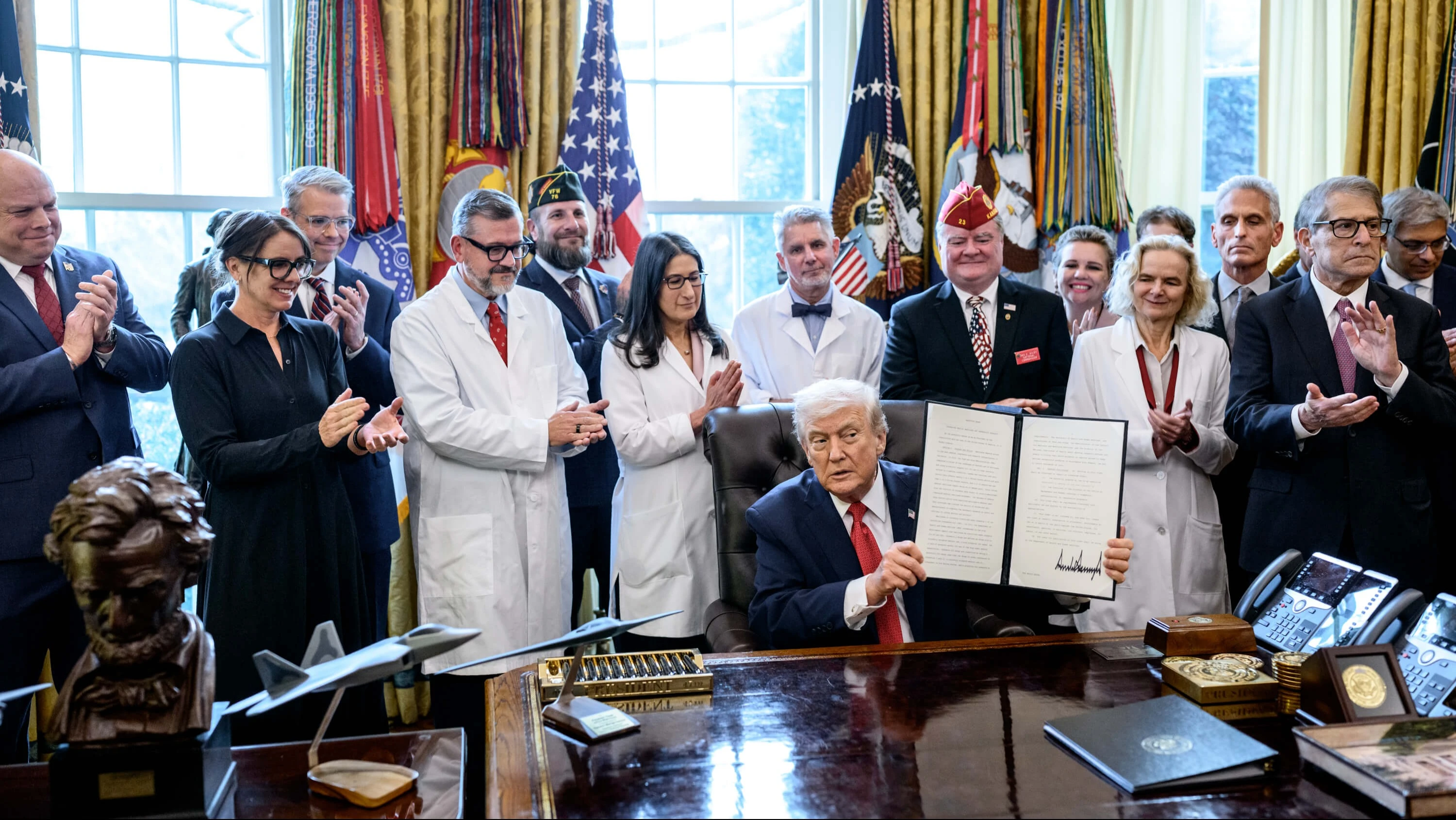
U.S. President Donald Trump signed an executive order on Thursday, December 18, directing a relaxation of federal marijuana regulation. Under the order, the drug is set to be moved from the most restrictive category to a classification reserved for substances with recognized medical use and lower abuse potential. The shift will ease tax pressure on the cannabis industry and create conditions for new drug development, yet sector stocks fell sharply following the announcement.
Details
Trump’s executive order instructs the U.S. Department of Justice to initiate the process of reclassifying cannabis from Schedule I to Schedule III. Schedule I currently includes substances such as heroin and LSD, while Schedule III covers drugs like ketamine, CNBC explained.
“This action has been requested by American patients suffering from extreme pain, incurable diseases, aggressive cancers, seizure disorders, neurological problems, and more,” Trump said during the signing ceremony, Bloomberg reported.
The Centers for Medicare and Medicaid Services, which administer federal health insurance programs, is expected to launch a pilot program in April allowing certain Medicare-covered seniors to receive free, doctor-recommended CBD products, CNBC writes, citing senior White House officials.
Impact
Trump’s executive order does not legalize marijuana and does not set specific timelines, MarketWatch noted. According to administration officials, the measure is aimed primarily at expanding research into the medical use of cannabis. That, in turn, opens the door for the development of cannabis-based medicines that could receive approval from the U.S. Food and Drug Administration, providing companies with a clearer path to market, Bloomberg wrote.
Analysts finger the reclassification as financial relief for the industry. It would allow pot companies, for the first time, to deduct standard business expenses such as rent and payroll, CNBC noted. Those tax restrictions have weighed heavily on sector profitability. The shift could also improve access to banking services and institutional capital that had previously been limited by compliance concerns, MarketWatch adds.
In addition, CNBC wrote that "many on Wall Street expect the changes and the Medicare pilot to draw major pharmaceutical players into the sector to chase federally insured revenue."
Stock performance
Shares of pot companies were mixed after Trump’s announcement, MarketWatch wrote. Tilray Brands shares closed down 4.2% on Thursday, having risen as much as 22% intraday. Shares of Canada's Trulieve dropped about 22%, Green Thumb Industries 15.3%, and Curaleaf Holdings 32%.
The selloff likely reflected investors taking profit after the stocks rallied earlier on reports that the executive order was imminent, MarketWatch suggested.
Context
About half of U.S. states currently allow marijuana for recreational use, while more than 40 states and Washington, D.C., permit it for medical purposes, Bloomberg noted.