'Early to start celebrating': EU stocks fall amid fresh escalation in Middle East


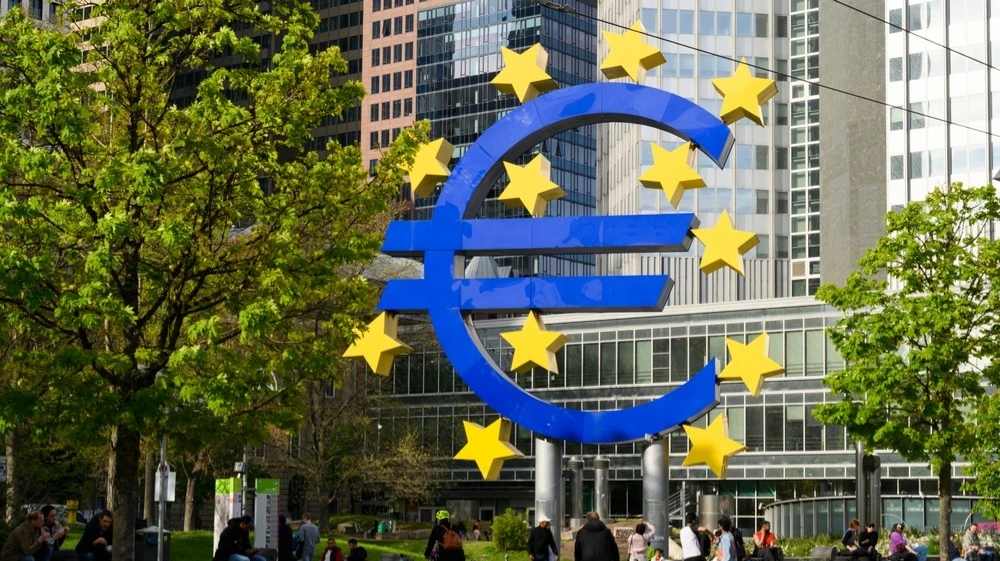
Photo: Adam Śmigielski / unsplash
Amid Friday's easing of tensions in the Middle East and new records for U.S. indices, European stocks jumped more than 1.5% in the first seconds of trading on April 20. But then - due to the escalation of the Iranian crisis over the weekend - they also fell precipitously. Renewed tensions between the U.S. and Iran could derail the fragile truce between the two countries, CNBC reported.
Details
Pan-European index Stoxx 600 loses 0.9% (in the first seconds of trading he jumped by 1.5%), the French CAC 40 was growing by almost 2%, but then collapsed by more than 1%, the German DAX, adding 2.27% - down by 1.24%, the British FTSE 100 loses 0.38% (at the beginning of trading he was in the plus by 0.7%).
Meanwhile, Brent crude oil for June delivery is trading at $95, up 5% from Friday's close. WTI contracts at $88.3 are also up 5.34% from the close on April 17.
U.S. stock index futures are mostly down, with contracts on the S&P 500 and Nasdaq 100 falling about 0.5%, while the Dow Jones is losing 0.6%.
Asian shares showed mixed dynamics during the day, but at the end of the session on April 20, went into the green zone: Japanese Nikkei 225 added 0.72%, Korean Kospi - a little over 1%.
What the analysts are saying
"Investors seem to be celebrating too soon," said Martin Henneke, head of investment advisory for Asia and the Middle East at St. James's Place (quoted by Bloomberg). Events in the Middle East region over the weekend "may cause some of the market's recent gains to be corrected in the short term," he added.
"The headlines look bad; it gives the impression that there's been a disagreement [between the parties to the conflict in the Middle East], <...> leading to some escalation [of the situation]," said Wilson Asset Management portfolio strategist Damien Boy (quoted by Reuters). "But I think ultimately both sides [both the U.S. and Iran] want a deal - that's partly why the market is optimistic and not falling too much," he noted.
Context
The decline in quotations on the European stock market occurred after a successful week on Wall Street, when S&P 500 and Nasdaq Composite indices reached new historical maximums. Such dynamics they demonstrated after the ceasefire between Israel and Lebanon, as well as against the background of Iran's reports on the readiness to open the Strait of Hormuz for the passage of commercial ships. However, the situation changed at the weekend, when Iran again closed the Strait's shipping - in response to the U.S. blockade of Iranian ports and ships on this route. This was followed by the shelling of several tankers near the Strait of Hormuz, and the U.S. detaining and damaging an Iranian-flagged cargo ship in the Gulf of Oman that attempted to break the U.S. military blockade. The ceasefire agreement in the Middle East, which is supposed to be in effect until Tuesday, April 21, has come into question, states Reuters.
This article was AI-translated and verified by a human editor