Emirates reports record profits amid airline industry crisis
While other airlines cancel thousands of flights, the Dubai-based carrier says it is in no hurry to cut costs

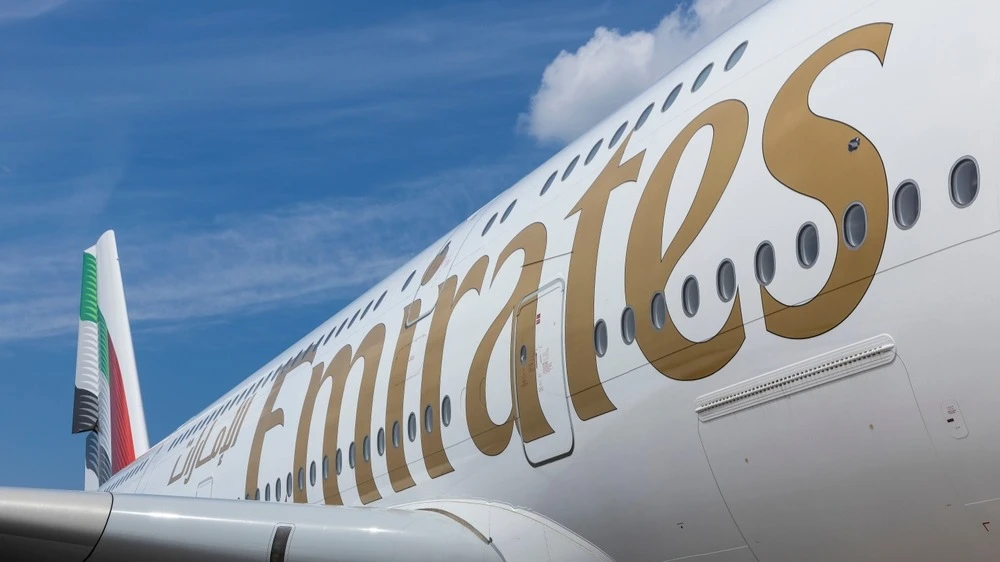
Emirates claims to have restored about three-quarters of flights from pre-war levels / Photo: Photofex_AUT / Shutterstock.com
Dubai-based airline Emirates reported record profits and revenue for the year despite difficulties caused by war in the Middle East and airspace closures.
Emirates' pre-tax profit for the fiscal year ended March 31 rose 7% to -$6.6 billion. Revenue rose 3% to $41 billion. Both figures were record highs for the company, Emirates said in a statement.
The airline admitted that it faced "significant challenges" in the last month of the fiscal year: the outbreak of war in Iran led to the closure of airspace and the cancellation of thousands of flights. Emirates' year-to-date passenger traffic fell 1% to 53.2 million. The load factor - a measure of aircraft occupancy - also declined, from 78.9% to 78.4%.
Both figures have been pressured by the war, says the Financial Times. Emirates says it has restored about three-quarters of its flights from pre-war levels. The Dubai-based carrier also said it has sufficient fuel reserves to fully resume operations.
Emirates is not releasing financial forecasts for next year. The airline's chairman Sheikh Ahmed bin Saeed Al Maktoum said business fundamentals remain strong and cash reserves allow it to implement plans to modernize its fleet and invest in new facilities and equipment "without hastily cutting costs."
Context
After the U.S.-Israeli war against Iran began in late February, Dubai, the world's busiest transportation hub, imposed restrictions on commercial air travel. Foreign airlines were allowed to operate only one round-trip flight per day. At the same time, local carriers Emirates and flydubai continued to operate hundreds of flights daily, Reuters wrote, citing data from Flightradar24, an online flight tracking service.
The war has also led to a sharp rise in jet fuel prices, forcing other airlines to cut costs and cancel flights. For example, the U.S. Delta Air Lines decided to cut 3.5 percent of its flights, and Europe's Lufthansa canceled 20,000 flights and accelerated the closure of a regional subsidiary airline.
Collectively, global airlines cut about 2 million seats from their capacity as of Ma, according to Cirium, an aviation analytics firm.
This article was AI-translated and verified by a human editor