'Everyone is praying for recovery': hotels in Dubai cut prices due to Iranian shelling
Hotel occupancy in the emirate fell from 90% in the high season to around 16% by March 17

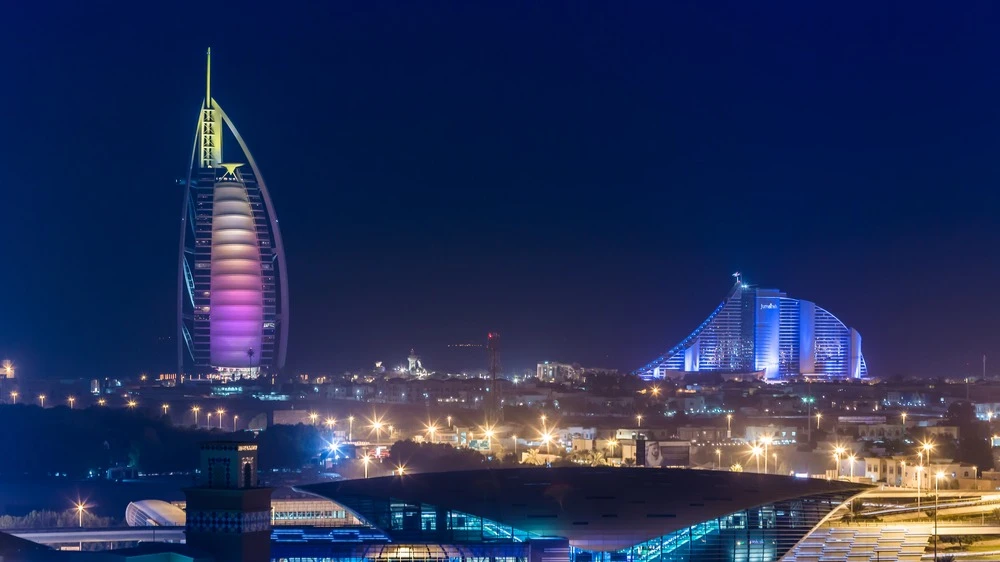
Prospects for the recovery of Dubai's tourism industry depend on the timing of the end of the war and the nature of relations with Iran after it / Photo: Sergii Figurnyi / Shutterstock.com
Hotels in Dubai are cutting prices due to a sharp drop in occupancy after massive Iranian shelling, the Financial Times reports. According to the analytical company Lighthouse Intelligence, last week the cost of accommodation in Dubai hotels in April and May fell by more than 11% compared to prices on the eve of the war.
Meanwhile, hotel occupancy rates in the emirate fell from 90% in the high season to around 16% by March 17, Lighthouse Intelligence data shows.
In addition to discounts, some hotels offer guests free food and drinks, writes the FT. One of the oldest luxury hotels in Dubai - One&Only Royal Mirage - has closed one of the buildings and reduced prices for accommodation in another for UAE residents, its employees said. Asked to comment on this, the hotel operator said it regularly closes certain areas during periods of low occupancy to improve efficiency and carry out maintenance.
Falling demand is also forcing businesses to cut staff costs, says the FT. According to the publication, many employees have been sent on unpaid leave or forced to go on planned vacation early. Employees on vacation abroad have been advised not to return temporarily. Layoffs remain rare as companies seek to retain their employees' work visas in the hope of a quick recovery from the war.
"The situation here is reminiscent of a pandemic," noted David Sanchez of Migrante Middle East, an organization representing overseas Filipino workers. During the pandemic, Dubai imposed tougher quarantine restrictions but then opened up the economy faster than others, driving strong growth over the next five years, the FT notes. But now even high-end restaurants, whose numbers have soared thanks to wealthy expats moving to the UAE, are facing a sharp drop in demand, the newspaper says. Some chains are sending employees from the UAE to Europe to work in subsidiary establishments during the summer, two investors told the newspaper.
"The whole industry is basically preparing for an early summer lull. Everyone is limiting staff spending and praying for a recovery in the fall," said one Dubai-based tourism business manager.
The prospects for the industry's recovery depend on the timing of the end of the war and the nature of relations with Iran in its aftermath, the FT states. "If everything ends in a ceasefire that does not lead to a final resolution of the conflict and only postpones a new round of confrontation, we will still get a rebound, but it will not surpass previous levels," a senior business adviser told the publication.
One hospitality investor estimates that the recovery is likely to come at the expense of less affluent tourists. "The industry may have to temporarily shift to a lower price segment. However, we will recover from September," he is confident.
Dubai authorities hope the external nature of the threat will allow the tourism sector to recover more quickly than other destinations such as Egypt and Tunisia, which faced a drop in demand after the terrorist attacks.
"This crisis is caused by external factors, and when they disappear, tourists will feel safe again," said one official. - People forget quickly."
The UAE in general and Dubai in particular took the brunt of Iran's retaliation after the US and Israeli attacks. More than 2,000 missiles and drones were fired at the Emirates, damaging some hotels and suspending airport operations.
Despite ongoing drone attacks, Dubai authorities consider the resumption of air service critical to sustaining the economy, the FT writes. About 250,000 tourists and 25,000 transit passengers who were stranded in the UAE when the war broke out have been flown out since flights resumed. Return flights to Dubai planes can operate at only 5-10% occupancy, Bloomberg wrote. The few passengers on the incoming flights are mostly expats who were outside the UAE at the start of the war, the FT explained.
This article was AI-translated and verified by a human editor