Gold at $6000? Analysts argue about the precious metal's future after its record rally
While some analysts are predicting the precious metal to rise to $6,000 an ounce, others are warning investors of a period of prolonged volatility

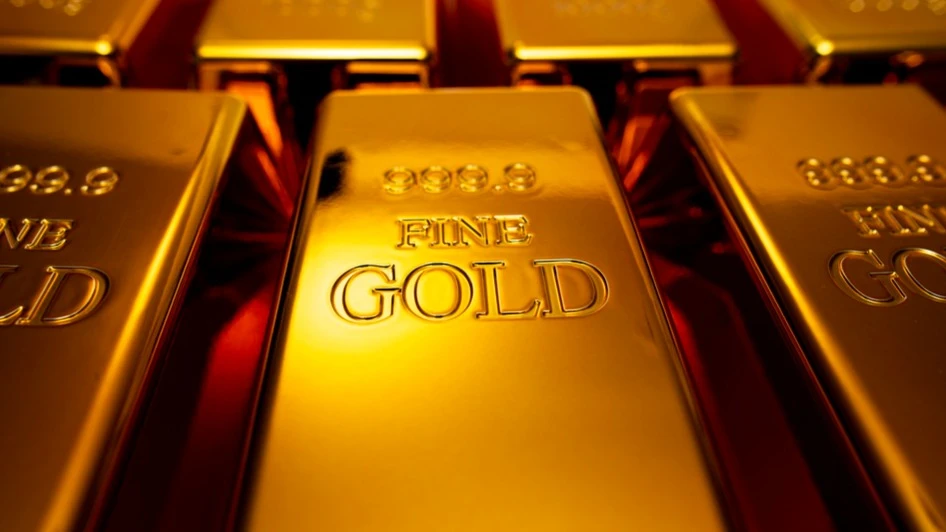
Gold price dynamics since the beginning of 2026 shows exceptional volatility / Photo: Faces Portrait / Shutterstock
The dynamics of gold prices since the beginning of 2026 shows exceptional volatility. After the historical breakthrough of the psychological mark of $5000 on January 26 and reaching a peak at the end of last month at a level above $5600, the precious metal quotes have moved to correction. Nevertheless, the short-term collapse was replaced by a phase of active recovery, notes MarketWatch. Some analysts continue to expect a significant increase in gold prices - up to $6000 per ounce by the end of 2026. This target implies the growth of gold prices by 22% relative to current indicators.
In trading on February 18, the cost of precious metal at a moment jumped more than 1%, recovering after falling to a one-week low at the previous session, notes Reuters. At the time of publication, the price of spot gold rose by 1.5% to $4953 per ounce.
Amid the volatility of quotations, MarketWatch has collected the forecasts of five analysts on the future of gold.
What's in store for gold by the end of 2026?
- By the end of 2026, the price of gold will jump to $6000 per ounce (+22% to current levels), according to portfolio manager of Midas Funds Thomas Winmill. He sees the drivers of growth in the systemic purchases of metal by global central banks and the actions of the U.S. presidential administration, which eventually lead to the depreciation of the dollar. Winmill is convinced that this combination will allow quotations to confidently overcome a new psychological boundary.
- Trevor Yates, Vice President of Global X, also expects gold prices to continue to rise. In his opinion, the gold market is at the early stage of a long-term "bullish" cycle against the background of "limited allocation of funds by investors and deteriorating prospects for global sovereign debt". Yates advises market participants to pay attention to the shares of gold mining companies: they, as the analyst believes, have underestimated valuations compared to historical data and can show outstripping growth (leverage effect) even with stabilization of prices for the metal itself.
- Cautious optimism about gold is also shown by Justin Cardwell, Director of Research and Technology at Alternative Options. "For the remainder of 2026, I expect gold prices to remain volatile and exhibit sharp swings in both directions," the analyst noted. But he also admitted that he "wouldn't be surprised" if the value of gold stabilizes over time and begins to gradually rise. This Cardwell expects as the interest in gold shifts from speculators to large institutional players.
- "Recent gold price volatility is attributed <...> to the broader issue of institutional uncertainty domestically and globally," says Preston D. Cherry, founder and financial advisor at Concurrent Wealth Management. Gold tends to gain during periods of "known unknowns," when policy credibility and macroeconomic conditions appear unstable, the analyst notes. If these scenarios continue to affect gold in 2026, volatility in the precious metal's prices is highly likely, Cherry points out, noting that price gains could continue, but its "ceiling" would be well below the 2025 record. In the run-up to the U.S. mid-year elections, "the intensity of inflows into safe haven assets may decline," the analyst warns: "Gold remains a relevant [asset], but investors should expect volatility rather than a smooth continuation of last year's growth," he says.
- "After the strong gains we've seen over the past year, continued fluctuations in gold prices would not be unusual," says Ryan Heiss, a certified financial planner at Flynn Zito Capital Management. He recalls that the metal "doesn't make a profit or generate cash flow like stocks, so its price is largely determined by investor sentiment, interest rates, inflation expectations and general market uncertainty."
Context
Over 2025, gold prices rose by 65%, the most significant increase in the precious metal since 1979. Since the beginning of 2026, spot gold has gained almost 14%. At its high in January of this year, gold was trading above $5600 per ounce, and at its low, it cost about $4300 per ounce.
This article was AI-translated and verified by a human editor