Goldman Sachs expects gold to rise by 20%. Why doesn't the bank believe in a long correction?

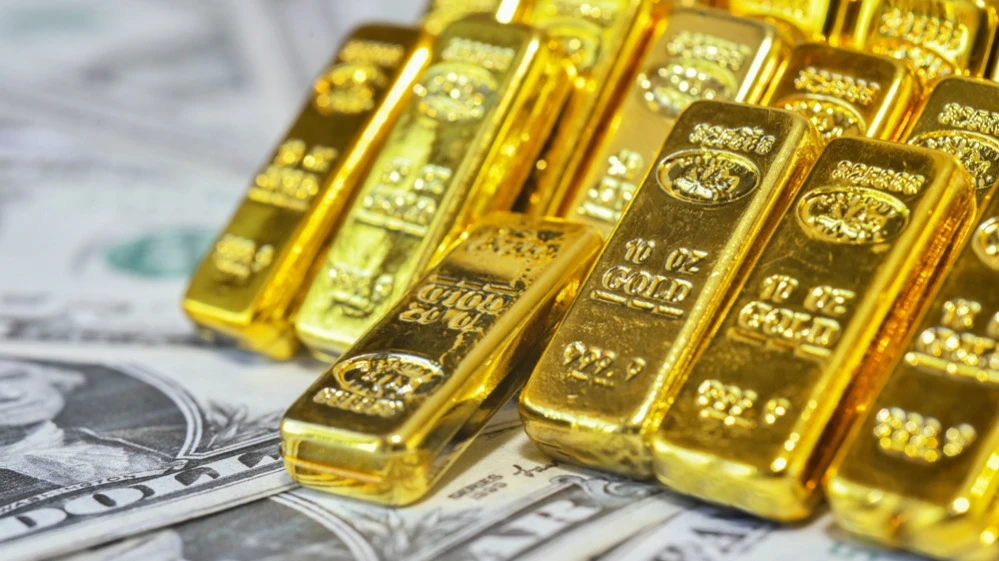
Goldman Sachs expects gold to rise to $4900 per troy ounce by the end of 2026. This is about 20% above the current price.
"Significant growth is possible if the idea of diversifying portfolios gains more traction among private investors," Barron's quoted investment bank analyst Lina Thomas as saying. In her opinion, traders in the U.S. and other countries may start buying precious metal more actively to diversify investments in stocks and bonds.
Which could drive the price up again
Goldman recalled that the recent gold rally was fueled by strong demand from two key groups: central banks and retail investors, including pension funds, investment companies and other market participants. The bank's analysts do not expect their behavior to change.
Central banks began to build up gold reserves in 2022 - after the U.S. froze Russian assets due to the outbreak of the conflict in Ukraine. That motive remains valid, Goldman notes. Purchases even increased in September, the latest month for which statistics are available, according to the bank. At the same time, private investors are also increasing demand, notes Barron's. Since the beginning of the year, they have invested more than $41 billion in SPDR Gold Shares and other exchange-traded funds. Over the past month there were outflows, but they were very moderate - about $1.2 billion, the publication points out. Goldman predicts that investors in ETFs, as well as individuals with high levels of capital, buying physical gold, will continue to expand positions.
How much is gold worth
Since the beginning of the year, gold has risen in price by almost 75%. On October 30, the price of the metal reached a high of $4336 per ounce. Since then, quotes have fallen by about 6%, and now December futures are trading at $4070. During trading on November 18, the cost fell to the psychologically important mark of $4000, but then resumed growth.
One of the reasons for the correction after the explosive rally was the strengthening dollar, explains Barron's. Another important factor is growing doubts that the US Federal Reserve will cut the rate again at its next meeting in December. A month ago, the market was almost certain that the regulator will continue to soften policy, but in recent weeks the probability of this has decreased. Now more than half of traders don't expect further cuts this year, the FedWatch tool shows . Higher U.S. interest rates are supporting the dollar and making yield-neutral gold less attractive than Treasuries, Barron's writes.
This article was AI-translated and verified by a human editor