Google CEO: if the AI bubble bursts, everyone will suffer
One in two global fund managers sees an AI market bubble as the most dangerous risk

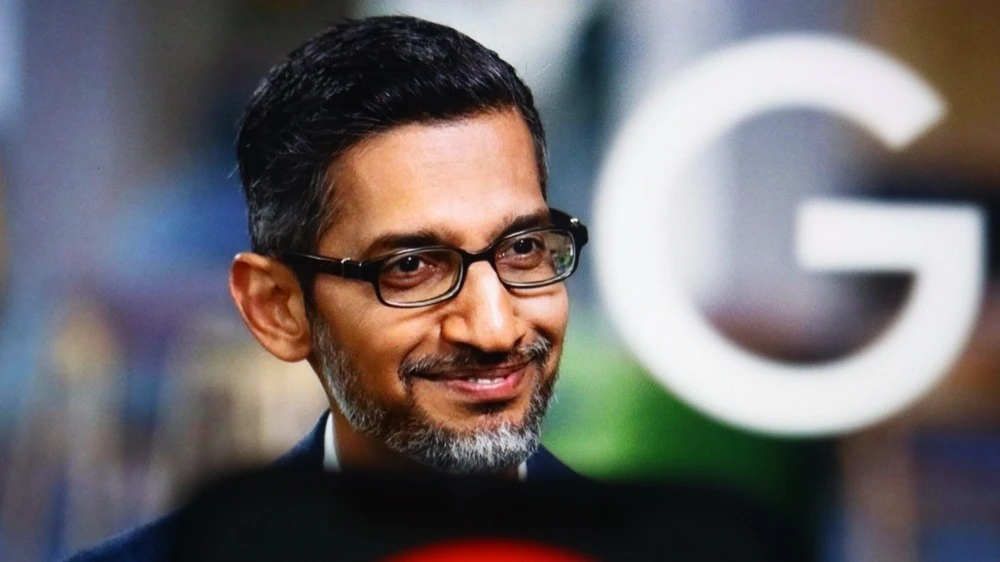
If the bubble in the artificial intelligence market bursts, it will affect every company, said Sundar Pichai, head of Google and its parent company Alphabet. The top manager drew a parallel with the dot-com crash, recognizing the risk of "irrational euphoria," but assured that a vertical business model would help the AI giant survive the turbulence. Pichai's statement came amid a worrying mood on Wall Street: according to a November Bank of America survey, one in two professional investors considers the AI bubble to be the most dangerous market risk.
Details
"I don't think any company will be immune [from the consequences of a bubble collapse], including us," Pichai admitted in an interview with the BBC. However, Google's vertically integrated business model, which involves owning the "full stack" of AI technologies - from its own chips and data collection systems to neural networks - will make it easier for the company to weather any turbulence in the AI market, the Google chief said.
Pichai drew a parallel between the current hype around AI and the dot-com bubble, recalling former US Fed chief Alan Greenspan's textbook warning about investors' "irrational euphoria" before the 2000 crash. The top executive acknowledged that the industry can "overreact" to such investment cycles, but pointed to the fundamental nature of AI: as with the Internet in the late 1990s, the current situation combines speculative "irrationality" with a rational understanding of the significance of the technology itself.
"We can look back on the Internet now. There was certainly a lot of over-investment, but none of us questioned its importance. (...) I expect it will be the same with AI," the Google CEO said.
Context
45% of global investment fund managers see an AI bubble as the top risk that could trigger sharp negative market events, a November Bank of America survey showed. The bank released it under the headline "Ma little cachet, lots of capex, need low rates." A record share of respondents said companies are "overinvesting," a sign that spending by large cloud providers, which includes Google, may be slowing. Meanwhile, overheated markets could face further declines if the Federal Reserve does not cut rates in December, respondents said.
This article was AI-translated and verified by a human editor