Google has launched an AI that creates digital worlds. Shares of video game developers collapsed

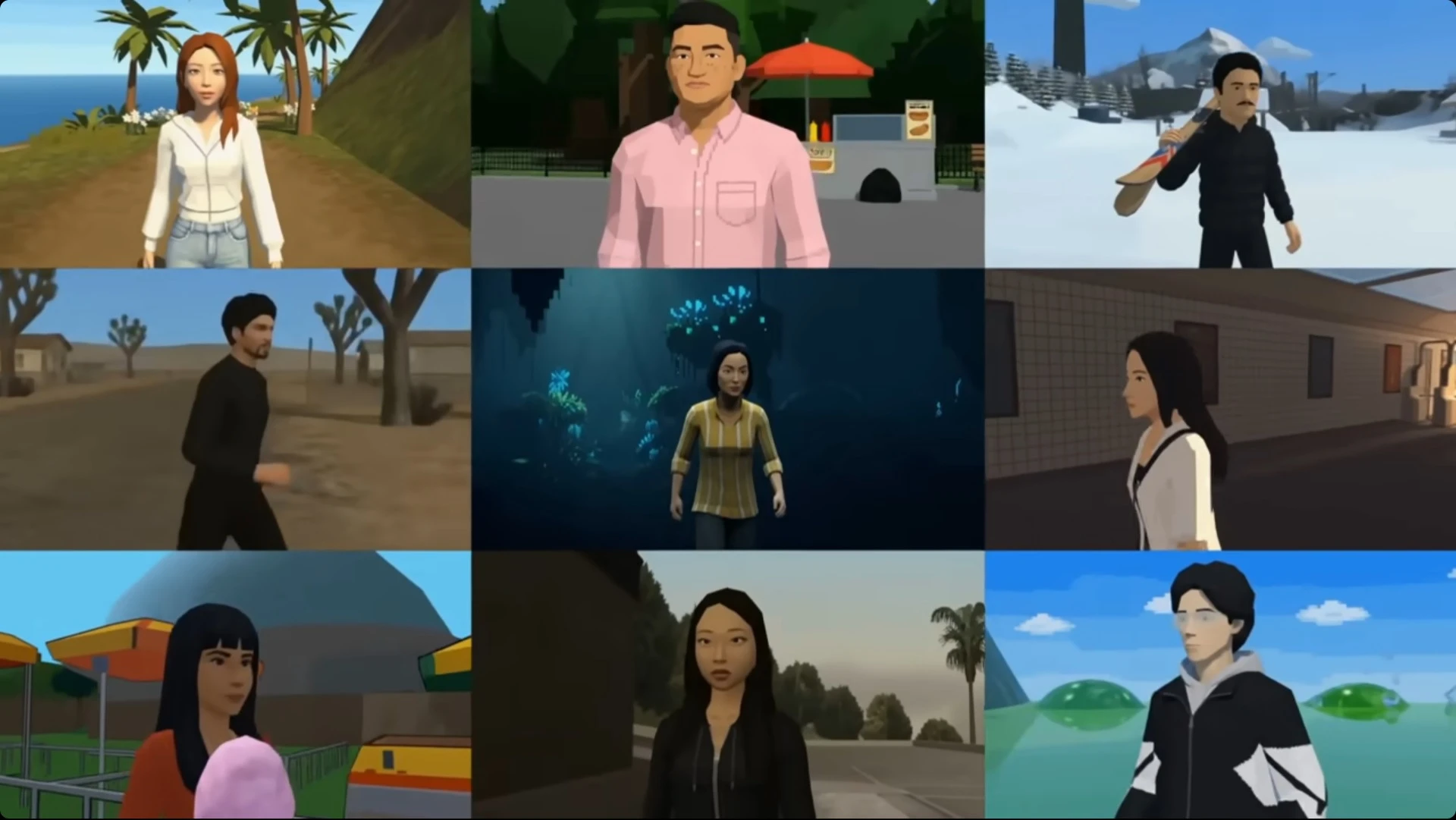
Google's new AI can create digital worlds at the user's request / Photo: Google
Securities of game companies fell sharply on Friday, January 30, after Google presented a model of artificial intelligence, capable of creating interactive digital worlds by text queries. Thus, the shares of Take-Two Interactive, the developer of Grand Theft Auto, fell by about 12%, the game platform Roblox - by 14%, and the securities of the developer of the game engine Unity Software fell in the moment by 28%.
Google's new AI model, dubbed Project Genie, allows users to create realistic digital environments using text commands or uploaded images. This could change the established approach to video game development and force the industry to adapt to rapidly evolving technologies, Reuters writes.
"Unlike static 3D scenes, Genie 3 creates a real-time environment as the user moves and interacts with it. It simulates the physics and behavior of objects in a dynamic environment," Google said in a blog post.
Context
Modern games are usually developed on game engines such as Epic Games' Unreal Engine or Unity Engine. They are responsible for complex technical processes, including gravity, lighting, sound and the physics of objects and characters, Reuters explains. Project Genie can shorten long production cycles and reduce costs: creating high-budget game worlds often takes five to seven years and costs hundreds of millions of dollars.
Game studios are increasingly adopting AI as a way to differentiate themselves in the face of growing competition and dominance by big players. According to a Google study published last year, almost 90% of developers use AI agents.
However, the use of artificial intelligence in the gaming industry remains a contentious issue, Reuters emphasizes: many fear it will lead to mass layoffs. The sector has already experienced record layoffs in recent years amid the recession that followed growth during the coronavirus pandemic.
In 2024, voice actors and performers working with motion capture technology were opposed to the use of AI: they went on strike, fearing that their voices were being used to train models without their consent or payment.
This article was AI-translated and verified by a human editor