Hertz stock soared nearly 14% in just one day. Is this another "meme" rally?

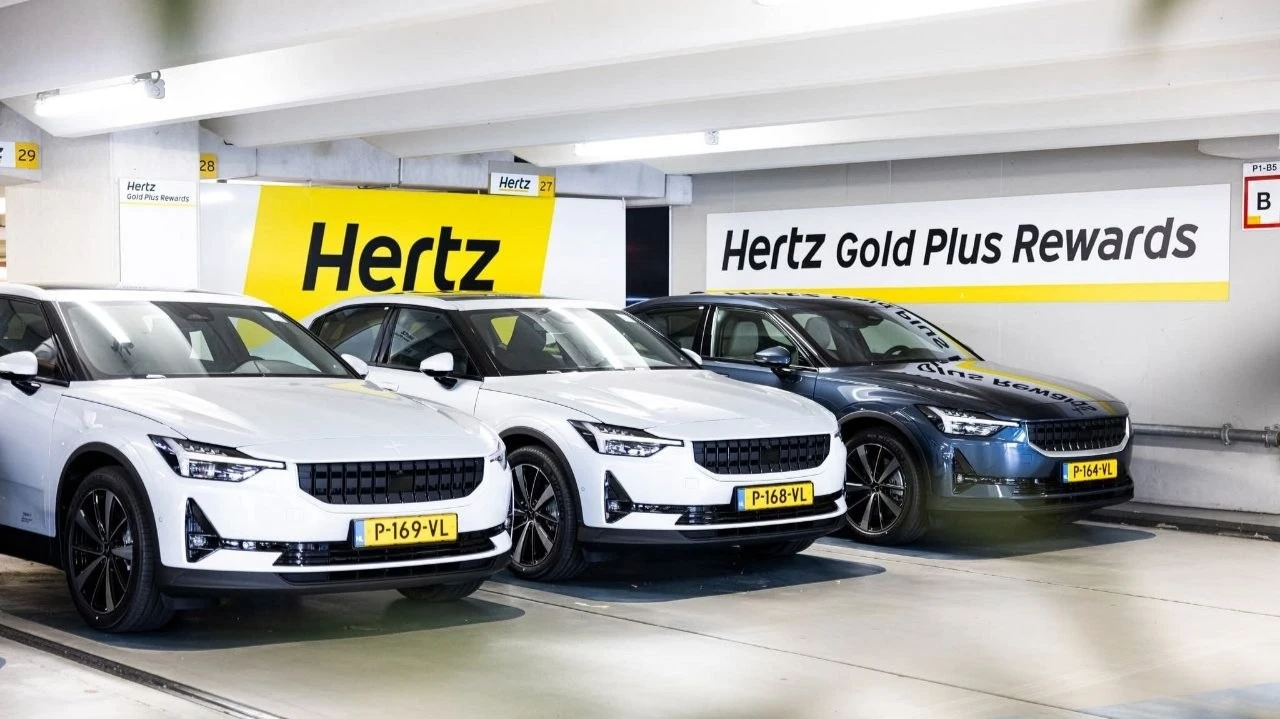
Hertz shares soar amid Uber agreement / Photo: Facebook / Hertz
Quotes of Hertz, one of the largest car rental services, soared by almost 14% on April 30. The company, once popular among fans of so-called meme stocks, announced a partnership with Uber Technologies in the field of robotaxis.
Details
Hertz shares rose nearly 14% to $6.36 on the Nasdaq on April 30. The company announced two strategic partnerships that its newly created subsidiary Oro Mobility has entered into with Uber Technologies.
According to the first agreement, Oro will manage Uber's fleet of robotaxis, their charging, maintenance, repair, and depot cleaning. Uber announced the creation of a cab service with autonomous driving in the summer of 2025. The fleet will consist of 20,000 Lucid Gravity SUVs equipped with fourth-generation unmanned systems from software developer Nuro, the company said. This service should start operating in the San Francisco Bay Area by the end of 2026, Hertz said in a press release.
Under the second contract, Oro will handle traditional fleet management on the Uber platform.
The partnership makes Oro an integrated solution in this area, expands its capabilities and positions Hertz as an important player as various mobility options evolve, according to Hertz CEO Gil West, his assessment quoted in the press release.
What's interesting about Hertz
Hertz is one of the largest car rental services, which also owns the Dollar, Thrifty and Firefly brands. In addition, the company operates the Hertz 24/7 carsharing service in Europe and Hertz Car Sales in the United States.
The Wall Street Journal calls its securities the first "meme" stock. In 2020, Hertz's stock price soared after the car rental service, hit by a coronavirus pandemic, filed for bankruptcy, with traders buying up "penny stocks" on the popular Robinhood app, causing its value to soar 896%, Bloomberg wrote. "Financial experts reacted with a mixture of bewilderment and contempt. Shareholders typically lose all their money in bankruptcy, so who would invest in such securities?" - WSJ recounted.
The excitement around the stock prompted Hertz to "do something almost unheard of for a company in bankruptcy: sell more of its stock on the exchange" to raise $1 billion, the publication recalled. Although that plan failed, the service managed to emerge from bankruptcy proceedings after a court approved a bid in 2021 that transferred control of the company to institutional investors.
Then, in 2021, Hertz "created a sensation" by announcing the purchase of 100,000 electric cars from Tesla, which helped Elon Musk's company reach a market capitalization of $1 trillion for the first time and improved the image of the rental service itself after the crisis, Tech Crunch writes. The following year, Hertz announced plans to buy up to 175,000 electric cars from General Motors and another 65,000 from Polestar. But neither of those agreements were fully realized, Tech Crunch notes. The company ended up losing $2.8 billion in 2024 by selling off used Tesla at discounted prices.
At the end of 2025, Hertz reported a revenue drop of incomplete 6% to $8.5 billion, but at the same time - a 3.8-fold reduction in net loss to $747 million. The past year was crucial in the transformation of the company, she wrote: she, for example, managed to renew the fleet of cars, and the old - to start selling through Hertz Car Sales.
What the analysts are saying
Following the agreements between Uber and Hertz, investment firm Northcoast has upgraded its rating on the car rental service from "sell" to "hold". This means that the worst-case scenario for the company's business is over, according to 24/7 Wall Street.
The partnership with Uber marks a structural shift in the company's identity from a car rental operator to a provider of critical infrastructure for next-generation transportation, Barchart points out. The publication believes the fleet management services will allow Hertz to generate highly profitable, recurring revenue while reducing its reliance on volatile car rental demand, effectively linking its growth to the fast-growing rideshare and drone sectors.
Wall Street is generally cautious about the company's prospects, with six analysts recommending a hold, three recommending a sell, and only one recommending a buy. The average target price of $4.43 implies a 30% drop in quotations from the last closing level.
