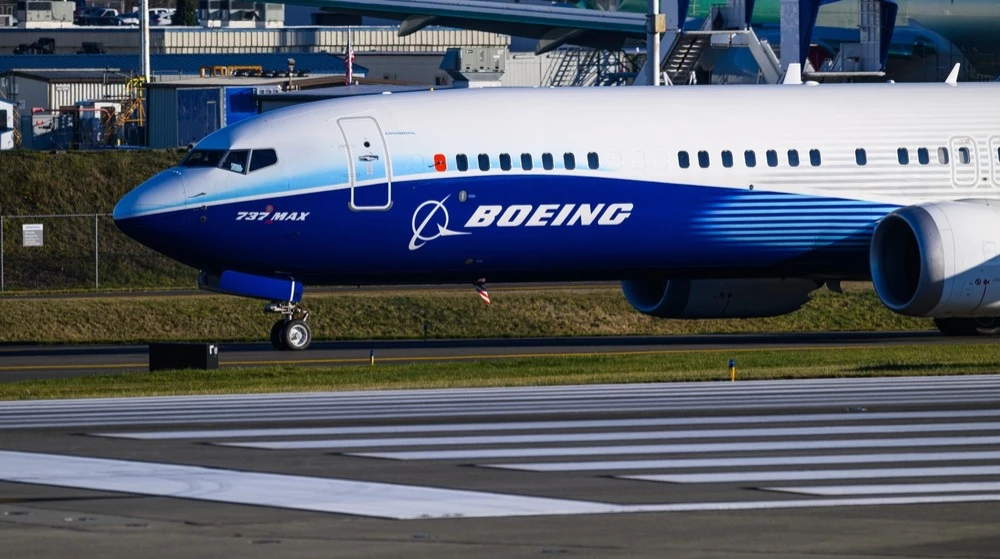
High inflation interrupted chipmakers' rally: they endured one of the worst sessions of the year
All semiconductor index members except Nvidia have fallen in price


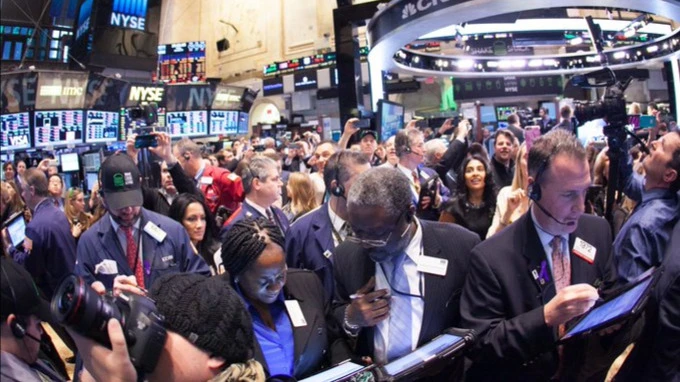
Stocks fell amid concerns over rising inflation / Photo: X / NYSE
U.S. stock indexes were pressured by a cheaper technology sector and rising oil prices on Tuesday, May 12. Traders reacted to a higher-than-expected inflation figure for April, CNBC explains. Bloomberg called this session one of the toughest of the year for chipmakers - the securities, which were among the main favorites of the market, experienced a sharp reversal.
Details
- The broad market index S&P 500 declined by 0.2%, after the previous day it set a new record and broke the 7,400-point mark for the first time in history. On Tuesday, it managed to stay above it.
- The Nasdaq Composite Technology Sector Index fell 0.7% - also off Monday's all-time high - and was down 2% at its low for the day.
- The Dow Jones Industrial Average index of blue chips was the only one of the key benchmarks to remain in plus by 0.1%.
- Russell 2000 index of small-cap companies lost more than others during the day - 1%. Against the background of high inflation, fears that the U.S. Federal Reserve will not continue to reduce rates, which will make loans demanded by small and medium-sized businesses more expensive, explains MarketWatch.
- Brent crude futures rose by 3.4% to $107.8 per barrel. Exchange contracts for WTI jumped 4.3% and traded at $102.3 per barrel.
- Gold fell 0.22% to $4,718 an ounce.
What influenced the stock
Traders are closely watching how the war with Iran affects inflation and consumer spending, which make up about two-thirds of the U.S. economy. In Ma, the consumer price index (CPI) posted its highest increase in three years, rising 3.8% on an annualized basis, the U.S. Bureau of Labor Statistics reported on May 12. This is more than the market expected. At the same time, a significant factor in the acceleration was the rise in fuel prices: the energy index in April jumped by 3.8%, and gasoline rose in price by 5.4%.
Fears of high inflation prompted investors to take profits in the technology sector, CNBC notes. The PHLX Semiconductor index, which has gained more than 60% since the start of the year, lost 3% for the day and was down 6.8% at one point - the biggest intraday decline in more than a year, Bloomberg calculated. Shares of memory maker Micron and chipmaker Intel, which helped the S&P 500 and Nasdaq Composite hit new highs on Monday, fell 3.6% and 6.8%, respectively, on May 12. Quotes of chipmaker Qualcomm collapsed by 11.5%. The only semiconductor company that closed the session in the plus was Nvidia.
At the same time, high inflation and continuing tensions in the Middle East made investors act more cautiously and switch to more protective sectors, Marketwatch wrote. The S&P 500 health care index rose nearly 2% and the consumer staples index climbed 1.5%.
Will the pause in the tech rally last long
"The chip makers' historic rally couldn't last forever," Chris Murphy of Susquehanna International Group told Bloomberg. - This selloff is long overdue after the incredible gains, but the pain is likely to be short-lived because the fear of missing out is still everywhere."
"We will see an equally strong pullback after the parabolic rally seen in the technology sector, semiconductors and AI in recent weeks," BTIG chief technical analyst Jonathan Krinsky warned clients. He believes the semiconductor index could fall about 20% as the rally looks overheated due to too much momentum.
According to D.A. Davidson managing director Gil Luria, investors have taken higher-than-expected inflation "as a signal that data center construction could slow if companies cut back on AI investments." And that would lead to lower demand for chips.
"The declines were broad-based across the [technology] sector, suggesting that investors are likely locking in profits ahead of this week's meeting between the leaders of the US and China. With chips at the center of the agenda for these talks, reducing positions gives investors a liquidity buffer in case of post-summit volatility," explains SLC Management managing director Deke Mullarkey.
What the market is waiting for from the Fed
After the publication of data on inflation, the probability of the U.S. Federal Reserve interest rate reduction soon has sharply decreased, MarketWatch points out. And the probability of an increase by the end of the year increased from 19%, recorded the day before, to 31%, according to the CME Fedwatch tool.
"The stock market is up 16.9% since March thanks to better-than-expected company reports. However, the Fed, at best, will leave interest rates unchanged, and at worst, will go for a rate hike, but not until next year," said Chris Zaccarelli, chief investment officer at Northlight Asset Management. But if company reports remain strong, the market won't need a rate cut, he added.
Despite investors' fears, some Wall Street analysts believe that the Fed will not go to raise rates in the near future, writes Business Insider. Accelerating inflation is not due to demand, but to a sharp jump in oil prices, so "there is still a long way to go before raising rates," said Bank of America economist Steven Juneau.
However, core inflation, which excludes volatile food and energy prices, has also started to accelerate, with April's figure up 2.8% year-on-year and a 2.6% increase relative to last month. This could indicate that rising energy prices are starting to affect other sectors of the economy, Business Insider notes. "General inflation is starting to affect core inflation," the publication quotes B. Riley Wealth chief market strategist Art Hogan as saying. Riley Wealth Art Hogan.
This article was AI-translated and verified by a human editor