Inflation tempered optimism: US stocks retreated from highs

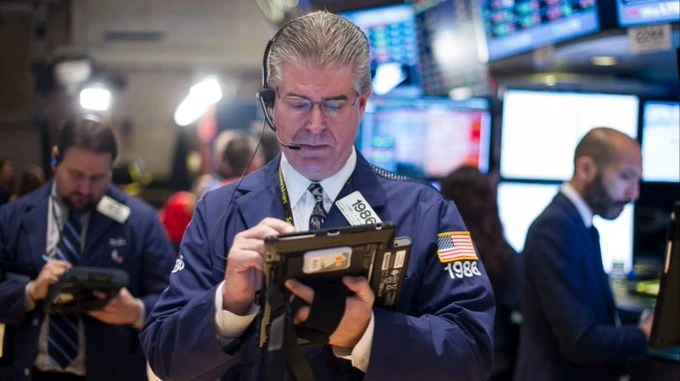
Photo: X / NYSE
The main U.S. stock indices began trading on Ma 12 in negative territory. Among other things, this was due to the growing oil quotations for the third consecutive day, lower expectations of the imminent conclusion of an agreement on the resumption of shipping through the Strait of Hormuz between the U.S. and Iran, the slowing growth of shares of chip manufacturers, as well as - accelerated inflation in the U.S. to a three-year high.
Details
Against this background, the broad index of American shares S&P 500 in the first minutes of trading fell by a little more than 0.4%, technological Nasdaq Composite - lost 0.36%, the index of "blue chips" Dow Jones - 0.65%. Index of small and medium capitalization companies Russell 2000 - decreased by 0.83%.
Prices for Brent crude oil with delivery in July on May 12 exceeded $108 per barrel for the first time in almost a week. The day before, US President Donald Trump called the ceasefire with Iran "incredibly shaky" - the arrangement is now "on artificial life support", he cited the analogy. June contracts for North American WTI also jumped nearly 3% to $101.45 a barrel after Trump's statements.
The VIX volatility index, also known as the "Wall Street Fear Index," is on the rise, adding more than 2% to 18.78 points in Ma. 12 trading - any value above 20 indicates heightened volatility in the markets.
Spot gold is losing 0.9% to trade at $4693 an ounce, while silver is down just over 1% from the previous close and is trading at $85.
What the market is saying
Despite the successful reporting season that supported positive market sentiment, the lack of progress in negotiations between Washington and Tehran remains a cause for concern for analysts. Significant growth in oil prices increases fears of accelerating inflation, writes Reuters. According to the latest data for April, the U.S. inflation - consumer price index showed the highest increase since Ma 2023. The core inflation rate (excluding volatile energy and food prices) in annualized terms also slightly exceeded economists' expectations.
"Risks are skewed toward higher-than-expected price growth, and while the overall numbers may not make a significant difference, a higher-than-forecast core [U.S. inflation] figure could at least temporarily cool market optimism," Derren Nathan, head of equity research at Hargreaves Lansdown, remarked before the macroeconomic data was released (quoted by Reuters).
The material is supplemented
This article was AI-translated and verified by a human editor