Investor's Product Set-2026: 3 Agricultural Commodities for the New Year

Chocolate, jamon, and a can of coffee are the modern equivalent of that very same New Year's table set. The difference is that now it is a stock market asset. The World Bank predicts that the agricultural price index will fall by 2% in 2026. Oninvest has compiled a list of the top three agricultural commodities that may be of interest to investors.
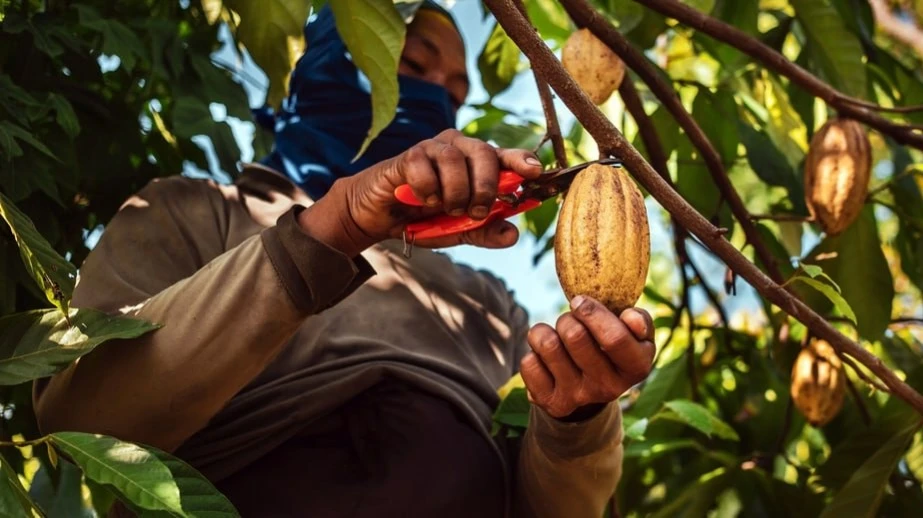
Chocolate factory: cocoa
ING analysts call cocoa one of the worst commodities on the market in 2025 — its price on the London ICE futures contract has fallen by 60% in 12 months. However, this is not a sign of trouble, but rather a signal of recovery: harvests are growing, fears about supply prospects are fading — all factors that caused commodity prices to plummet in previous years.
The 2024/25 season ended with a surplus of approximately 60,000 tons, the first surplus since 2020/21. ING experts expect that 2025/26 will also see a surplus, albeit a much more significant one of around 175,000 tons. This should contribute to a further decline in prices in 2026.
The recovery in supply and reduction in extreme volatility makes cocoa a more predictable asset while maintaining attractive prices for producers.
The producers are chocolate factories. Chocolate prices will not fall until the second half of 2026, according to analysts surveyed by Bloomberg.
ING's price forecasts are as follows: cocoa will trade at an average of just over £3,400 per tonne, which is significantly lower than 2024 and 2025 levels, but still well above historical averages. However, according to BMI (Fitch Solutions) forecasts, the average price of cocoa could reach around $7,000 per tonne in 2026, with the current spot price at $5,848, suggesting growth potential of around +20%.
JP Morgan Global Research also expects cocoa prices to remain structurally high for an extended period of time.
At the same time, Bloomberg notes that the market is increasingly taking into account the reduction in the expected cocoa surplus in the current season: in particular, Citigroup has revised its estimate of the surplus supply by 41% to 79,000 tons. Against this backdrop, cocoa is receiving support not only from fundamental factors, but also from technical flows: RBC Capital Markets analysts call cocoa the most promising commodity and point out that its re-inclusion in the Bloomberg Commodity Index (BCOM) could lead to purchases by index investors who track BCOM and rebalance their portfolios to reflect the new weights. Citigroup estimates that the inclusion of New York cocoa futures in the BCOM could attract up to $2 billion in purchases in the first days of January, which is comparable to almost 40% of open interest. An additional signal in favor of a tighter balance is Rabobank's revision of its surplus estimate: in December, the bank lowered its forecast for the global cocoa surplus to 250,000 tons from the previous 328,000 tons, making the market more sensitive to any surprises in harvest and supply.
Coffee: betting on premium
The coffee market is simultaneously affected by unpredictable weather in key producing countries, primarily Brazil and Vietnam, and, on the other hand, growing demand in the Asia-Pacific region and the expansion of the specialty coffee segment. The latter structurally supports prices even during periods of increased supply. As a result, the coffee market in 2025–2026 is likely to remain highly volatile and continue to restructure, with consequences for all participants in the supply chain.
Price forecasts vary: the USDA believes that prices will continue to rise, given that Brazilian exports fell by more than 20% in the first half of 2025. The World Bank has a different position : according to their estimates, prices will gradually begin to decline, although without a sharp collapse. This is mainly due to the recovery of Arabica harvest volumes.
According to World Bank analysts' forecasts, prices will fall by 13% in 2026, and the downward trend will continue.
Another variety, Robusta, behaved more unpredictably in 2025: between February and July, prices rose by 40%, but then fell against the backdrop of a successful harvest in Vietnam. The total annual increase was 10%, according to World Bank experts. Their further forecast is that the price of this variety will decline slightly in 2026-2027 amid increasing supply. At the same time, the medium-term trend until 2030 is for prices to rise.
Coffee remains one of the most structurally supported markets in 2026. We expect the supply shortage to continue in the short term, while growing demand for robusta from roasters is reinforcing price stability. This makes the coffee market attractive to investors willing to work with volatility for higher potential returns.
Pork: market under pressure
In early December, a third of Spanish pork export certificates were blocked by foreign governments. Spain, the EU's largest pork producer, experienced an outbreak of African swine fever. In addition to local outbreaks of disease, pork prices were affected by the trade war between the US and China. In key production regions, including the EU and North America, pork stocks have declined, leading to price increases of 10% and 21% since the beginning of the year, respectively, according to Rabobank analysts. At the same time, pork prices in China fell by 42% year-on-year thanks to increased production efficiency.
BMO Capitals forecasts growth of more than 12% from the current price.
The general trend is that pork prices will remain high, as demand is outstripping supply in most markets. Rabobank experts believe that although pork consumption remains stable, inflationary pressure may weaken sales at the beginning of the year. The limited global supply of beef and chicken is a positive factor for pork. As a result, demand for pork will remain high, but not for all products: premium and export-oriented product categories may face price pressure.
Against this backdrop, Brazil could become a gold mine for retail investors in this market. The country is steadily strengthening its position as the global leader in the pork market and is likely to become the only major producer to increase its sow herd in 2026 (forecast: 3–4%). This reflects the confidence of producers and contrasts sharply with the situation in other countries, where the industry is mostly stagnating or declining.
This means that investments in local meat processing companies could be potentially profitable — for example, in Marfrig Global Foods S.A. shares, which in September closed a deal to purchase BRF S.A., thereby creating a company with consolidated revenues of more than $28 billion.
Not an investment recommendation
This article was AI-translated and verified by a human editor