IPO of Seaport Therapeutics: shares of the antidepressant developer become available

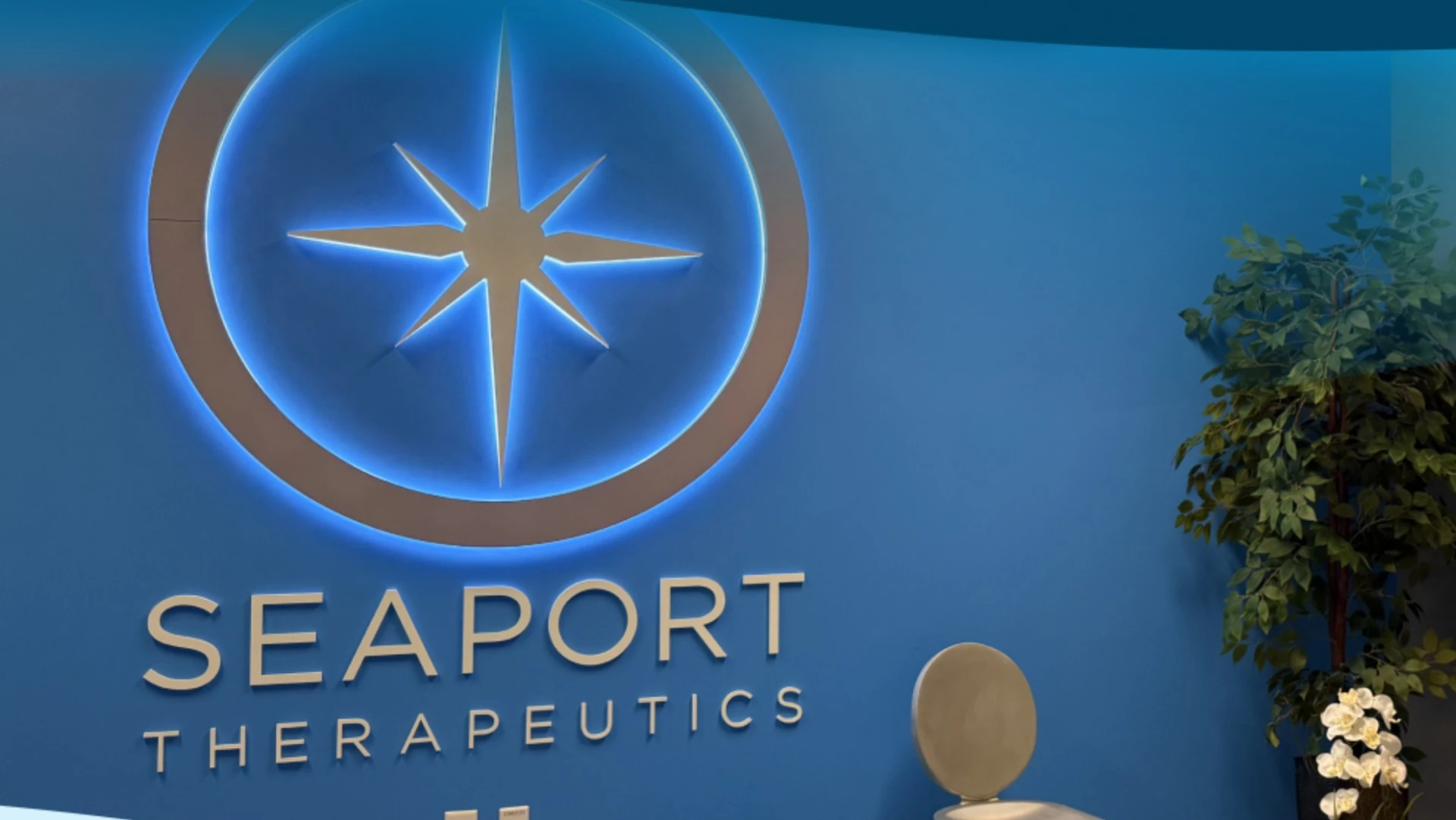
Seaport Therapeutics shares become available / Photo: Seaport Therapeutics
Preliminary trading in shares of Seaport Therapeutics, which develops new drugs for patients with depression, anxiety disorders and other neuropsychiatric conditions, has begun on the Freedom client trading system. The company's lead drug candidate, GlyphAllo, is being developed for the therapy of major depressive disorder. Seaport Therapeutics' securities will appear on the Nasdaq under the ticker SPTX later on Ma. 1.
Details
Biotechnology company Seaport Therapeutics has successfully raised $255 million in an IPO. The company placed 14.16 million shares at $18 per paper, which corresponds to the upper limit of the previously announced price range.
Demand for the shares turned out to be higher than Seaport expected, Bloomberg notes: it was originally planned to offer 11.8 million units in the same price range. According to the agency's sources familiar with the situation, the order book was significantly oversubscribed.
Based on the results of the IPO, the value of the entire company can be estimated at $912 million, Bloomberg writes.
The listing was organized by Goldman Sachs, JPMorgan, Leerink Partners, Citigroup and Stifel.
What the company is notable for
Boston-based Seaport Therapeutics was founded in 2024 by biopharmaceutical company PureTech Health.
Before the IPO, Bloomberg pointed out, it owned almost 50% of Seaport. Since its founding, according to the company's filings with the U.S. Securities and Exchange Commission, it has raised $325 million from leading investors in the life sciences. Among Seaport's largest shareholders were Arch Ventures Partners, which owned 13.4% of the company, and General Atlantic with an 8.6% stake.
Following the IPO, the prospectus says, the former group of shareholders will own approximately 71.6% of Seaport's outstanding voting shares (assuming no exercise of the underwriters' option to purchase additional securities), with PureTech Health remaining the largest shareholder with a stake of approximately 32.9% of the common stock.
Seaport specializes in the development of oral (as tablets, capsules, and dragees) drugs for the treatment of depression, anxiety, and other neuropsychiatric disorders. Its lead development is the drug candidate GlyphAllo, designed for the therapy of major depressive disorder, writes Reuters. It is in Phase 2 clinical trials, with results to be announced in early 2027.
In addition, in April, the company reported positive results from early-stage trials of another of its developments - for the treatment of generalized anxiety disorder, Bloomberg noted.
Seaport is led by Daphne Zohar, co-founder of biotech firm Karuna. It was this company that created Cobenfy, a drug for the treatment of schizophrenia, now owned by Bristol Myers Squibb, writes Fierce Biotech.
As of early 2026, Seaport had $233.7 million of the previously raised $325 million investment at its disposal. With these funds and the proceeds from the IPO, the company announced that it will allocate $121 million to advance and continue trials of GlyphAllo, writes Fierce Biotech.
Biotech's net loss for last year increased by almost 60% to $74.9 million, Seaport said in its prospectus. The company has not yet received revenues from product sales, as of December 31, 2025, the document says.
What the market is saying
The company is well capitalized, backed by top-tier life sciences venture capital funds and run by an experienced management team, says IPO expert Donovan Jones in a note on Seeking Alpha. Nevertheless, Seaport faces the typical clinical, commercial and competitive risks typical of similar companies, he notes. Given the positive trial results, strong investor mix and competent management, Seaport's IPO is likely to generate significant interest from institutional investors in the life sciences space, Jones says.
Freedom Finance analyst Alem Bektemirov reports that he expects that the first commercialization of Seaport's product could begin by 2030, given the current phase of clinical trials. He pointed out that the company's developments have already shown good results in trials.
At the same time, the expert highlights a number of significant risks. First of all, the company currently has no sales revenue, and any regulatory tightening or delays in obtaining approvals can completely stop the commercialization of the product line, he warns. In addition, the risk of capital shortages remains. Despite current cash reserves, Seaport may require additional funding in the future to continue research. If the company is unable to attract new investment, it will have to postpone or completely eliminate its major development programs.
Freedom Finance's target price for Seaport Therapeutics' securities is $24 per share - which implies they are up 33% relative to their offering price.
_______________________
Freedom clients will be able to get access to Seaport Therapeutics shares before the opening of the main exchange session. Trading will begin in the early pre-market format 2-3 hours before the U.S. exchanges open (from 15:30-16:30 Astana time). To participate, click on ticker SPTX.
This article was AI-translated and verified by a human editor