Iran has proposed a new plan for the Strait of Hormuz to the U.S. - Axios. Oil - above $107

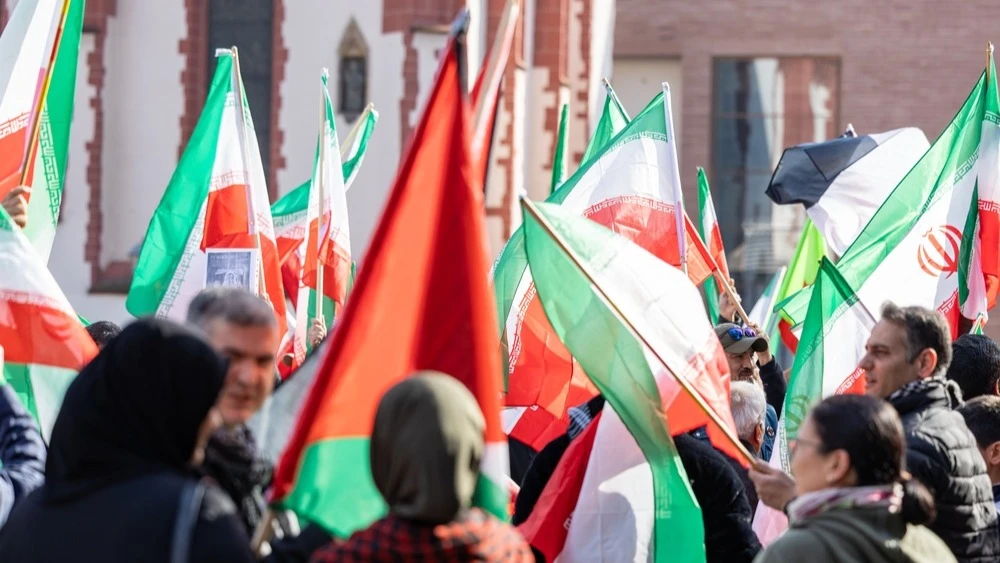
Iran has handed over a new proposal to the US as part of the dialog on ending the war in the Middle East / Photo: RichieSanders/Shutterstock
Iran has handed the United States a new proposal within the dialog on ending the war in the Middle East: to open the Strait of Hormuz and end the conflict by postponing nuclear talks to a later stage, an unnamed U.S. official and two sources familiar with the situation told Axios. However, these reports managed to slow the growth of oil prices, which fell to $106 per barrel on April 27 only briefly - at the time of publication Brent jumped back above $107.
Details
The essence of Iran's new proposal, conveyed to the US through Pakistani mediators, boils down to the priority lifting of the US blockade on Iranian ships and ports and the opening of navigation through the Strait of Hormuz. The plan implies either a longer-term ceasefire or a final end to the war, Axios quoted sources as saying.
At the same time, Tehran suggests that negotiations on Iran's nuclear program should be placed in a separate block and discussed later - after the lifting of the U.S. offshore oil blockade of Iran. Washington, in turn, wants Iran to suspend uranium enrichment for at least a decade and remove already enriched uranium from the country, Axios recalls.
According to Axios' interlocutors, the White House has already received the Iranian plan, but Washington's willingness to consider it remains in question. White House spokeswoman Olivia Wales did not confirm or deny receipt of the document in a comment to the publication: "These are sensitive discussions, and the United States will not negotiate through the press. <...> We will only go for a deal that puts the interests of the American people first and prevents Iran from obtaining nuclear weapons," she said.
Representatives of Pakistan's military and foreign ministry declined to comment.
What's happening in the markets
Ahead of the publication of Axios, oil prices rose in Asian trading on Monday, April 27, as a stalemate in peace talks between the United States and Iran prolonged disruptions in energy exports from the Middle East, Reuters points out. Brent crude futures rose more than 2% to $107.97 a barrel, while WTI crude also jumped nearly 2% to around $97 a barrel. After the publication of Axios, investor sentiment improved, Bloomberg notes, but oil prices slowed down only briefly. At the time of publication, Brent with delivery in June is again trading at $107.56 per barrel, WTI costs $96.21.
Japan's Nikkei 225 index rose by 1.4% on April 27, hitting an all-time high, while South Korea's Kospi jumped by 1.83%, also reaching a new peak. Reuters attributes the dynamics to a new wave of optimism about artificial intelligence.
Futures on U.S. stock indices on Monday, meanwhile - in a slight minus: futures on the Dow Jones fell by 0.2%, the S&P 500 and Nasdaq 100 - by 0.1% and 0.06%, respectively. Last Friday, the S&P 500 and Nasdaq Composite indices closed at record levels, adding 0.8% and 1.63%, respectively. At the same time, the Dow Jones Industrial Average declined slightly by 0.16%.
Meanwhile, bitcoin rose by 1.6% on April 27, reaching $79,488 - the highest level since January 31 (the last time the price held above $80,000 was then), Bloomberg notes. The rate subsequently corrected to $79,100. Etherium, the second-largest digital asset, also added 1.7%.
Why it's important
Negotiations between the US and Iran reached an impasse over the weekend. According to an Axios source, Iranian Foreign Minister Abbas Araghchi, in his talks with mediators, admitted bluntly that there is no consensus within the Iranian top brass on how to respond to Washington's demands
Trump is expected to hold a meeting on Iran with his national security and foreign policy team on Monday, April 27, three US officials told Axios on condition of anonymity. One of the sources said Trump's team will discuss the impasse in negotiations and possible next steps.
In an April 26 interview with Fox News, Trump signaled that he intends to continue the naval blockade of Iranian ships and ports in the Strait of Hormuz in hopes that it will force Tehran to make concessions in talks with Washington in the next few weeks.
This article was AI-translated and verified by a human editor