JPMorgan discounted loans to software developers. How does this threaten the stock market?
The largest U.S. bank will cut back on the amount of funding it provides to private lending funds secured by the business loans they issue

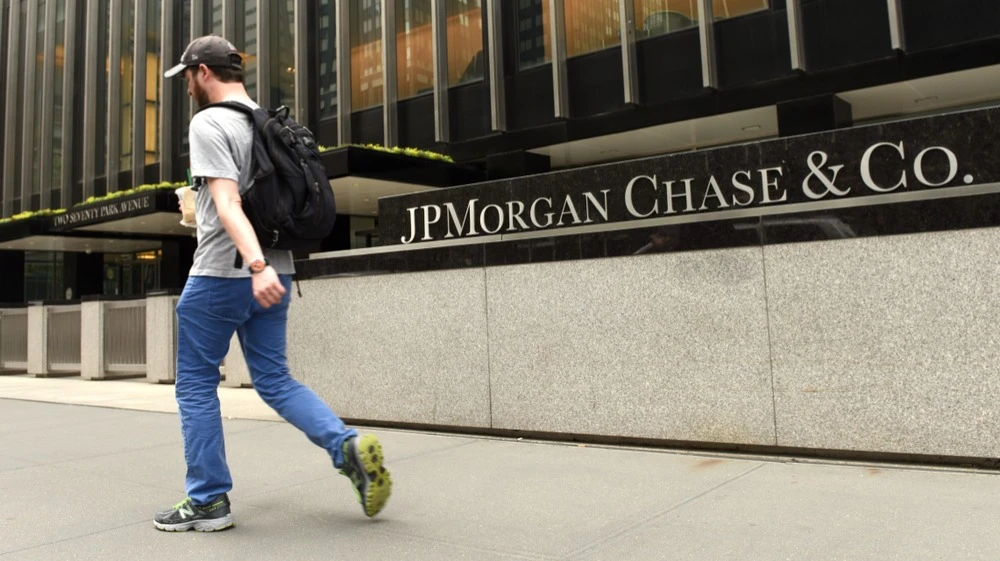
JPMorgan Chase executives warn of "cockroaches" in the private credit sector starting in the fall of 2025 / Photo: Bumble Dee/Shutterstock.com
JPMorgan Chase, Wall Street's largest bank, has preemptively limited the amount of bank financing available to private credit funds amid the "soft apocalypse," the Financial Times reported, citing sources. For the stock market, this is a signal of the deteriorating financial health of the IT sector and a harbinger of the coming revaluation of corporate debt.
Details
JPMorgan Chase began discounting the value of loans in the portfolios of private credit funds, which serve as collateral for attracting bank financing, said the interlocutors of the FT. According to them, the discounting affected the loans issued by funds to software developers - their business models were particularly vulnerable to the large-scale introduction of tools based on artificial intelligence.
JPMorgan's decision means the bank has cut back on the amount of financing it provides to private loan funds secured by their loans. This is an important signal: conservative Wall Street giants are beginning to seriously fear the rapidly swelling private lending industry, where non-bank lenders have become the primary sponsors of high-risk businesses, the article said.
Discounts in collateral valuation did not lead to margin calls for funds: by reducing the amount of credit lines available to funds, JPMorgan was being proactive, one of the sources said. In turn, senior managers in the private lending sector told the FT that they had not yet encountered such an approach from other banks. One fund manager told the UK publication that JPMorgan is rarely "out of line and this is the first time we've had a small problem".
Context
Concerns about hidden threats in the $1.8 trillion non-bank lending market have been brewing for a long time. Back in October 2025, JPMorgan CEO Jamie Dimon warned that more "cockroaches" were bound to emerge in the sector. Since then, many market participants have preferred to turn a blind eye to concerns about rising default rates and potential systemic risks. However, in recent weeks, fears on Wall Street have intensified due to the impact of AI on borrowers' businesses and doubts about the adequacy of their valuations, Bloomberg states.
Against the backdrop of growing nervousness, investors have started to withdraw funds en masse, and funds are coping with this in different ways. If the flagship credit fund Blackstone in early March has made it easy for clients and promised to pay the money, its competitors are forced to "tighten the screws": BlackRock, due to a sharp influx of applications, has limited capital outflows, allowing to withdraw only 5% of investments from its fund with assets of $26 billion. The situation is aggravated by the fact that back in February, the fund Blue Owl Capital suspended quarterly payments and began to urgently sell off its assets to find cash to repay investors.
This article was AI-translated and verified by a human editor