Let's imagine that SpaceX, OpenAI and Anthropic entered the S&P 500. What risks would this create?

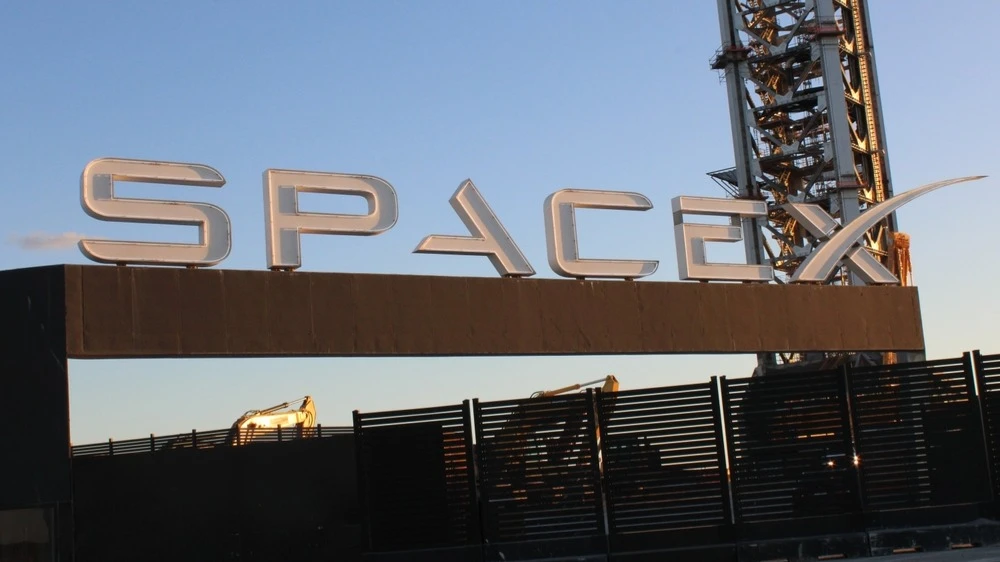
If included in the index, SpaceX would be among the "Great Eight" companies by market value / Photo: Findaview / Shutterstock.com
How will the main index of the U.S. stock market S&P 500 look like if SpaceX, OpenAI and Anthropic, which are preparing the most anticipated IPO of the year, are added to it? This hypothetical question was asked by the editorial staff of Seeking Alpha. Here is the conclusion it came to:
"The mega-IPOs of SpaceX, OpenAI and Anthropic, based on their current valuations, could significantly alter the structure of the S&P 500, increasing concentration risk and further entrenching the market's dependence on the topic of artificial intelligence," the article says.
At the end of March, the S&P 500 Index had a total capitalization of approximately $57.6 trillion, of which more than 36% was held by just the 10 largest companies, led by Nvidia, Apple and Microsoft. At current valuations, the hypothetical inclusion of SpaceX, OpenAI and Anthropic in the index would increase its capitalization to $60.3 trillion after excluding several weak tech companies, Seeking Alpha writes. The publication names Salesforce, Workday, Intuit and The Trade Desk as candidates for elimination in this scenario.
In this scenario, the combined share of the three new index entrants would be about 5.2%. SpaceX would be among the "Magnificent Seven" - or already the "Great Eight" in terms of market value. The share of the 10 largest companies in the index would exceed 40%. Analysts have long warned that this is a risky level of concentration for investors, given that all of the largest companies are more or less related to infrastructure for artificial intelligence.
For example, Apollo Global Management chief economist Thorsten Slack argued that risks to investors have increased significantly because of the Magnificent Seven. He said the high concentration of investment in tech companies means that the entire broad market is increasingly dependent on investor optimism about AI. If the AI bubble continues to inflate, the consequences could be even more serious than during the dot-com crash. Slack urged investors to consider whether to continue investing in Magnificent Seven stock or look for a different way to invest in AI.
Another problem Seeking Alpha points out: with a standard free float of 15-25%, investors tracking the S&P 500 index would have to invest $432-576 billion in SpaceX, OpenAI and Anthropic. That's significantly more than the combined size of all U.S. IPOs over the past decade.
The good news is that the rules for getting into the S&P 500 - including profitability requirements and the post-IPO "maturation" period - mean that such changes can't happen overnight, the publication concludes.
Unlike many other indices, there is no expedited process for inclusion in the S&P 500. A company must meet a number of criteria, including a market capitalization of at least $22.7 billion, registration in the United States and public company status for at least 12 months. A special committee decides on inclusion. However, Bloomberg, citing sources, wrote that S&P index operator Dow Jones Indices is considering changing the rules to speed up the appearance in the S&P 500 Elon Musk's space company SpaceX after its IPO.
This article was AI-translated and verified by a human editor