Lilly and Novo will cut the price of obesity drugs in the US. What will they get in return?

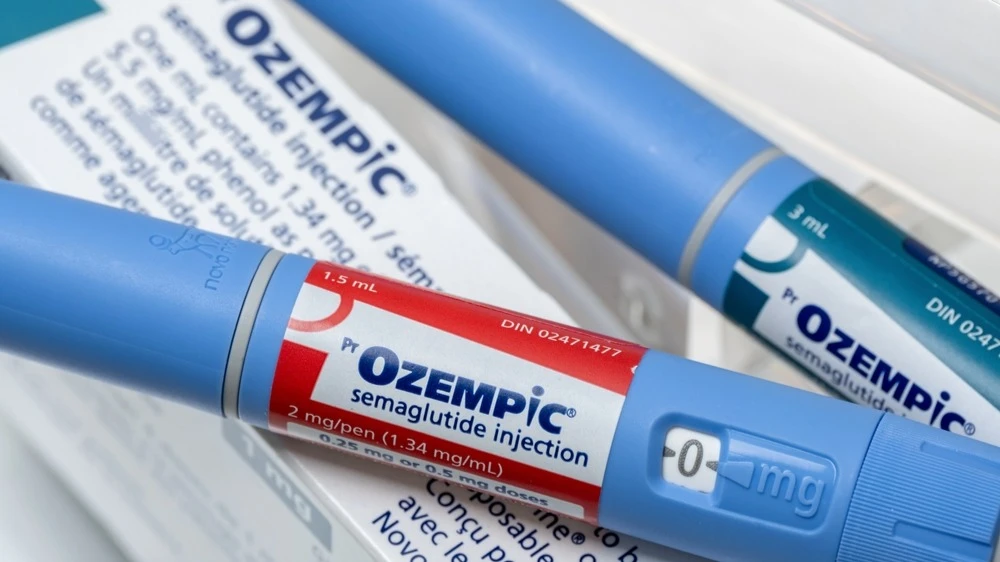
Developers of diabetes and obesity drugs Eli Lilly and Novo Nordisk have reached agreements with the administration of US President Donald Trump, the two companies announced on November 6. Under the terms of the deal, the pharmaceutical manufacturers will reduce the prices of their popular drugs.
"This is a victory for American patients that will save lives and improve the health of millions and millions of Americans," Trump told reporters at the White House at an event where the deal was announced(quoted by Bloomberg).
What Eli Lilly and Novo Nordisk will receive
Under the terms of the deal, Eli Lilly and Novo Nordisk will receive a three-year reprieve from Trump's new duties on drug imports, the companies said in press releases.
In addition, the companies' weight-loss drugs will be included in coverage under Medicare, a government health insurance program for older Americans that helps pay for medical treatment. Previously, Medicare did not cover weight loss drugs. However, starting in 2026, Medicare and Medicaid patients who are obese and have comorbidities including prediabetes and heart failure will be able to purchase Zepbound and Wegovy injections for $245 per month. For Medicare members, the co-payment will be $50 per month.
In a statement, Lilly said Zepbound injections will be available directly from the company for $299 per month for the minimum dosage when paid in cash. The company has already offered starter doses of Zepbound at that price through its own LillyDirect platform. Novo sells Wegovy for $499 per month through its NovoCare platform.
By comparison, current retail prices for these drugs in the U.S. exceed $1,000 per month, Bloomberg writes.
Manufacturers will also get priority consideration for their future tablet forms of weight loss drugs. If approved by regulators, the minimum-dose pills will cost $149 per month. Both companies said they plan to bring their pills to market in 2026, and promised to manufacture them in the U.S.
How did the stock react
In trading in New York on November 6, Eli Lilly shares added 2.6% amid a broad market sell-off. Novo Nordisk shares were down 4% after the company cut its revenue and operating profit forecast for 2025 for the fourth time this year.
Context
The Lilly and Novo agreements followed similar moves by Pfizer, AstraZeneca and Germany's Merck KGaA, which were also trying to avoid tougher regulation and criticism from Trump and Health Secretary Robert F. Kennedy Jr. recalls Bloomberg.
This article was AI-translated and verified by a human editor