Long-haul flights have gone up $100 per person because of the war in Iran. What about tickets?
Jet fuel prices have doubled in recent weeks

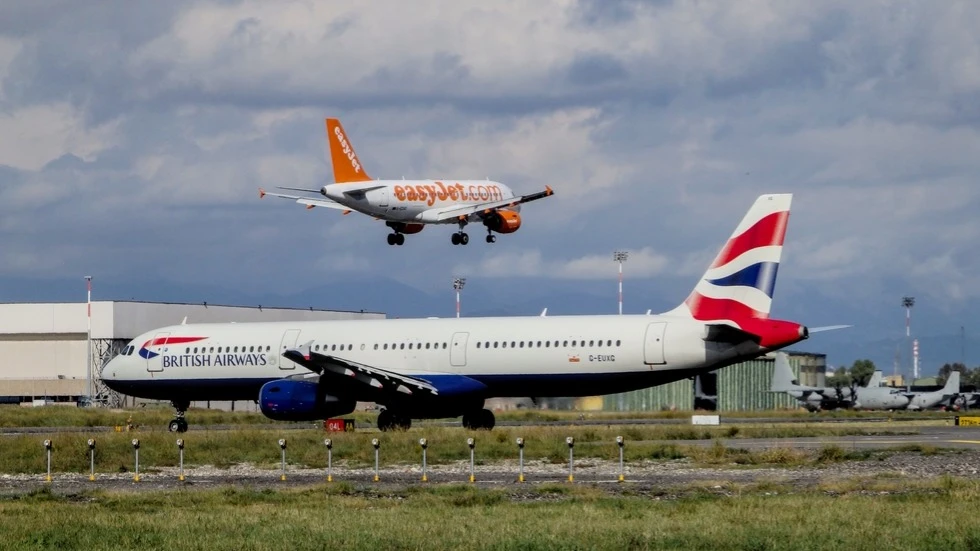
About 30% of Europe's jet fuel imports depend on supplies through the Strait of Hormuz / Photo: FrancescaPagliara/Shutterstock.com
Disruptions in the supply of oil and oil products caused by the crisis in the Middle East have increased the cost of long-haul flights from Europe by more than $100 per passenger, which could trigger further increases in ticket prices, the environmental organization Transport & Environment (T&E) said. The study emphasizes that the industry will need to significantly reduce the number of ultra-long-haul flights to compensate for the resulting fuel shortages.
Details
In the first month and a half of the Iranian crisis, soaring jet fuel prices increased air carriers' fuel costs by an average of €88 ($104) per passenger on long-haul flights from Europe and by €29 on flights within the region, according to T&E's "The Iranian Crisis: A Moment of Truth for European Aviation," published April 21. In particular, fuel costs on flights from Barcelona to Berlin increased by €26 per passenger carried and from Paris to New York by €129, T&E calculated.
Airlines are optimizing their network by reducing the frequency of less popular flights and combining underloaded domestic departures. Due to closed skies, Middle Eastern destinations are being canceled in favor of direct long-haul flights to Asia and additional routes in Europe. In an effort to reduce overcapacity, carriers are writing off the least efficient airplanes ahead of schedule. At the same time, the "absurd" situation with ultra-short flights persists: even at the height of the crisis, flights between Brussels, Paris, Amsterdam and London are operated on a daily basis, the survey says.
However, canceling only these short flights would not yield meaningful fuel savings, as the real benefit lies in the ultra-long haul, T&E points out. A flight from Amsterdam to Singapore burns about 15 times more fuel per passenger than a quick flight from Brussels to Paris. Reducing the number of flights over 6,000 kilometers by 90% could fully offset the jet fuel supply lost due to the closure of the Strait of Hormuz, the study notes.
How prices are rising
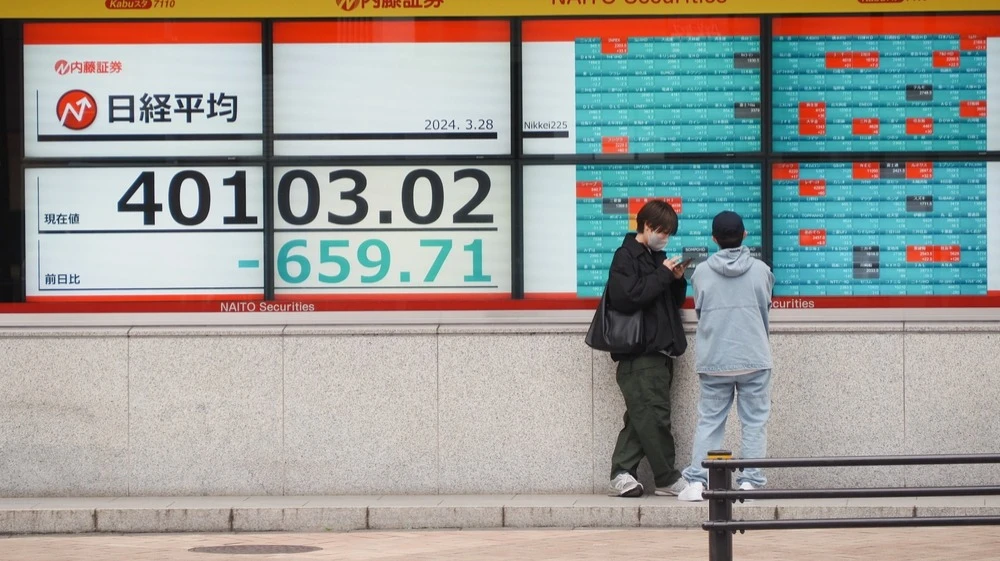
According to Reuters, jet fuel prices have soared from $85-90 to $150-200 per barrel in recent weeks. Rising fuel costs for airlines - up to 25% of their total costs - are already leading to the introduction of additional charges on domestic and transatlantic flights. Tickets went up 2.7% in March alone, and nearly 15% compared to the same month in 2025, traveler-focused portal NomadLawyer reported.
"Airfares will rise another 5-10%, with fuel surcharges already starting to be introduced. However, weak demand will limit [airlines'] ability to shift costs to consumers," Tourism Economics economist Stephen Rooney noted on April 10.
What's next?
A surge in jet fuel prices triggered by the crisis over Iran has already hit the industry hard, a Reuters poll showed. British low-cost carrier EasyJet warned of a pre-tax loss of £540 million-560 million ($731 million-758 million). Airlines are urgently raising fares to offset the increased costs. Air France-KLM will increase prices on long-haul flights by €50, while German-Turkish SunExpress is introducing a €10 levy. Portugal's TAP is also raising ticket prices to protect its profitability. IAG, the holding company for Britain's British Airways and Spain's Iberia, has so far managed to keep prices down through hedging, Reuters reports.
In addition to the rise in ticket prices, the fuel crisis is forcing European airlines to massively reduce their flight programs. Scandinavian SAS had to cancel 1,000 flights in April, although in March it removed only "a couple of hundred" flights from its schedule. Netherlands-based KLM will cancel 160 flights in Europe over the next month. Germany's Lufthansa will early suspend flights of 27 CityLine airplanes and retire four long-haul airliners, and will reduce its fleet by another five airplanes on short- and medium-haul flights in winter.
This article was AI-translated and verified by a human editor