Main by morning: G7 may tap oil from reserves, investors are hedging

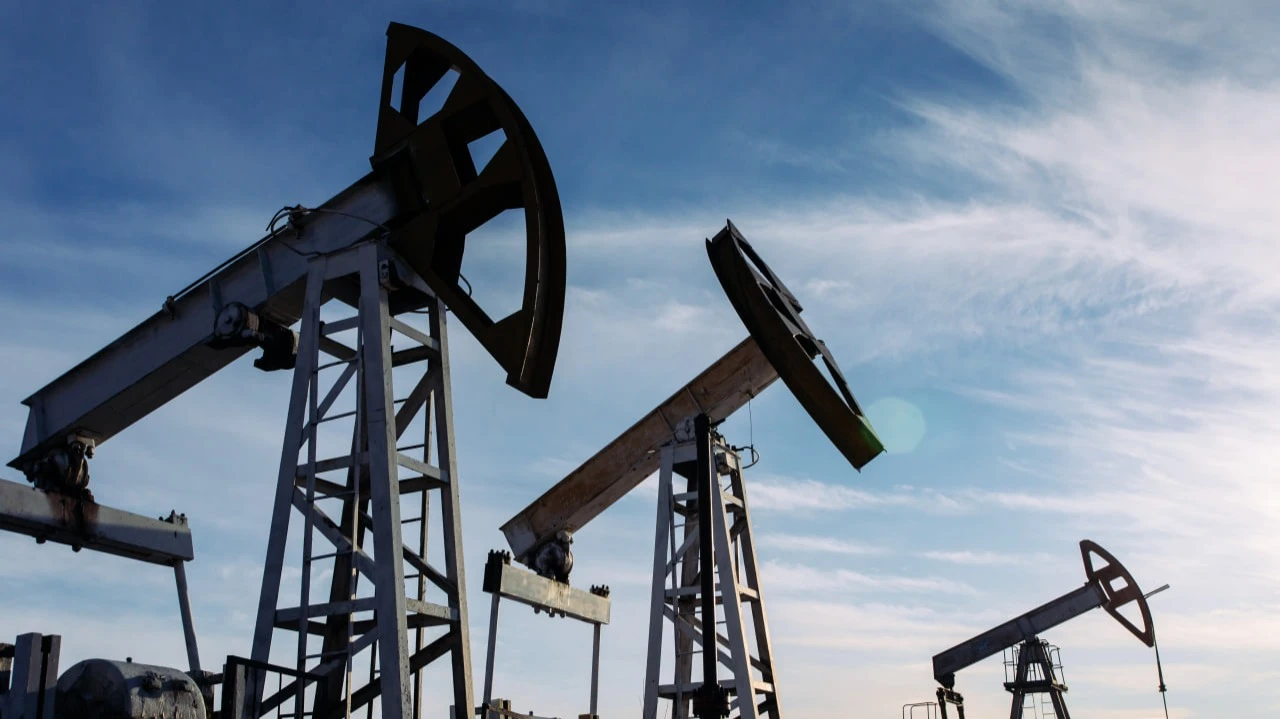
Oil prices rose by 30% in early trading / Photo: Andronov86 / Shutterstock.com
The escalating war with Iran has sent oil futures above $110 a barrel due to supply disruptions across the Strait of Hormuz and attacks on energy infrastructure. Against this background, the G7 is going to consider the possibility of printing strategic oil reserves to stabilize prices. These and other topics - in our review of key events for the morning of March 9.
G7 to consider emergency release of oil from reserves amid price spike
Finance ministers of the G7 countries will hold an emergency meeting with the International Energy Agency to discuss a possible joint release of oil from strategic reserves amid a sharp rise in prices, the Financial Times reports. According to sources, some of the countries support the idea of using about 300-400 million barrels from the total reserves, which the IEA member countries have more than 1.2 billion barrels.
Oil prices reacted to this message by slowing down after the morning of March 9 exceeded $110 per barrel for the first time since the beginning of the conflict in Ukraine in 2022, Bloomberg reports. In general, since the beginning of the Iranian operation, futures for the Mark Brent have added more than 50-60%, the agency calculated.
According to analysts quoted by Bloomberg, the virtual closure of the Strait of Hormuz has already blocked up to 16 million barrels per day in the market, while attacks on energy infrastructure and production cuts, which oil-bearing countries in the region have begun to warn about, could exacerbate the shortage and push prices to $150 per barrel.
Soaring oil costs are amplifying inflation risks and weighing on markets, and major importers - including China, India, Japan and European countries - remain particularly vulnerable to price shocks, the FT notes.
Iran has chosen a new leader
Iran has chosen Mojtaba Khamenei, the son of the deceased Ayatollah Ali Khamenei, as its new supreme leader, with the Islamic Revolutionary Guard Corps pledging its full support. U.S. President Donald Trump has previously said he would not be satisfied with the candidacy.
The fighting, meanwhile, continues to expand, with Iran launching missile and drone strikes against Israel and the Gulf states, and Israel attacking energy infrastructure and fuel storage facilities in Iran, Bloomberg reports.
Hedge funds ramp up bets against the US market
Hedge funds are actively increasing bets on the fall in U.S. stocks amid escalating conflict in the Middle East and growing concerns about the cost of oil and rising inflation, Bloomberg writes. According to Goldman Sachs, short positions in exchange-traded funds on stocks increased by 8.3% in the week ended March 6, one of the sharpest jumps in five years. Last week, the S&P 500 index lost 2% and the VIX volatility index rose to its highest level since April.
At the same time, investors are not completely withdrawing from the market: for the first time in five weeks, hedge funds have increased their investments in individual stocks in an attempt to take advantage of lower prices, Goldman notes.
Palm oil and grains rise in price due to war in Iran
Prices for agricultural commodities also rose sharply amid the conflict in the Middle East: palm oil jumped by almost 10%, soybean oil - by 5%, and the cost of wheat approached the maximum for two years, Bloomberg writes.
The rally is due to rising oil and fertilizer prices, as well as fears of food supply disruptions. Expensive oil increases demand for biofuels from agricultural crops, which supports prices for vegetable oils and corn, the agency explains. The situation has been exacerbated by the virtual closure of the Strait of Hormuz, a key route for fertilizer trade.
Four AI and tech companies will join the S&P 500 index
Vertiv, Lumentum, Coherent and EchoStar will join the S&P 500 Index starting March 23, S&P Dow Jones Indices said, MarketWatch reports. These are companies from the fields of AI infrastructure, optical networks, satellite communications and data centers, segments that are growing strongly amid the artificial intelligence boom.
Lumentum and Coherent, formerly part of the S&P MidCap 400 Index, received "upgrades" after a surge in capitalization to about $40 billion to $44 billion. Inclusion in the S&P 500 increases the companies' access to investors, as their shares begin to be automatically bought by index and institutional funds, the publication notes.
What's in the markets
- Japan's broad Topix index was falling 3.8% at the time this text was published, while the Nikkei 225 was down 5.2%.
- Hong Kong's Hang Seng was down 1.7 percent, while mainland China's CSI 300 index was down 1.3 percent.
- In South Korea, the Kospi index collapsed 6.5 percent and the Kosdaq fell 4.5 percent.
- Australia's S&P/ASX 200 lost 2.9 percent.
- S&P 500 futures were down 1.6 percent, Nasdaq Composite futures were down 1.7 percent and Dow Jones Industrial Average exchange-traded contracts were down 1.8 percent.
This article was AI-translated and verified by a human editor