Meta could get up to 10% of revenue from fraudulent advertising - Reuters. Shares fell

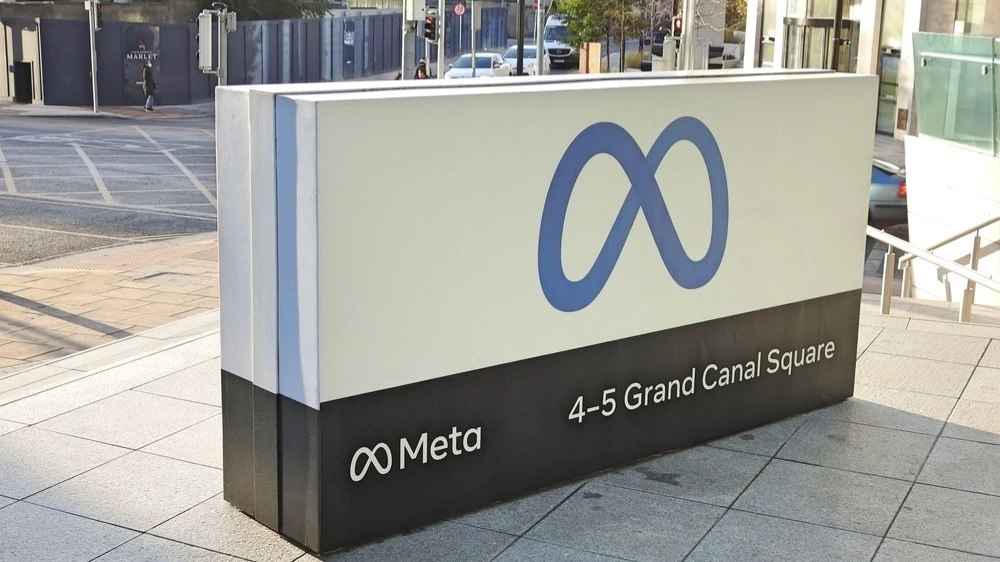
Meta expected to receive up to 10% of revenue from advertising fraudulent schemes and prohibited goods in 2024, according to internal documents reviewed by Reuters. According to them, at the end of last year the company predicted that revenues from such ads would amount to $16 billion, the agency writes. Meta's 2024 report shows that its revenue reached $153.04 billion, with 98% provided by advertising revenues.
Meta shares fell by 2.5% in trading on November 6. Since the beginning of the year, the company's value has increased by about 6%.
Details
Materials that have come into the possession of Reuters show that for at least three years, social networks Facebook, Instagram and WhatsApp have been showing users a massive stream of ads related to fraudulent online sales and investments, illegal casinos and illegal medical products, the agency wrote. One of the documents for December 2024 notes that users of the platforms see about 15 billion "high-risk" ads containing signs of fraud every day. From this category, Meta could allegedly generate about $7 billion in revenue annually, Reuters suggested.
According to the agency, most of these ads come from advertisers that Meta's internal algorithms mark as suspicious, but the company blocks them only if the systems estimate the probability of fraud at more than 95%. If the confidence is lower but the risk is high, Meta raises the cost of advertising for such clients to dissuade them from placing ads.
According to Reuters, amid growing regulatory pressure over social media fraud, the company's management presented founder Mark Zuckerberg in October 2024 with a plan described as a "moderate approach" to combat such advertising. Instead of drastic measures, it was proposed to focus on those countries where management expected the most likely inspections and sanctions, according to an internal document cited by the agency. After a meeting with Zuckerberg, the goal was set - to reduce the share of revenue from such ads from the expected 10.1% in 2024 to 7.3% by the end of 2025. And by the end of 2026, the company plans to reduce this figure to 6%, the documents said.
It acknowledges that regulatory fines are inevitable and estimates potential penalties of up to $1 billion, according to a filing cited by Reuters, but those fines, according to another document dated November 2024, are well below the potential revenue from risky advertising.
A company spokesperson told Reuters that the materials in question "represent selective information that misrepresents Meta's approach to combating fraud and scams," saying an internal estimate of revenue from questionable ads was "approximate and overly broad." The company later determined that the actual amount was lower because "many" legitimate ads had been included in the initial calculations. A spokesperson for Meta added that "this assessment was conducted to verify planned investments in integrity - including the fight against fraud and scams" and this spend has been carried out.
The U.S. Securities and Exchange Commission, as well as the British regulator, did not respond to the agency's inquiries.
This article was AI-translated and verified by a human editor