Micron to buy plant from Taiwan chipmaker for $1.8 billion, its shares soar

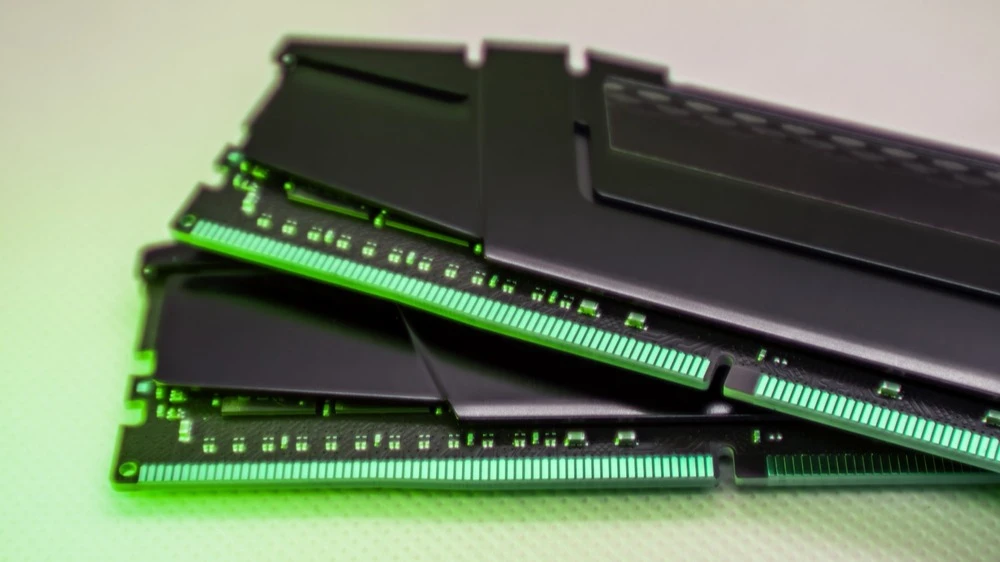
Memory chip prices rose 40-50% in the last quarter of 2025 and will rise at the same rate in the current quarter, Counterpoint Research expects / Photo: Kathrine Andi / Shutterstock
Shares of Powerchip Semiconductor Manufacturing, one of Taiwan's largest Taiwanese companies that makes both conventional and memory chips, rose nearly 10 percent on Monday, Jan. 19, after U.S. chipmaker Micron Technology announced it would acquire a large chip foundry in Taiwan from Powerchip.
Details
Micron announced the signing of a letter of intent to acquire Powerchip's P5 chip manufacturing facility in Tongluo, Taiwan, for $1.8 billion in cash on Saturday, January 17. The deal is expected to help the company ramp up production of DRAM RAM chips starting in the second half of 2027, Micron noted in a statement. The deal is expected to close in the second quarter of 2026, subject to receipt of necessary regulatory approvals, the release said.
Powerchip noted that Micron will establish a long-term partnership with the company as a DRAM chip maker, and will also help the Taiwanese company "in improving specialized process technologies for DRAM production."
Research firm TrendForce observed that Micron's acquisition of Powerchip's Tongluo plant will create opportunities to boost global DRAM shipments in 2027, Reuters writes.
Context
Micron shares are up 27% since the start of 2026 and have more than tripled in the past 12 months, Barron's notes. Along with Samsung and SK Hynix, Micron is one of the largest suppliers of high-bandwidth memory (HBM) chips needed for artificial intelligence technologies, Reuters adds. Micron is also the market leader in dynamic random access memory (DRAM), which is used in servers, desktop computers, solid-state drives (SSDs) and is needed to make smartphone flash memory. Against the backdrop of the increased needs of the AI market in the last quarter of 2025, prices for memory chips increased by 40-50%, according to data from research firm Counterpoint Research, writes Barron's. In the current quarter, experts believe, prices for these chips will grow at a similar rate.
Against this backdrop, the publication points out, there are fears of oversupply in the market: SK Hynix, for example, on January 13 announced an investment of $13 billion to build a memory chip packaging plant in South Korea, while Micron on January 16 began construction of a $100 billion chip manufacturing complex in New York State. This year, however, concerns about oversupply are likely to be irrelevant, Barron's notes: in late October 2025, SK Hynix said it had already sold out of inventory for all of 2026. And Micron vice president Manish Bhatia said in an interview with Bloomberg on Jan. 19 that he estimates the shortage of memory chips on the market is already so "unprecedented" that smartphone and PC makers are "lining up" to secure supplies of their products beyond 2026. Even greater demand for these chips will be created by unmanned cars and humanoid robots, he noted.
"With production capacity remaining constrained, the memory market supercycle is expected to continue through 2026," TrendForce analysts wrote in a recent research note (quoted in Barron's).
"This market has already become a seller's market," they added, "with manufacturers continuing to raise contract prices, control capacity expansions, and maintain high price levels.
This article was AI-translated and verified by a human editor