Morgan Stanley believes that gold will continue to rise in price. What can stop this rally?
Gold is already up more than 50% since the beginning of the year

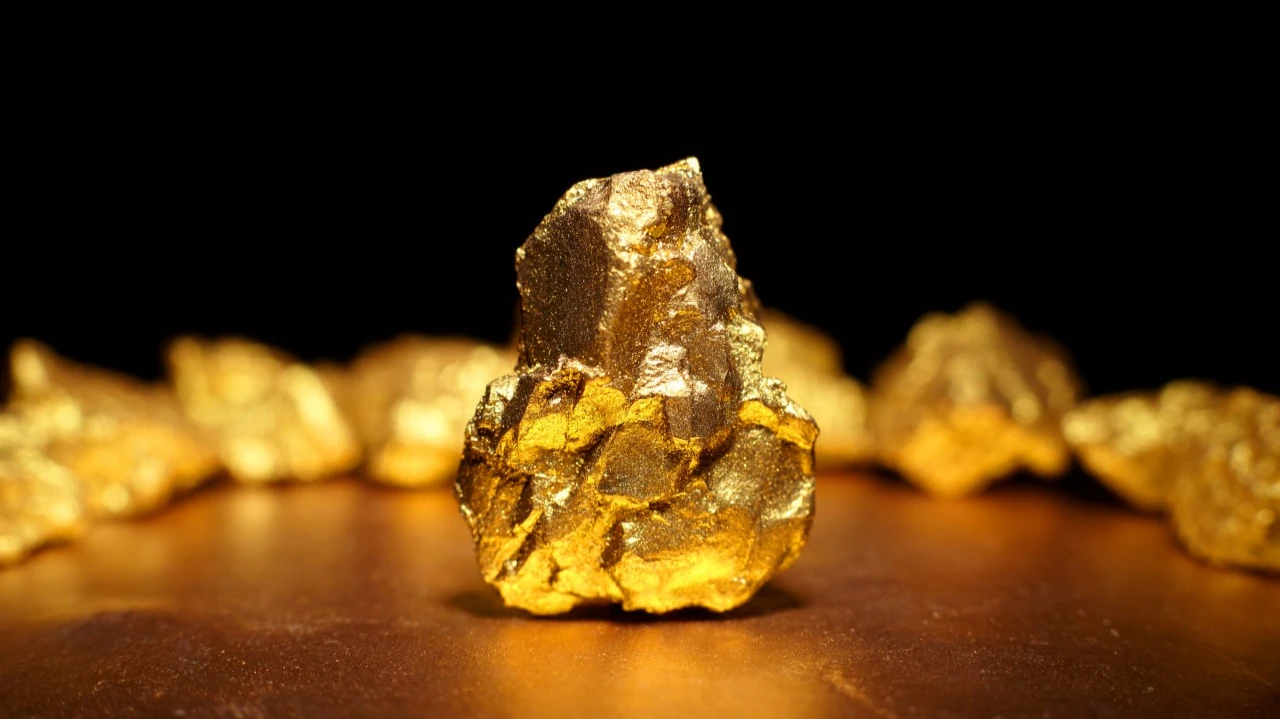
Morgan Stanley predicts that the value of gold will continue to rise after the recent pullback from record levels. The bank's new forecast suggests that gold will add another 10% by the end of next year. At the same time, analysts warn that the strengthening of the U.S. currency and weakening demand from jewelers may hold back the rally.
Details
Morgan Stanley estimates that gold, the value of which has already risen by about 55% this year, will continue to rise in price. The bank raised its forecast for 2026 from $3313 to $4400 per ounce, which implies an additional growth of the metal by about 10% from the levels of early October.
"Investors view gold not only as a defense against inflation, but also as a barometer for assessing central bank actions and geopolitical risks. We expect further increase in gold prices, which will be supported by a weaker dollar, active ETF purchases, continued purchases by central banks and a high level of uncertainty that supports demand for this protective asset," - said Morgan Stanley commodities strategist in the metals and mining sector Amy Gower.
What could derail the rally?
Despite optimistic forecasts, the rally in the gold market may face obstacles, warns Morgan Stanley. If the U.S. dollar remains stronger than expected or the Fed keeps interest rates at the current level, the momentum of gold price rise may slow down, analysts believe.
"There is also a risk of reduced demand due to prices being too high. For example, as the cost of gold rises, central banks will need to buy less of it to reach their reserve targets," notes Amy Gower.
Another possible restraining factor could be a decline in demand from the jewelry market, which accounts for about 40% of global gold consumption.
"Jewelry demand is already showing signs of weakening. In the second quarter, it was the lowest since the third quarter of 2020 as consumers respond to high prices," Gower adds.
What's going on with gold prices?
The cost of gold on October 10 exceeded $4000 per ounce for the first time and continued to grow. By October 20, it almost reached $4360, but over the next two days it collapsed by about 6%, showing the strongest decline in 12 years.
The drop coincided with a major outflow from gold-backed ETFs - on Oct. 22, their combined holdings fell the most sharply in five months, Bloomberg notes. Investors were assessing the likelihood that a trade agreement between the U.S. and China could reduce geopolitical tensions, which in recent weeks have supported demand for protective assets.
"After excessive rally gold behaves like a rubber band, stretched too much and now sharply springs back. Fixation of prices above the level of $4000 speaks more about technical correction than about fundamental reversal: demand for protective assets and interest in "anti-devaluation" strategy remain", - explained analyst of brokerage company Vantage Global Prime Hebe Chen.
In trading on October 23, gold returned to the upside, adding about 2%.
This article was AI-translated and verified by a human editor