Morningstar's seven key market indicators: what investors should watch for

Morningstar strategist Amy Hernot has compiled a list of seven market indicators that investors should keep an eye on. Predicting macroeconomic indicators is almost pointless: It's almost impossible to predict the direction of interest rates, economic growth, exchange rates or inflation, much less understand how it will affect investments, Ernot said.
But it can be helpful to look at the big picture and evaluate key metrics to understand where markets are in the cycle and where potential risks lie, the Morningstar strategist said. Right now, for example, six of the seven indicators are holding high relative to their historical averages, which means caution is warranted, she cautioned.
What indicators are we talking about?
Gold
According to Ernot's assessment, gold prices are at a very high level today. Over the past twenty years, this asset has become the most profitable, and just from the beginning of 2025 to the end of August, its price has risen by more than 31%. Ernot notes that the rise is due to purchases by central banks looking to diversify reserves away from the dollar, and increased demand from investors seeking a safe haven amid geopolitical and economic instability. Nevertheless, she warns that a high price raises risks. History shows that after periods of record highs, as in 1980 or 2011, gold has stagnated for long periods of time. That's why Ernot thinks it's wise to limit the proportion of gold in a portfolio to 5% or less.
Fed interest rate
Even after the September cut, the federal funds rate remains relatively high, says a Morningstar strategist. The midpoint of the range is now around 4.15%: that's noticeably higher than the lows of 2011, when the zero-rate policy was just gaining momentum. Ernot emphasizes that today's yields on short-term instruments are above the rate of inflation, and that makes bonds and the money market more attractive compared to past years when yields were near zero.
Stock market
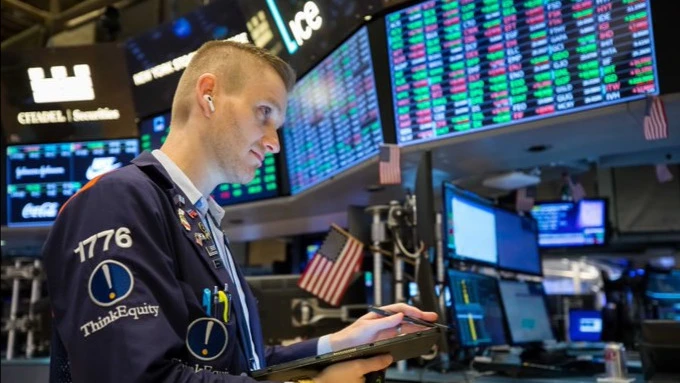
The U.S. stock market, according to Ernot, looks expensive. The price-to-earnings ratio (P/E ratio) of the Morningstar US Market index exceeds 28 and is near the upper end of the range of the past twenty years. While corporate earnings support high valuations, investors should keep in mind that room for further multiples to rise is nearly exhausted, warned a Morningstar strategist. She believes investors should focus on more attractive segments - small cap, as well as the energy, healthcare and real estate sectors. In addition, international equity markets remain relatively cheap, strengthening the case for global diversification.
Oil
As for Brent crude oil prices, Ernot points out that they are at a relatively low level. After dramatic fluctuations over the past two decades, prices have generally been on a downward trend in recent years. Weak demand in China and the shift to renewables are having an impact, with geopolitical conflicts only adding to the uncertainty. Ernot believes that a small stake in a diversified commodity fund with a share of energy could be a useful element of inflation protection.
Bitcoin
Bitcoin, according to Ernot, is also trading very expensive today: it is close to an all-time high of around $123,000. Over the past ten years, it has become the most profitable asset, but its high volatility makes investments extremely risky. Ernot recalls repeated collapses of 70-80% and emphasizes that since bitcoin has no fundamental cash flows, its fair value is impossible to determine. For new investors, it is especially important now not to get caught up in the "lost profit frenzy."
Dollar
The dollar, according to Morningstar strategist, although weakened 7% since the beginning of the year, is still relatively strong. The Nominal Broad U.S. Currency Index at 119.83 is near the upper end of its twenty-year range. Ernot notes that the process of dedollarization by global central banks and the high U.S. government debt of 119% of GDP may gradually weaken the position of the U.S. currency. In this situation, she considers it necessary to have assets denominated in other currencies in the portfolio and emphasizes the importance of international exposure without hedging currency risks.
Housing prices
Finally, Hernot draws attention to record levels of house prices in real terms. The figure has almost doubled since the early 2010s and is now close to an all-time high. For retirees, this presents opportunities - they can use the capital they have accumulated by selling their homes or taking out secured loans to finance their old age expenses. However, for younger buyers, high prices are becoming a serious barrier: many are forced to either rent for longer or buy smaller and lower quality properties.
This article was AI-translated and verified by a human editor