Musk's claims made 'hair stand on end': Altman took the stand in the lawsuit against OpenAI
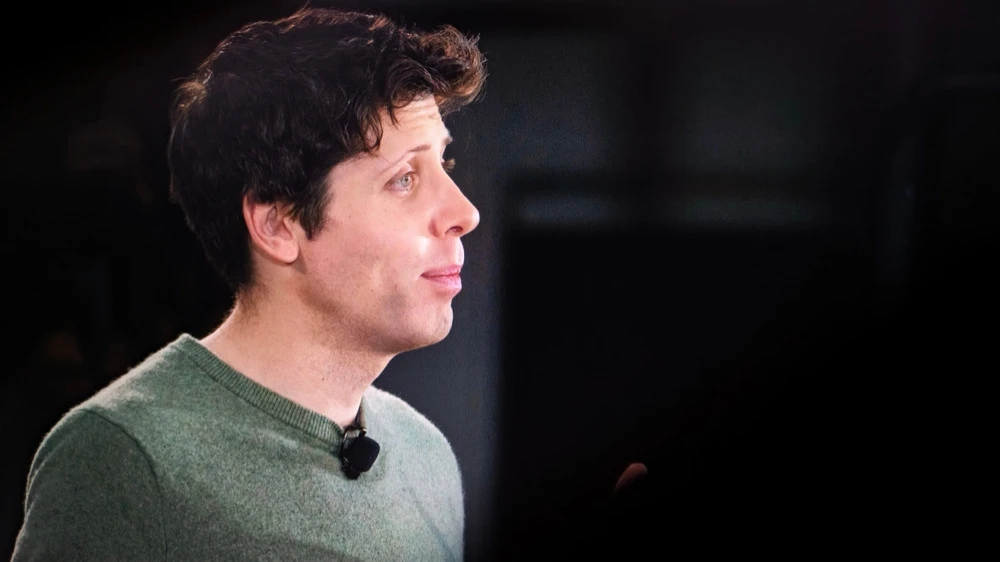
Sam Altman argues that Elon Musk was not opposed to moving OpenAI from a non-profit to a for-profit organization, but wanted to run it himself / Photo: FotoField / Shutterstock.com
OpenAI CEO Sam Altman said that Elon Musk, another co-founder of the AI company, repeatedly made demands for control over the company "that made my hair stand on end." Altman said this on Tuesday, May 12, during the trial of Musk's lawsuit against OpenAI and Microsoft, the Financial Times reported. The businessman's speech was one of the most anticipated moments of the trial, which is now in its third week.
According to the head of the ChatGPT developer, he feared that after their conflict with his former boyfriend over the startup's future, the world's richest man would want "revenge." OpenAI claims Musk didn't mind turning the startup into a for-profit company as long as he himself expected to gain control of it, and the current claims that it has strayed from its nonprofit mission are part of his long-standing revenge.
The billionaire is suing OpenAI and Altman for breach of charitable duty and unjust enrichment, claiming the AI giant manipulated him into donating tens of millions of dollars when the organization was still a nonprofit. Musk is seeking to overturn OpenAI's conversion to a for-profit entity, Altman's resignation, and is also seeking more than $100 billion in compensation.
The focus of Tuesday's jury deliberations centered on the battle for control of the company between Musk and Altman. OpenAI's CEO said Musk continually tried to gain control of OpenAI from the company's founding in 2015 until he left the board in 2018. According to Altman, at one point Musk demanded 90% of OpenAI's equity. Later in the negotiations, he lowered his demands but continued to insist on a controlling stake. Among the options discussed at the time was the merger of OpenAI with Tesla.
Altman described "one particularly creepy moment that made my hair stand on end": when the other OpenAI co-founders asked Musk, "What happens if you die?" The man replied, "I haven't thought about it that much, but maybe control would pass to my children," the startup CEO recounted in court.
"Elon has decided that he will only work with companies that he fully controls," Altman said. - I was extremely uncomfortable with that. One of the reasons we created OpenAI was that we didn't think it was right for AGI (superintelligence - Oninvest) to be under the control of one person, no matter how good his intentions were." While Musk said he was willing to loosen his control over time, "he didn't want to make a written commitment to relinquish long-term control," Altman added.
The AI startup's co-founder Ilya Sutzkever also said in court on Monday that Musk sought control of OpenAI because he believed his other companies suffered after his influence waned.
In his testimony last week, Musk claimed that since he was the one providing a substantial portion of the capital, he initially wanted a controlling stake and sole decision-making power. Over time, as new investors came on board, Musk's stake in OpenAI, he said, should have declined and ceased to be controlling.
This article was AI-translated and verified by a human editor