Nine major pharma companies have made deals with Trump to lower drug prices
Companies will get a three-year reprieve from pharmaceutical duties, provided they invest in manufacturing within the U.S.

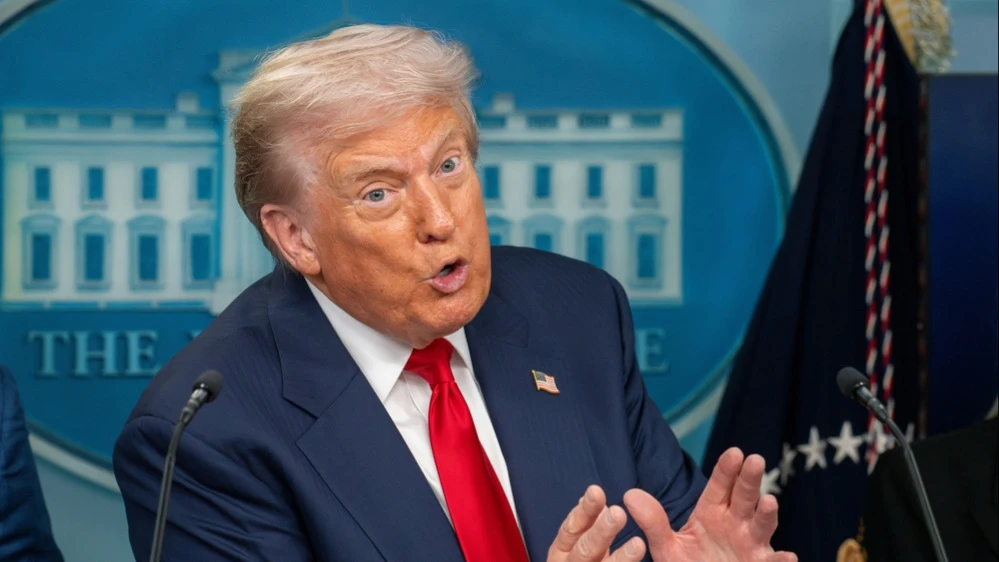
Nine major pharmaceutical companies have joined the agreement with US President Donald Trump and agreed to voluntarily reduce the prices of their drugs on the US market. All nine are among the 17 companies that received a demand from Trump in the summer. Now more than half of the pharmaceutical giants on the list have agreed to the conditions of the US President in order not to be subject to future targeted duties on medicines, states CNBC.
Details
Among the participants of the deal, who signed an agreement with the White House on December 19 to reduce prices for medicines - pharmaceutical giants Merck, Bristol Myers Squibb, Amgen, Gilead, GSK, Sanofi, Genentech (a subsidiary of Roche), Boehringer Ingelheim and Novartis. In exchange, the companies received a three-year reprieve from pharmaceutical duties, provided they invest in manufacturing in the U.S., CNBC noted.
Earlier, Trump announced agreements with five other companies: Eli Lilly, Novo Nordisk, Pfizer, AstraZeneca and EMD Serono. In exchange for patient discounts, the companies received rate waivers and other preferences, including expedited review of new drugs.
"To date, 14 of the 17 major pharmaceutical companies have agreed to drastically lower drug prices for American citizens and patients," Trump said Friday (quoted by CNBC). - This is the biggest victory in the history of American health care in terms of affordability of care. Every American will benefit."
Trump sent letters to 17 CEOs of major pharmaceutical companies in July demanding price cuts. Johnson & Johnson, AbbVie and Regeneron remain among the largest companies that have yet to sign on. However, Trump noted that Johnson & Johnson will "arrive next week."
What commitments are made by pharmaceutical companies
Under the agreements, the nine companies pledged to take steps to lower prices, including: selling existing drugs to Medicaid patients at "most-favored-nation" prices, and the pharma giants also guaranteed that new drugs would also be available at those prices. In addition, they will all be required to list their most popular drugs on TrumpRx's new direct sales platform, which is scheduled to launch in January.
Some companies also announced new DTC programs (direct-to-consumer). For example, Gilead said it would launch a program to sell the hepatitis C drug Epclusa at a discounted price. Sanofi announced that it will offer discounts of up to 70% on a range of infections, cardiovascular and diabetes drugs on TrumpRx and other direct sales platforms.
Context
According to a 2024 RAND Corporation study cited by CNBC, prescription drug prices in the U.S. are, on average, nearly three times higher than overseas. For brand-name drugs, it is more than four times.
The US remains the key market for most drug manufacturers, regardless of their jurisdiction, the channel notes. According to data for this year, half of the 10 largest pharmaceutical companies in Europe receive more than 50% of their revenue in the US.
This article was AI-translated and verified by a human editor