Nvidia invests up to $3.2 billion in fiber optics and iPhone glass maker. Why.
Nvidia is on the hunt for new technology to interconnect chips in AI racks

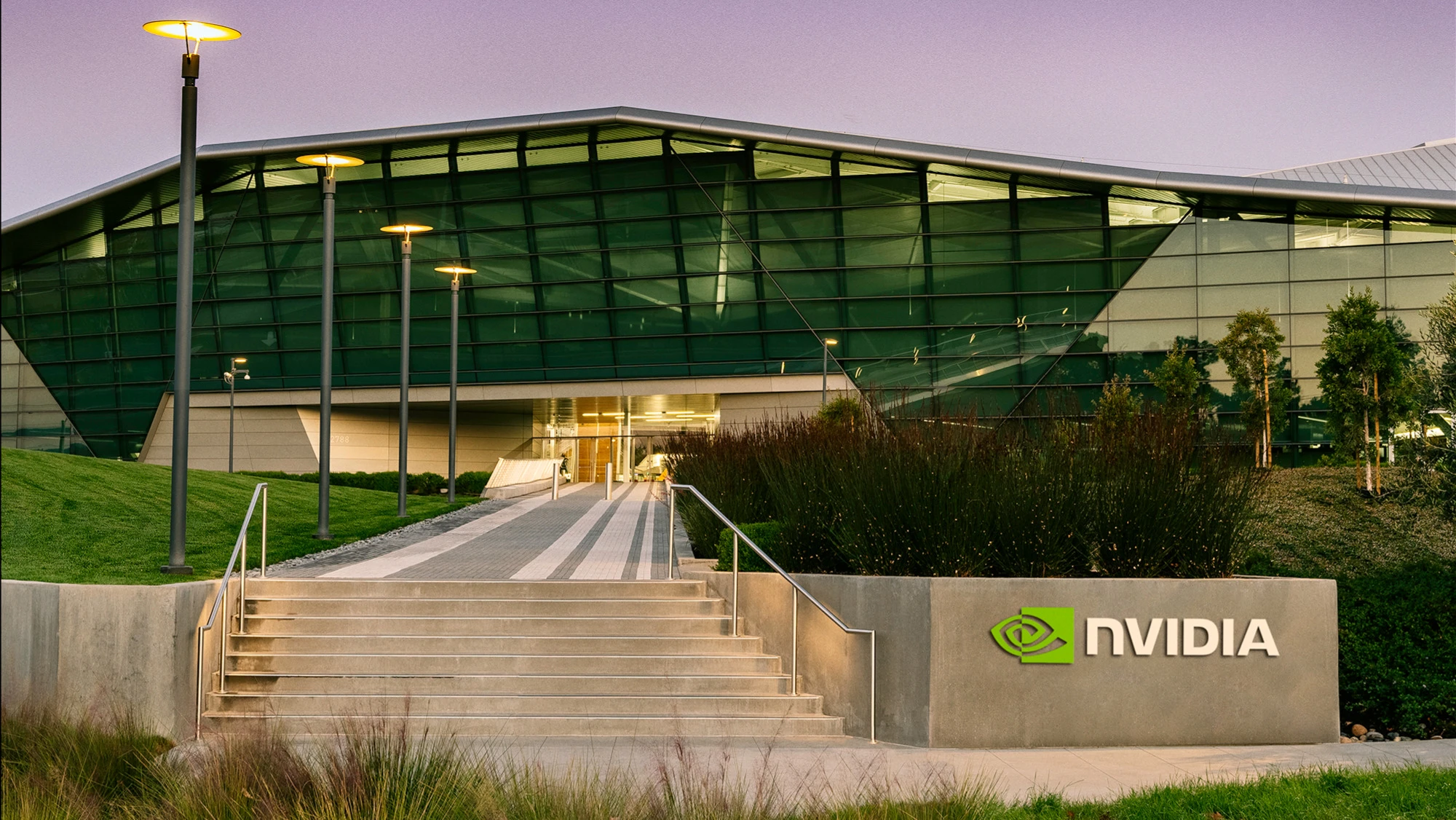
Nvidia aims to move from copper wire data transfer between processors to fiber optic technology / Photo: Nvidia
Nvidia, the largest developer of chips for artificial intelligence, has announced a partnership with 176-year-old fiber optic manufacturer and iPhone glass supplier Corning. Together, they plan to launch three advanced manufacturing sites that will focus entirely on optical technology for Nvidia's needs. The IT giant also received rights to Corning shares totaling $500 million and will be able to buy up to $2.7 billion more securities.
Details
Nvidia has received a prepaid warrant (the right to buy shares of the company's stock at a predetermined price) to purchase up to 3 million shares of Corning common stock for a total of $500 million, according to the glass maker's disclosure on the U.S. Securities and Exchange Commission (SEC) website.
In addition, Nvidia received warrants to purchase up to 15 million more shares of Corning common stock with an exercise price of $180 per share. That's up from the closing price of $162 on Ma. 5, but down from its current value: on Wednesday, Ma. 6, Corning stock was up more than 13% at more than $184. And at the peak, the stock was up 21%, showing the biggest intraday growth since 2002, Bloomberg notes.
As reported by Nvidia, Corning, as part of the partnership, will tenfold increase the capacity for the production of optical communication solutions in the United States, building three new production sites. Financial terms of the deal the companies did not disclose, notes CNBC. The partners also did not say what exactly will be developed and produced at the plants in the United States.
Why would Nvidia
Nvidia may be preparing to replace copper with Corning fiber optics in its AI systems, according to CNBC. Such technology is called co-packaged optics, the channel explained. At the GTC conference in 2025, Nvidia CEO Jensen Huang called this technology critical to building AI infrastructure, CNBC notes. Analysts have long awaited Nvidia's large-scale adoption of it, as it promises to dramatically increase data transfer speeds and reduce power consumption during AI workloads, the channel claims.
In March, Nvidia invested $4 billion in two companies, Coherent and Lumentum, that develop lasers and components that help convert data between light and electrical signals, after which it can be transmitted over Corning's fiber-optic cables.
"As power consumption becomes a bigger issue, fiber optics will inevitably come closer and closer to computing," Corning CEO Wendell Weeks told CNBC in January. According to the top executive, when the number of graphics processing units (GPUs) in a server increases to hundreds, "distances increase, and [...] fiber becomes much more cost-effective and much more energy-efficient."
What Corning is known for and its technology
As of the close of trading on Tuesday, Ma. 5, Corning's stock was up more than 250% over the past 12 months, thanks to the 176-year-old company's rapid turnaround into the new economy. Corning is best known as a maker of glass, which is used in iPhones, among other things. But optical communications remains its largest and fastest-growing business: the company has been one of the most unexpected beneficiaries from the development of AI technology, Barron's wrote. Since it invented fiber optics for long-distance communications in 1970, Corning has supplied millions of miles of cables to connect racks in the AI datacenters of all the major players, CNBC wrote.
In January, Meta announced it would spend up to $6 billion as a key client to help Corning expand its optical cable plant in North Carolina.
This article was AI-translated and verified by a human editor