Oil - $100, major U.S. indices lose 1% after Iran's new head of state speaks
Iran's "strategy to create economic chaos in the Persian Gulf seems to be working," analyst says

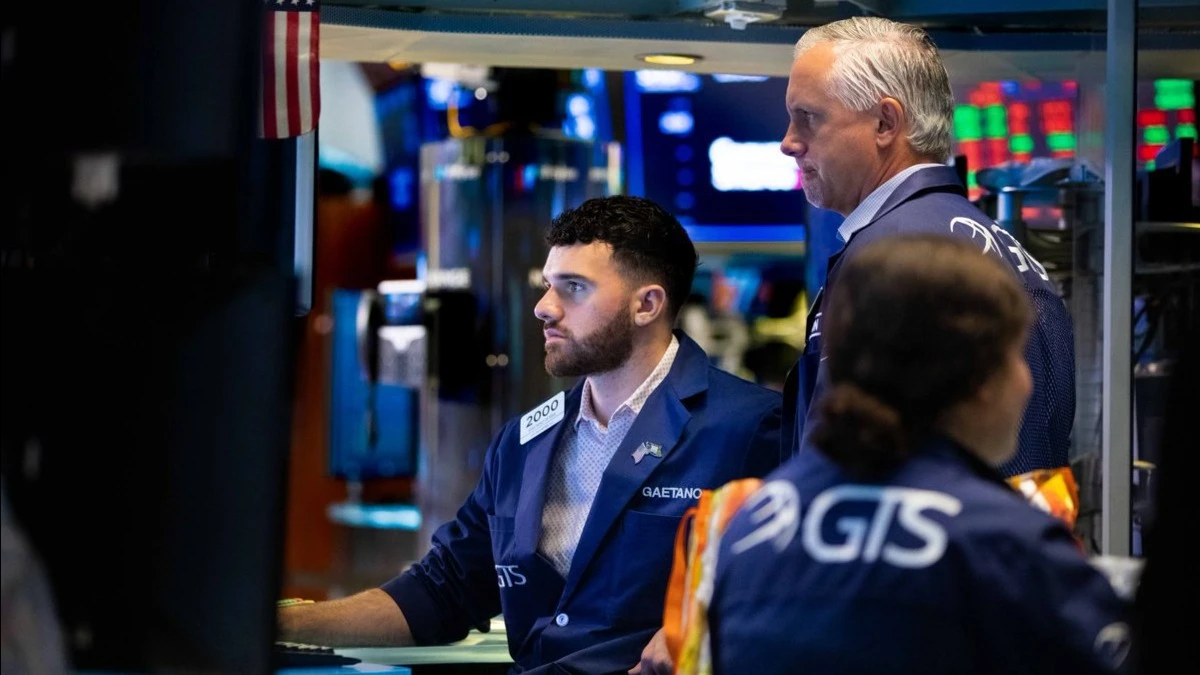
Photo: X / NYSE
In the first minutes of the U.S. trading session on March 12 - amid a speech by Iran's new supreme leader Mojtaba Khamenei, who said the Strait of Hormuz - one of the key route points for about 25% of the world's offshore oil supplies - should remain closed, major stock indexes in the United States fell more than 1% each.
In particular, the broad index of American stocks S&P 500 lost 1%, technological Nasdaq Composite - 1.15%, the index of "blue chips" Dow Jones - 1.1%. An hour after the opening of trading, almost all of them at first slightly reduced losses, but then went back into the red zone: the S&P 500 loses 1.3%, Nasdaq Composite - 1.6%, Dow Jones declines by 1.3%.
Brent crude oil, meanwhile, broke through the $100 per barrel mark for the second time during the March 12 session - trading at $100.32 - up more than 9% from its March 11 closing level, at an intraday high of just over $101 on Thursday. WTI futures for delivery in April rose to $95.7 a barrel, up nearly 10%.
"Iran's strategy to create economic chaos in the Persian Gulf is working: tankers are being attacked and the Strait of Hormuz remains closed, pushing the price of Brent crude to the $100 a barrel mark," noted Adam Crisafulli of Vital Knowledge (quoted by CNBC).
Markets are reacting to the ongoing escalation of the US-Israel-Iran conflict in the Middle East. In his first speech since becoming Iran's supreme leader, Mojtaba Khamenei made clear on March 12 that Tehran has no intention of backing down: the Strait of Hormuz must remain closed as "an instrument of pressure on the enemy", he said in a televised address. A prolonged blockage of shipping along this route could cause oil prices to spike to nearly $150 a barrel, Goldman Sachs analysts warned.
This article was AI-translated and verified by a human editor