Oil prices rise to six-month high: Trump gave Iran 10 days
Brent was up 2% after rising 4% a day earlier

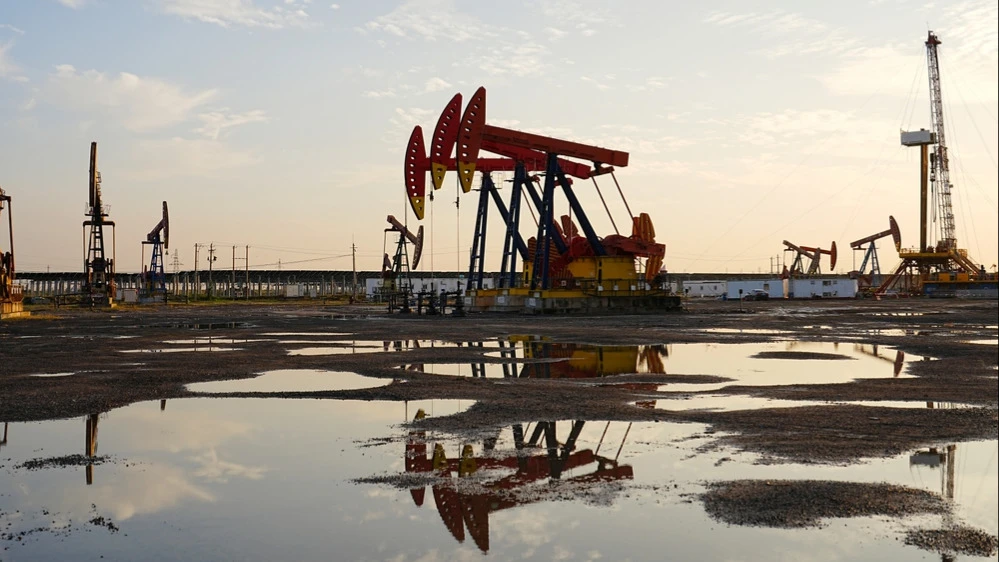
Oil prices were supported by geopolitical tensions / Photo: QiuJu Song / Shutterstock.com
The cost of oil futures added about 2% in trading on February 19 - after rising more than 4% the day before - and reached the highest level in the last six months. Traders are concerned about growing tensions between the U.S. and Iran. The U.S. navy has increased activity in the Middle East. US President Donald Trump said he would decide on possible military action against Iran within the next 10 days, CNBC reported.
Details
The price of Brent futures was up 2.4% to $72 per barrel on Thursday. US crude West Texas Intermediate (WTI) was up 2.6% to $66.88 per barrel.
After rising more than 4% on Wednesday, Brent may end trading at its highest level since July 31, while WTI may post its highest closing level since August 1, Reuters notes. WTI has added 6% since the start of the week and 16% since the beginning of the year.
Prices were supported by "geopolitical tensions and fears that the U.S. may strike (Iran) soon," Andrew Lipow, president of Lipow Oil Associates, told Reuters. "The market will continue to rise in anticipation that something will happen," he said.
What affects the quotes
US President Donald Trump said he will decide on possible military strikes against Iran within the next 10 days. Trump said this at the first meeting of the "Peace Council" he created. "We may or may not have to go further," CNBC quoted Trump as saying. - Maybe we'll make a deal. You'll find out probably within the next 10 days."
U.S. special envoys Steve Whitkoff and Jared Kushner met with Iran's envoys on its nuclear program in Geneva this week. But Vice President J.D. Vance said afterward that Iran had not touched the "red lines" outlined by Trump during the talks. In parallel with the talks, the US is building up its military presence in the Middle East. The aircraft carrier USS Abraham Lincoln is already in the region, and a second, the USS Gerald Ford, is on its way to the area. Iran is also openly rushing to prepare for a possible war, The Wall Street Journal wrote.
White House press secretary Carolyn Leavitt said Wednesday that there are "many reasons and arguments that can be made in favor of a strike on Iran," CNBC writes. She said there has been some progress in the Geneva talks, but Iran and the U.S. "remain very far apart on a number of issues."
Iran's Islamic Revolutionary Guard Corps this week conducted military exercises in the Strait of Hormuz, a key bottleneck in the global oil trade. Oil market participants fear that a war between the U.S. and Iran could disrupt oil supplies through the strait.
What else affects prices
Demand in the U.S. is influenced by the reduction of oil reserves. They decreased by 9 million barrels on the background of increased refinery utilization and exports, writes Reuters. This is contrary to the expectations of analysts surveyed by the agency, who predicted an increase in stocks by 2.1 million barrels for the week ended February 13. Gasoline and distillate stocks also fell last week due to stronger consumer demand.
Data from the Joint Organizations Data Initiative showed that oil exports from Saudi Arabia (the largest supplier of hydrocarbons) fell to 6.988 million bpd, the lowest level since September. Earlier this month, Reuters reported that OPEC countries and their allies were leaning toward increasing production since April.
This article was AI-translated and verified by a human editor