"One call will turn everything 180 degrees": what the oil market thinks about US sanctions
For the first time in his second term, Trump targeted Russia's biggest oil producers with sanctions

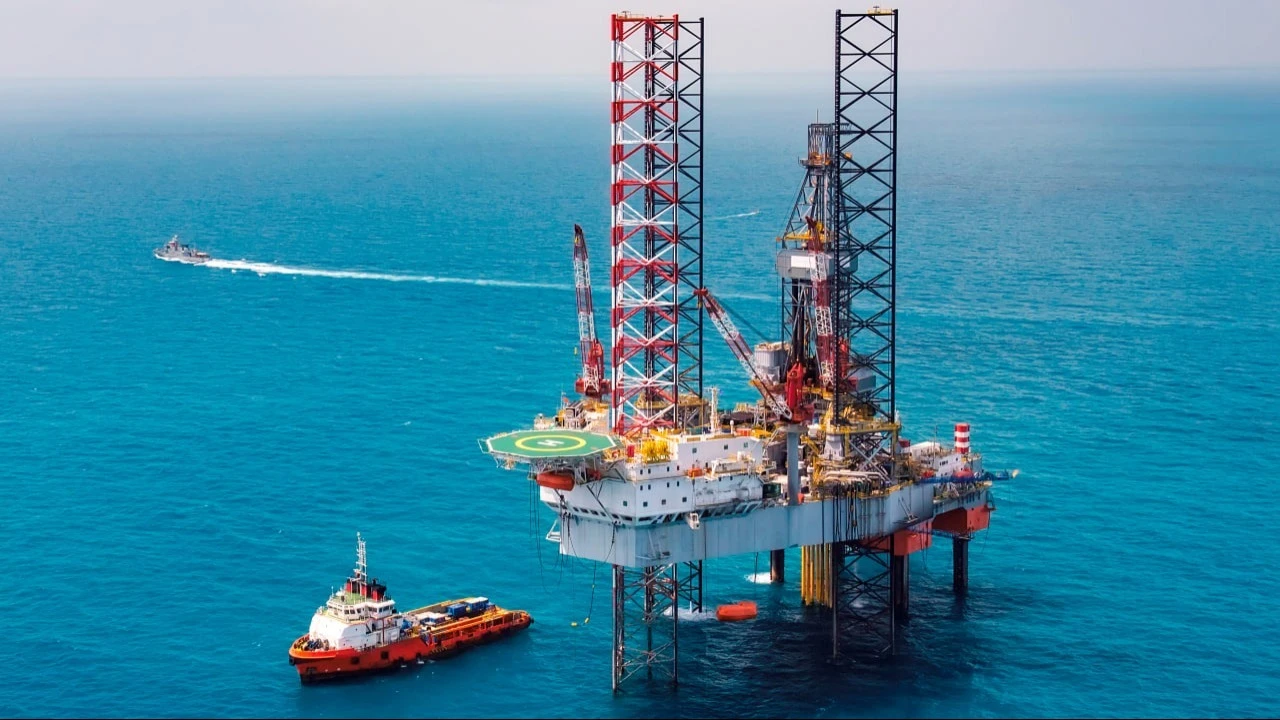
Oil prices jumped more than 5% on October 23 after the US announced sanctions against two major Russian oil companies, Rosneft and Lukoil. These are the first sanctions against Russian oil imposed by Donald Trump since the start of his second presidential term. Against this backdrop, Chinese state-owned companies have suspended purchases of Russian oil, while Indian refineries have decided to drastically cut them, Reuters sources said. What do analysts think about the possible consequences of the new restrictions and the prospects for oil prices?
- The main question is whether the sanctions will be able to force buyers of Russian oil to stop buying, notes ING strategist Warren Patterson. Sanctions against companies producing more than 5 million barrels a day are significant, but similar measures imposed by Joe Biden's administration in January had minimal impact on exports. At the same time, the new U.S. policy increases the risk of further sanctions if negotiations on Russia and Ukraine do not progress, the strategist said.
- UBS warned of short-term volatility in the market, but considers it unlikely that prices will continue to rise due to oversupply. According to analyst Giovanni Staunovo's forecast, Brent will trade in the range of $60-70 per barrel, and OPEC+ will be able to adjust its production cuts if necessary.
- Muyu Xu, senior analyst for crude oil markets at Kpler, a research firm, said Trump's sanctions could lead to a significant drop in Russian offshore oil supplies, forcing large buyers to reduce purchases or suspend them for a short period of time.
- The new measures are an unprecedented escalation of pressure on Moscow, emphasizes Jorge Leon, head of geopolitical analysis at Rystad Energy. Combined with attacks on the oil industry's infrastructure, they increase the risk of serious disruptions to production and exports. However, analysts remain skeptical about the long-term effect of the sanctions. According to Leon's colleague from Rystad Energy, Claudio Galimerti, over the past 3.5 years, the sanctions have had almost no impact on Russia's production volumes and oil revenues.
- Vanda Insights founder Vandana Hari also wonders how sustainable the new sanctions will be. "One phone call between Trump and Putin could turn the situation 180 degrees," she emphasized (quoted by CNBC).
Context
The United States announced sanctions against Russia's largest oil companies on October 22. The Treasury Department blacklisted Rosneft and Lukoil and their subsidiaries. The statement said that the decision was due to Russia's "lack of serious commitment to the peace process aimed at ending the war in Ukraine".
This article was AI-translated and verified by a human editor