Oracle shares fall on reports of a threat to derail a $10 billion data center project
The company denies any problems and says negotiations for construction of the massive project in Michigan are on schedule


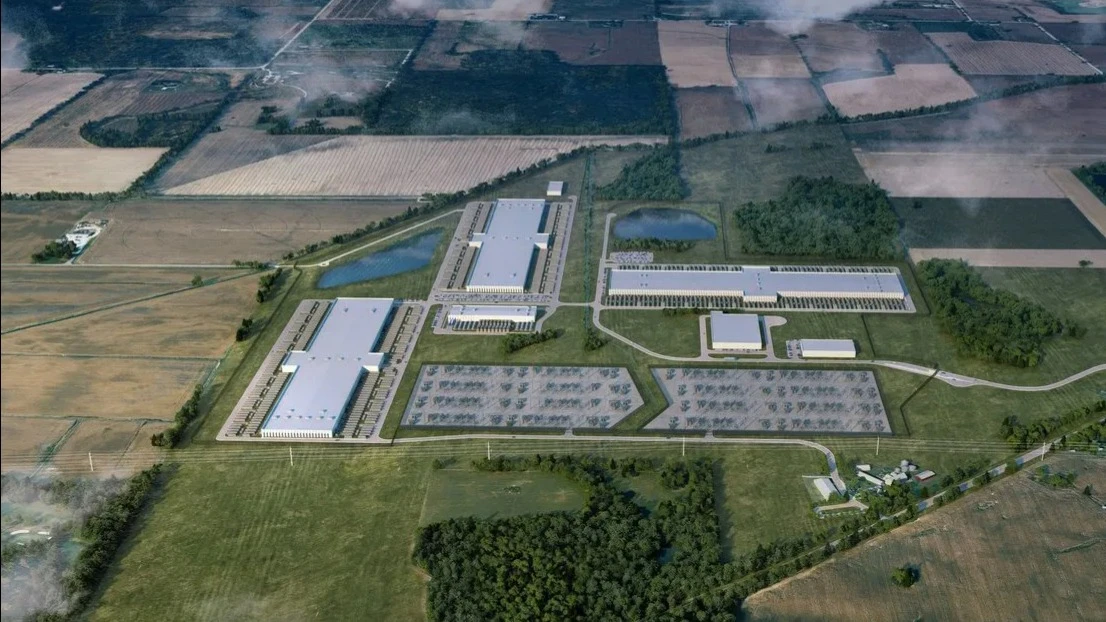
Oracle shares lost more than 5% in early trading on December 17. This is how the market reacted to the Financial Times publication that Oracle's $10 billion data center project in Michigan is "in limbo" after negotiations on financing with Blue Owl stalled.
Although Oracle itself announced shortly after these reports surfaced that negotiations on a shareholder deal for the Michigan center project were "on track" and did not include Blue Owl, shares of the cloud service owner and database software developer continued to fall.
Details
Blue Owl Capital is Oracle's largest data center partner. The company decided not to back Oracle's deal to build a new $10 billion facility because of "mounting concerns about the software developer's growing debt and artificial intelligence costs," the Financial Times reported Dec. 17, citing three sources.
The project in question is Oracle's 1 gigawatt data center in Michigan, which Oracle had planned to build to serve the needs of OpenAI, the developer of the ChatGPT chatbot. Blue Owl was in talks with lenders and Oracle about investing in the project, but, according to the FT's sources, the talks have stalled. This puts the entire financing of the project in doubt, as Oracle has not yet signed an agreement with a new investor, according to the newspaper's interlocutors. According to their information, Blackstone was negotiating investment in the project, but it has not yet signed an agreement.
Oracle said negotiations on a shareholder deal for the Michigan data center project are "on track" and do not include Blue Owl Capital. Oracle's partner in developing the Michigan project, Related Digital, chose "the best investment partner, which in this case was not Blue Owl," Oracle said.
What it means for investors
The situation with Oracle and Blue Owl talks reflects the growing complexities in Oracle's strategy to expand its AI infrastructure, says the FT. Larry Ellison's company has been aggressively ramping up capex in data centers, including through borrowing, raising concerns among investors and rating agencies. Oracle's shares have fallen more than 40% since September, and investors have also started selling off the company's bonds.
At the end of November, Oracle's net debt reached $105 billion, compared to $78 billion a year earlier. According to Morgan Stanley's forecast, the debt could grow to $290 billion by 2028, the FT writes. In September, Oracle placed bonds for $18 billion, and is now discussing additional debt financing for $38 billion with several U.S. banks.
In addition, the context of the failed Oracle and Blue Owl deal is fueling debate about the extent of the AI market bubble, Bloomberg notes.
Context
Blue Owl has previously been a key investor in Oracle's largest data center projects in the US: it invested its own funds and raised billions in debt financing, the FT recalls. Typically, the company creates a separate legal entity (SPV), which owns the infrastructure and leases it to Oracle on a long-term basis. It is through such structures that Oracle ensures the supply of computing power to AI partners, including OpenAI, the publication says.
Blue Owl has played a key role in Oracle's projects in Texas and New Mexico. In particular, a $15 billion facility is under construction in Abilene, Texas, which will be OpenAI's first major data center in the U.S. - launching in mid-2027. It is largely owned by Blue Owl, which has invested about $3 billion of its own money and raised $10 billion from JPMorgan. Those funds will be paid back through a 15-year lease with Oracle. According to the source, Blue Owl's return on this project could be as high as 25%.
The company also struck a similar deal with Meta: in October, it raised $30 billion ($27.5 billion of which was debt) to build a Hyperion data center in Louisiana for parent company Facebook.
This article was AI-translated and verified by a human editor