Pfizer expects performance to fall due to lower sales of Covid vaccines. Shares fall

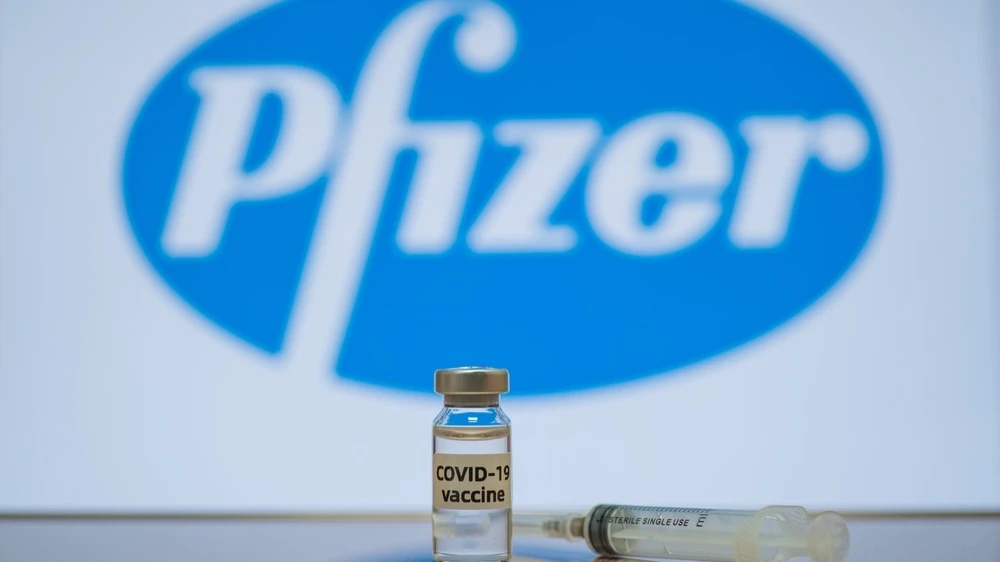
Pfizer expects revenue and profit to decline in 2026 due to weaker demand for vaccines and other products related to Covid-19. Analysts note that the company is trying to offset the pressure on its performance by cutting costs and increasing investments in research and development, but do not see any significant drivers for the stock's revaluation in the coming year.
Details
Pharmaceutical company Pfizer has forecast lower revenue and profits in 2026 amid weakening sales of Covid-19-related products. Barron's notes that this will put significant pressure on the company's results.
- According to the report, Pfizer is forecasting revenue from Covid-19-related products at $5 billion in 2026, versus an expected $6.5 billion in 2025.- Adjusted earnings per share at the same time, the company expects to be $2.8-$3. That's below analysts' consensus forecast; they expected to see that figure at $3.06, according to FactSet data cited by Barron's.
In trading on December 16, the securities of the pharmaceutical company fell by 4.3%. Since the beginning of 2025, they have fallen in price by 4.7%. From the highs of the pandemic period in December 2021, Pfizer securities have lost more than 50%.
What else Pfizer said in the report
- Pfizer expects total revenue to be in the range of $59.5 billion to $62.5 billion next year, compared with the $61.59 billion projected by analysts polled by Reuters. - Pfizer's forecast for adjusted earnings per share in 2025 remained unchanged - it is expected to be in the range of $3 to $3.15.
- The company also forecasts a $1.5 billion loss of revenue due to the loss of exclusive rights to a number of drugs, Barron's writes.
The circumstances forced the pharmaceutical manufacturer to start a large-scale cost-cutting program, Bloomberg notes. Pfizer expects to achieve savings of more than $7 billion by 2027.
But at the same time, the company intends to increase spending on research and development, with Pfizer setting aside $10.5-$11.5 billion for this purpose next year, up from $10-$11 billion in 2025. The increased spending is due to an expanded development portfolio - including clinical trials of an antibody licensed from Chinese company 3SBio, as well as programs received as part of the acquisition of US medical startup Metsera in November, the report said.
In November, Pfizer completed the acquisition of Metsera, the value of the deal amounted to up to $10 billion. As a result, Pfizer gained access to the fast-growing market of obesity drugs, having won the battle for the asset with the Danish pharmaceutical company Novo Nordisk. However, Metsera's drugs are still in the early stages of development, which means that it may take several years before they reach the market, Bloomberg notes.
What the analysts are saying
Against the backdrop of the Metsera deal, R&D investment for Pfizer is "a key factor in assessing the company's prospects in the coming year," BMO Capital Markets analyst Evan Saigerman wrote before issuing a new forecast. His opinion is published by Bloomberg. The company said it plans to reinvest $500 million of savings from its cost-cutting program into research and development.
On December 15, Bank of America analyst Jason Gerberry reiterated a neutral stance on the company's shares and reduced their target price from $29 to $28, Benzinga writes. His assessment implies the potential growth of the company's securities by 7.7%.
Bank of America believes that Pfizer will have few factors to significantly revise its stock valuation in 2026 as the company continues to go through a cycle of losing exclusive rights that is expected to last until 2029.
BofA analyst Jason Gerberry called 2026 a relatively "event-poor" year in terms of medical development data that could impact investor sentiment. The focus remains on MET-097 in the obesity treatment segment, new oncology developments and Prevnar-25, a next-generation pneumococcal vaccine. At the same time, the development of Pfizer's expanded pneumococcal line may become more strategically important, according to BofA.
According to the consensus, of the 26 analysts watching Pfizer shares, the majority - 15 - are neutral. 10 advise to buy the company's securities and only one advises to sell.
This article was AI-translated and verified by a human editor