Puma stock has lost 55% this year. Why don't analysts believe in their prospects?

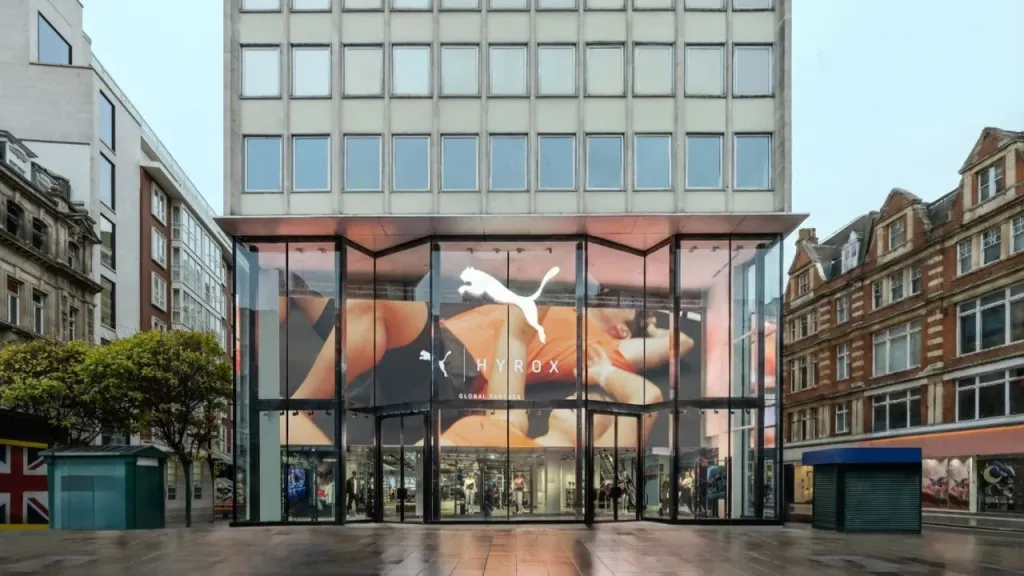
Quotes of Puma, a German manufacturer of sportswear and footwear with a capitalization of € 3 billion, collapsed since the beginning of the year by almost 55%. Shares may show the worst annual dynamics in history, even despite the increased enthusiasm of traders after recent reports about the possible sale of the brand. Quotes are unlikely to recover in the next 12 months, or perhaps never, analysts said. One reason is that Puma is finding it increasingly difficult to compete with rapidly growing rivals.
Details
Puma's shares have fallen almost 55% to €20.5 in German trading since the beginning of the year. This year could be the worst for the company's shares in its history, even despite the recent rally after information about the possible sale of the brand, Bloomberg notes.
Analysts do not expect the share price to recover in the next 12 months, if at all, the agency continues. The average target price for Puma securities is €23.99, MarketScreener shows. While it suggests a potential upside of 18.5% to the closing price on Dec. 2, it's nearly 46% lower than it was at the beginning of the year.
Puma stock has 14 "hold" ratings from analysts and only six "buy" ratings.
Why analysts don't believe in Puma
In addition to U.S.-imposed import duties and a general downturn in the sporting goods industry, Puma faces a number of specific challenges, Bloomberg writes. Among them is the onslaught of fast-growing competitors, such as sneaker and sportswear makers On Holding AG, New Balance and Hoka, which are taking up more space on retail store shelves.
"Puma never managed to bring something to market that would have set it apart from its competitors," Bloomberg quoted David Schwartz, an analyst at ratings agency Morningstar, as saying. - Other brands have come in and taken away a significant portion of its business."
In the third quarter, the brand's sales declined by 10.4% to approximately €1.96 billion (adjusted for exchange rate differences). The company attributed this to strategic business renewal initiatives.
In August, Puma CEO Arthur Hoyd, an "Adidas veteran," took over, promising to cut 900 jobs and focus on running, soccer and training products. By doing so, the company wants to return to revenue growth by 2027 and become one of the top three sports brands in the world.
Deutsche Bank analyst Adam Cochrane called Puma's "strategic plan not radical enough" to change investors' opinion of the stock in an investment note (Bloomberg quotes him as saying).
Puma is also facing the prospect of a takeover: in November, Bloomberg, citing sources, reported that the owner of the Fila and Jack Wolfskin brands, Chinese sportswear manufacturer Anta Sports Products, is considering buying the German brand. According to Bloomberg, there are other suitors for the company, including Chinese sportswear group Li Ning and Japanese ASICS. On this news, the quotes of Puma for the day soared by 19%.