Revolut has started checking old transfers by Russians. Why is this happening and what are the risks?

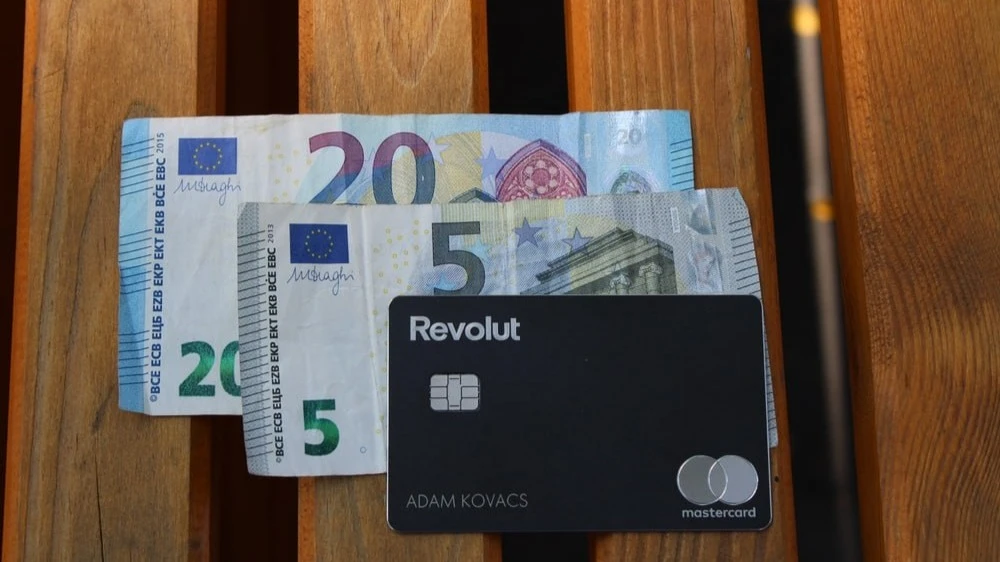
Even a small, less than €100, old transaction linked to Russia can threaten a client with account closure / Photo: Adam Kovacs / Shutterstock.com
Russians living in the EU have started to encounter checks on previously approved money transfers to Revolut from CIS countries to Europe. Often these are transactions made 1-2 years ago. Neobank tries to find out whether a third country bank was not a transit link between Russia and the EU, asks for confirmation of the source of origin of the funds and blocks the account if it sees the Russian origin of the money.
Revolut, a European neo-bank, has started auditing transactions of Russian clients from the end of 2025, asking them for additional information about old non-EU money transfers. In the cases studied by Oninvest, the pattern was the same: the neobank was interested in the source of origin of funds that were transferred to the client's account from CIS banks in early 2025 or even in 2024. If the bank discovered "retroactively" that the money was linked to Russia, it would first block and then close the account. A spokesperson for the Fintech & Banking EU Telegram channel, which tracks such cases, told Oninvest that the channel has received information and requests for "dozens of such cases" since December 2025. He claims that the focus of neobank's attention was on SWIFT transfers, card number transfers, and transactions made through Sberbank.
How does this happen? For example, in January 2026, Revolut requested additional information from a Russian woman with a French residence permit about a money transfer made a year and a half ago. Revolut was interested in the source of the funds.
According to the woman, in 2024, she tested a new cross-border transfer service from Sberbank, information about which appeared several years ago in telegram channels for emigrants. Russia's largest bank has been on the US and European sanctions list since 2022 and is disconnected from SWIFT. However, in its app it offered the option to transfer by card number directly to European banks. On Revolut's side, it looked like a transfer from a legal entity to an individual, according to screenshots of mobile banks reviewed by Oninvest. The calculation was that a small transfer - less than $100 - would not attract the bank's attention, the woman admitted. In 2024 Revolut really had no questions about this transaction, but in 2026 it closed the client's account because of it.
Prior to that, in August 2025, Revolut sent out a warning to clients that attempts to transfer funds from sub-sanctioned structures in Russia, directly or through third parties, are a violation of the sanctions regime. And if such cases are detected, clients' accounts and cards will be closed.
A user of the channel "Bonjour, France" in early 2026 described Revolut's demand to verify a €100 transfer from Ma to her daughter made last July from Kazakhstan.
In January 2026, a subscriber to the Trip Fare Area telegram channel, who lives in the EU, reported a letter from Revolut demanding to justify transfers to himself also from Kazakhstan in 2024. In this case, the bank asked to specify the country of original origin of funds, considering Kazakhstan as a transit link in the chain.
There are also earlier cases. For example, in the fall of 2025, Revolut requested additional information about a money transfer from a Russian woman with a French residence permit. This was a transfer to herself from a Kazakh bank card to Revolut's card, which Neobank accepted in June 2025. Revolut was interested in the source of these funds, as it assumed that the money had been withdrawn from Russia. In case of failure to provide documents, Revolut threatened the client with account closure. The Russian woman told Oninvest that she provided the bank with documents on her salary from her employer in Kazakhstan and the taxes paid on this income. The bank was convinced by this information and kept the account.
Oninvest sent a request to Revolut, by the time of publication the bank had not responded.
Why is this happening?
In the fall, the EU adopted the 19th package of sanctions against Russia, which banned interaction with Russia's national payment system Mir and the fast payment system, as well as the use of cryptocurrencies to circumvent sanctions.
And in December 2025, the European Commission announced plans to put Russia on a blacklist for money laundering and terrorist financing. In January, this decision came into force. Since then, Russians living in the EU have been complaining about the blocking of their cross-border transfers from countries outside the EU. First of all, from current or former CIS countries, as well as other jurisdictions of mass relocation of Russians.
Financial organizations, including neobanks and payment services that make payments in euros, are obliged to conduct enhanced checks on clients when opening accounts and their transactions from EU "blacklist" countries. In particular, they must identify the source of funds, beneficial owners and risks, says Ekaterina Popova, a partner at the ITSWM consulting company.
If dubious transactions are detected that can be classified as an attempt to circumvent sanctions, they must block the transaction and send a report to the competent authorities: financial intelligence units and the country's central bank. And without documentary evidence of a dubious transaction from the client, they have the right to terminate the service agreement and close the account altogether.
When servicing an account, according to ECDD (Enhanced Customer Due Diligence) requirements, at least one year's worth of transactions are reviewed, but the period can be longer, Popova continues.
Before 2024, banks in the EU often took a case-by-case approach and analyzed individual transactions in terms of the specific source of funds, the economic sense of the transfer and the status of the customer. But from 2024, the situation has changed, says Yulia Koroleva, a Paris-based lawyer, as regulators expect banks to proactively prevent risks rather than just increased scrutiny.
So financial institutions are increasingly moving from risk management to risk avoidance (so-called de-risking), preferring to deny transactions or terminate services if a customer has even an indirect link to Russia. This explains the growing number of cases of denial of salary or fee transfers from outside the EU, blocking of transactions through fintech services, and suspension of banking services on formal criteria, she adds.
As a rule, banks justify their decisions on the basis of their internal policy and are not obliged to disclose to the client the reasons for refusal. French law, in particular, gives banks freedom of action when it comes to preventing financial and sanctions risks, says Koroleva.
The lawyer points out that banking compliance is not tied to immigration law and is based solely on the assessment of risks for the financial institution. However, the possibilities of legal protection in such situations are limited: regulators can check the correctness of procedures, but have no right to oblige a bank to serve a particular client.
European banks have previously been forced to pay multi-million dollar fines for violating the sanctions regime. For example, in 2015, the United States completed a large-scale investigation into the activities of a number of European banks, accusing the latter of servicing financial transactions of organizations associated with Iran, Libya, Sudan, Myanmar and Syria. Deutsche Bank was fined $258 million, Credit Agricole $800 million, Unicredit and Societe Generale $1.3 billion each, and BNP Paribas $9 billion.
This article was AI-translated and verified by a human editor